
PacSet Field Guide to Jetlag: TG Japanorama Ep. 7
The sun sets and rises again for seven days, and voila, we’re back with another Field Guide to the spots in Japan featured on Jetlag: The Game: Japanorama. We want to make MANY spoiler-filled references here, but we will do our best to restrict our excitement to the content beyond the usual picture we post below.

This is the field guide for episode 7. Previous guides are linked here: Episode 1 • Episode 2 • Episode 3 • Episode 4 • Episode 5 • Episode 6
As usual, there are more SPOILERS below than flavors of ice cream at Salt and Straw , so if you haven’t seen the episode we’re talking about yet, please watch it and then come back to this guide. The power of TheInternet™ will make sure the guide is still here for you to consume. As always, we’re going to drop an image below this paragraph that has nothing to do with the episode. We were just in Matsumoto for their castle and a festival, so here’s some of the carts we saw in the streets. I know this isn’t the animal/cute thing we’ve been giving you most weeks, but we like to mix it up around here. If you proceed beyond this photo, the cart will be filled with spoilers.
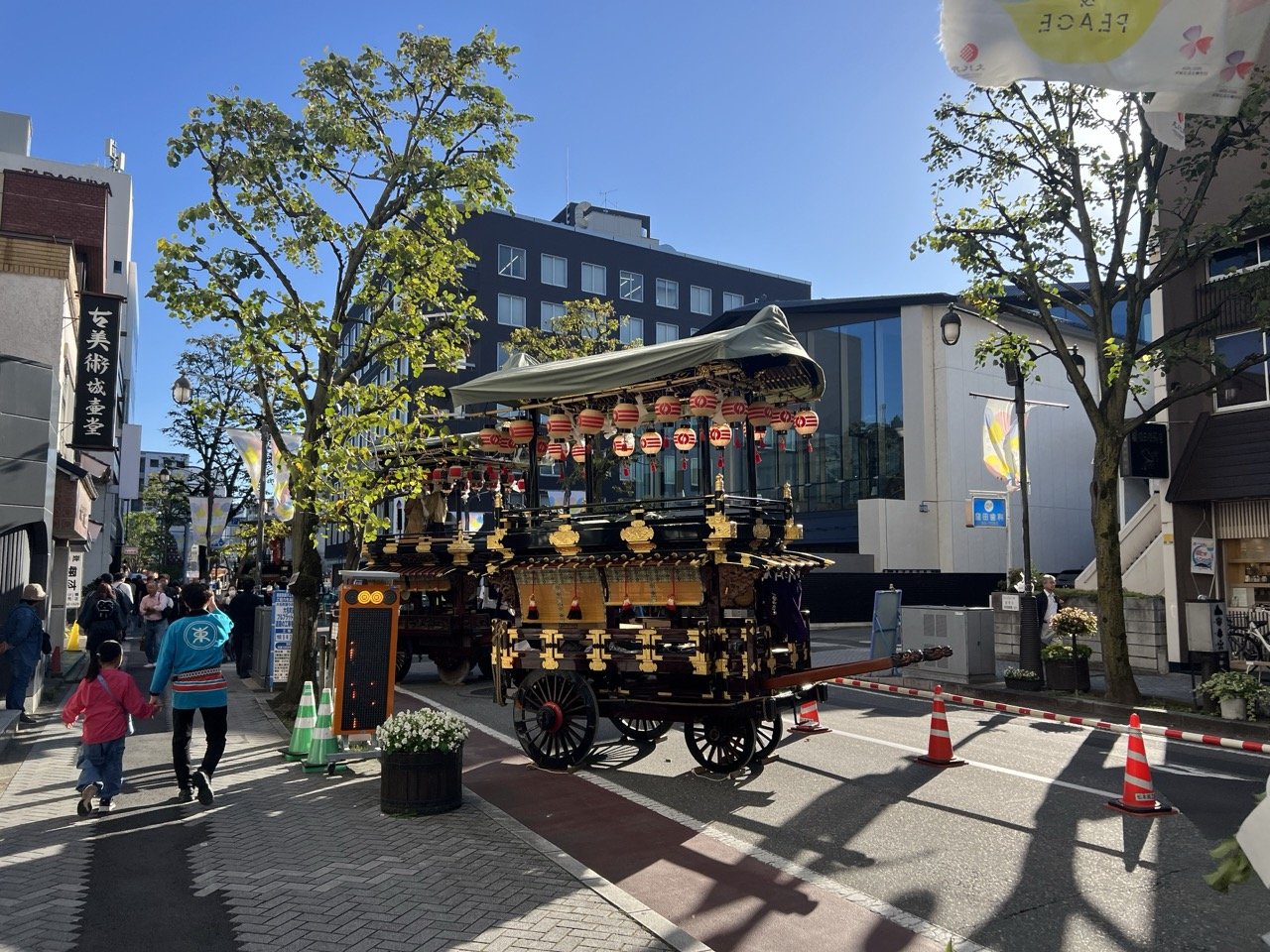
Sometimes this job is hard, but getting to take people to stuff like this is a definite benefit.
THE RULES FOR THESE GUIDES (that we post each week):
We are not here to “Well, Actually” the game. We don’t like it when we get “well actually”-ed on our trips, and we don’t wish that upon the lovely hosts of this show we like a whole lot.
We are just here to talk about the cool places featured in the game. Especially this week, since it’s a lot of fabulous Tohoku content. We’re all about Tohoku content.
We’ll toss in some stray/fun observations at the end. It’s just kind of fun for us to include these.
Each location we talk about will feature a bit about where it is, the history/details, and whether you should go or not. We’ll also have a “Pick of the Week” in there where we give a little shine to a place we think deserves it. There will also be links to our trips here and there, because the AI robots are trying to take our jobs and we would really like it if you traveled with us humans. We use way, way less water than a data center, and when we are noisy, the noise is usually bad puns and not the hum of a bunch of machines.
We’re going to start with a place that’s everywhere, because goodness gracious we want to talk about it.
EPISODE 7: Go, MAN, GO
JAPANESE SUPERMARKETS (Sam & Ben Team Alpha Force)
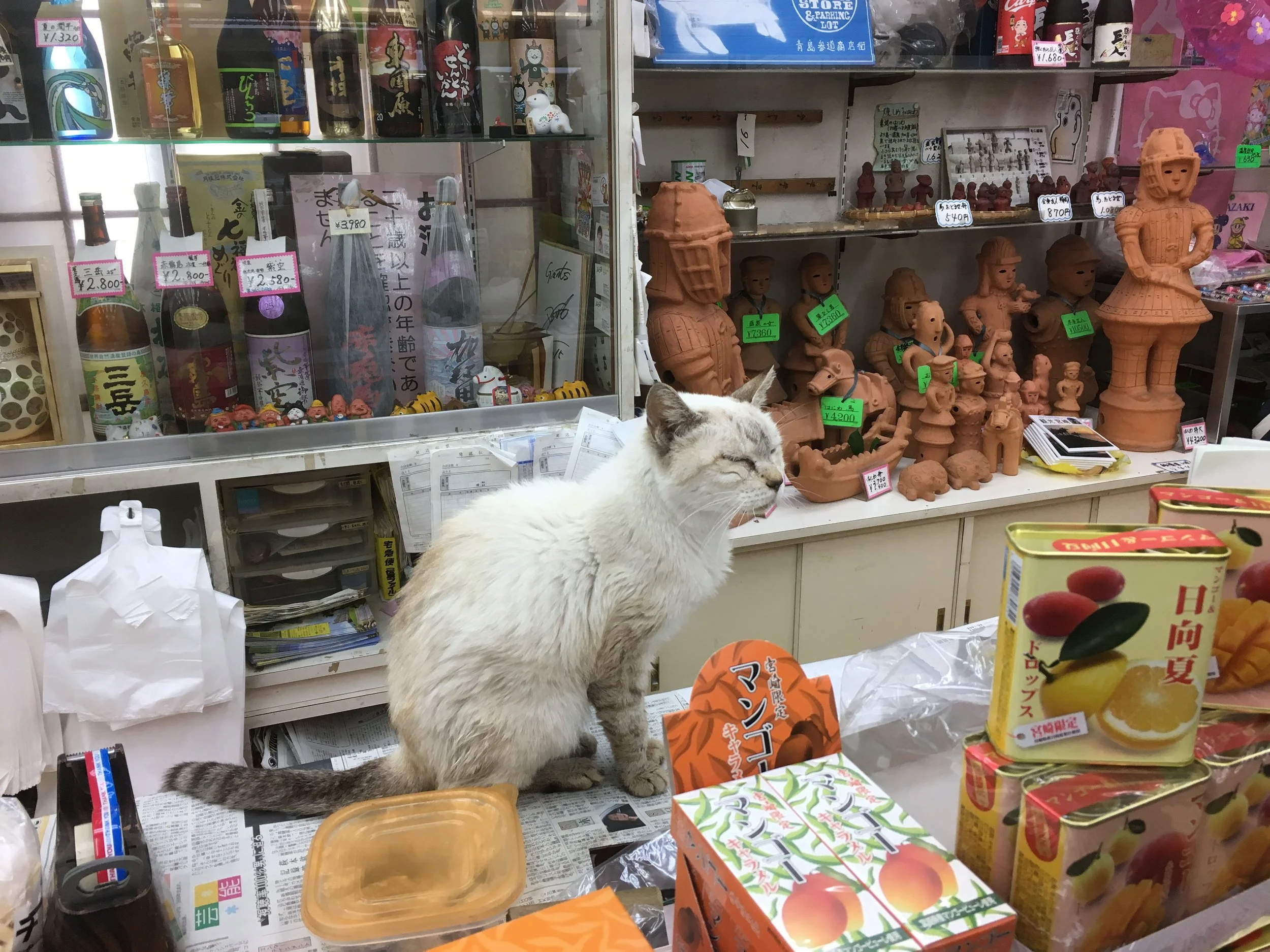
We couldn’t find a great Supermarket shot, so please accept this shot from a smaller store featuring their manager.
Where: Everywhere in Japan.
What: Exactly what the description says they are.
Details: I know it seems weird for this week’s Field Guide to start with the concept of a supermarket, because hey, we have those too, right? We’re not just going to discuss it just because Sam and Ben head to a JA Fruit Market and supermarket in Fukushima for the taste test challenge; our main reason is simple: travelers to Japan love convenience stores in Japan, but the things you love about them are also why Japanese supermarkets are awesome.
Let’s start with the basics: some of the most common places in Japan to get food include conbinis (convenience stores), aomono ichiba (fruit/vegetable markets), and supermarkets. Much like conbini, the markets include a lot more fresh food than their American counterparts, but also have a remarkable number of counters that specialize in types of food. Many markets employ a fishmonger/butcher to prepare cuts of fish for sashimi and sushi, which means the selection of that stuff is always good. Many also have bakeries (much like markets in the USA), but there’s also what the locals call the “deli” section, where a lot of quick food is served fresh or prepared as bento boxes. The “deli” is a must visit at the Japanese supermarket, since it usually stocks everything from freshly grilled yakitori to just-fried potato croquettes, chicken karaage, fried shrimp, tempura, and much, much more. The supermarket also tends to be cheaper than the conbini, which means you can assemble a top tier bento or light lunch for pocket change.
The market where Sam and Ben end up is a farmer’s market on the outskirts of the city that’s partially run by JA Fukushima. JA is a national organization with prefecture chapters who help local farmers get their products to market. As such, these places have the best fruit and veggies in Japan, and since Japan doesn’t try to make produce available year round like the USA does, everything you’ll find there is usually in season and therefore exceptionally good. JA spots are usually hard to get to since they tend to be on the outskirts of cities or on the way to/from a highway, but if you are traveling somewhere with a rental car, swing by one of these.
Should you go? If any of the last paragraph sounded like a good idea, then absolutely yes.
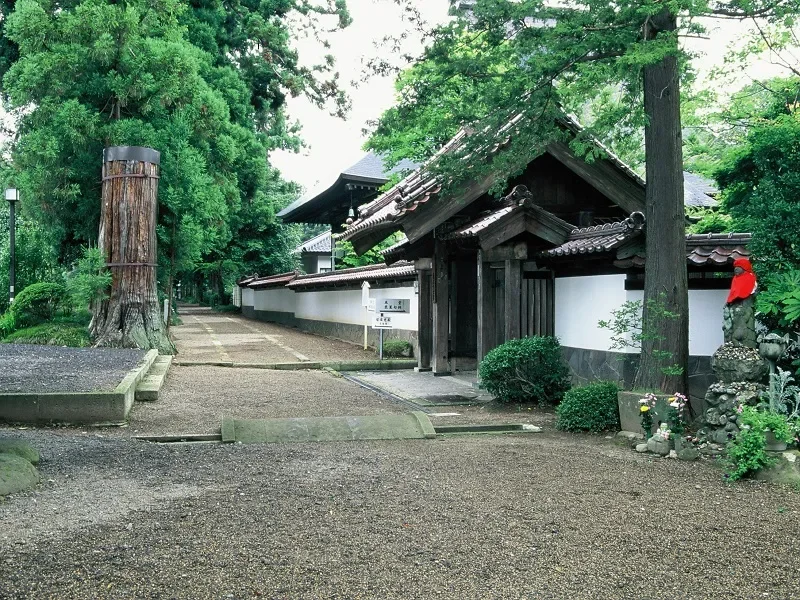
Image courtesy Fukushima CVB
FUKUSHIMA CITY (Sam & Ben Team Alpha Force)
Where: Fukushima City, Fukushima Prefecture
What: The capital of Fukushima Prefecture and its third largest city.
Details: Unlike many other prefectural capitals, Fukushima City has less people than the two Fukushima Prefecture cities that grew out of being hubs for transport and industry (Koriyama and Iwaki). Still, the city was home to a very important castle once considered the seat of power for the Fukushima Domain, and considering that the massive Tsuruga Castle in Aizu-Wakamatsu saw one of the biggest battles of the Meiji Restoration between the new government and people aligned with the old shogunate, the decision to make Fukushima City the capital was considered kind of a safe move. The smaller feel permeates a lot of the city culture, which is very much tied to agriculture since the city sits on the confluence of a number of valleys that form the base of the local rail network.
The sandals in the station Ben mentions are a reference to the city’s big summer festival, the Waraji Festival, in which a giant straw sandal is paraded through the streets. This is actually a reference to prayers for healthy bodies (there’s a similar set of sandals displayed at Sensoji Temple in Tokyo), but the festival itself is definitely an amazing part of the local flavor. The center of the city has a few spots of note (like the well-preserved Ogura-tei home, where crafting classes are offered), but the environs are a parade of cute hot spring towns and cool mountain scenery. The most iconic of these is Iizaka Onsen, an onsen town first mentioned in historical accounts as early as the 7th Century. Legend has it that a member of the imperial family was once healed by the waters of Iizaka; it was later visited many times by famed disability advocate and writer Helen Keller. These days, it remains a charming hot spring town with shops, restaurants, souvenirs, and river views all geared towards travelers seeking a quick, relaxing vacation.
Should you go? Iizaka is well worth a visit, but the real star of the area really is the local produce; definitely swing through if you want some of the best peaches you’ll ever have.
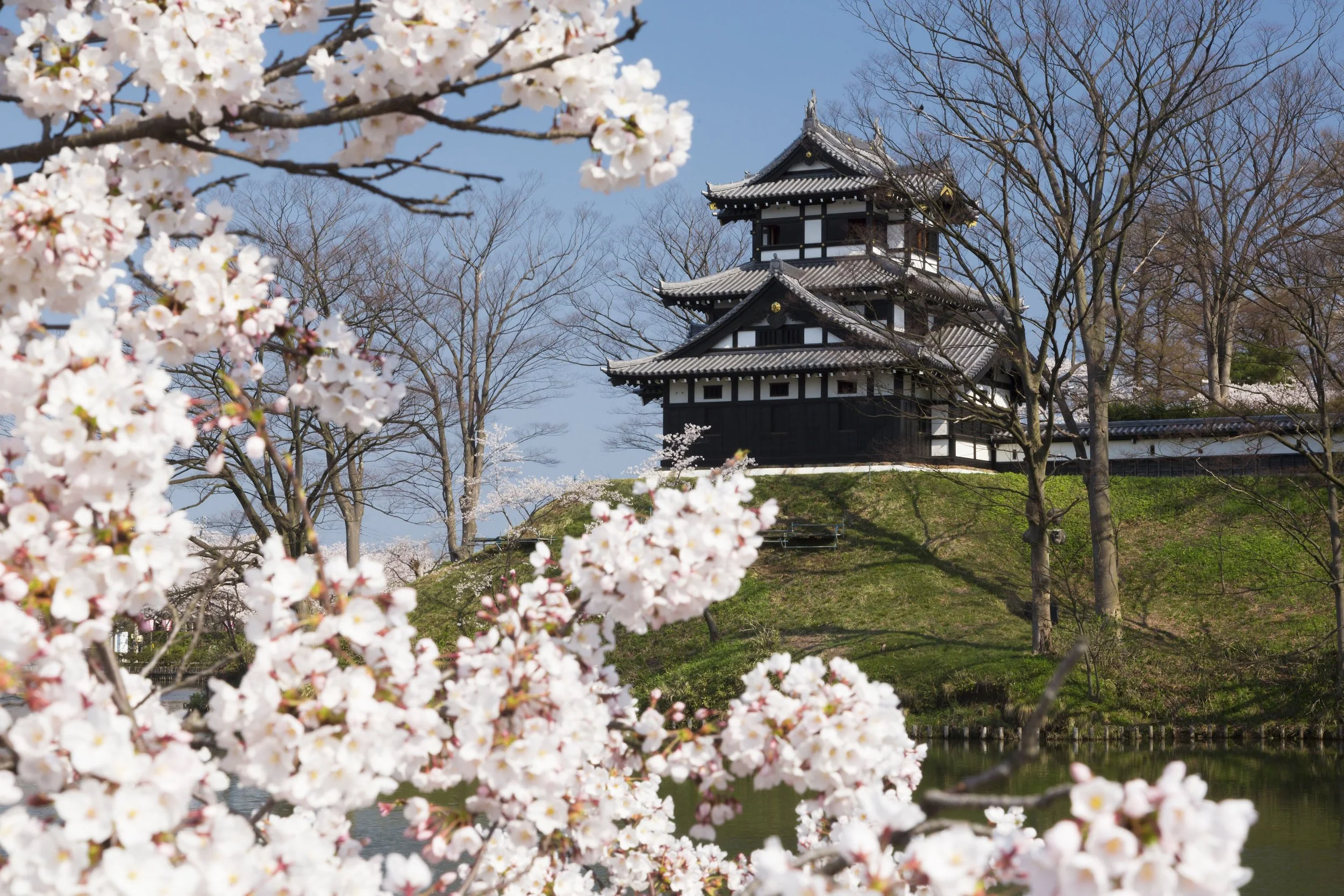
Image courtesy Joetsu City CVB
NAOETSU/JOETSU (Adam & Tom Team Fight)
Where: Joetsu City, Niigata Prefecture
What: The semi-urban city area at the center of Joetsu City.
Details: At first glance, Joetsu doesn’t seem like much. Like a lot of other cities in this part of the country, it grew out of multiple rounds of gappei where multiple towns and cities gathered together together to form a larger city. However, this is an area that a lot of travelers consider an undiscovered gem: a place where history, nature, and cuisine combine in a way that you’d only see in this corner of the country.
Reflecting the drinking culture of Niigata and the natural fermented products that also define much of Nagano Prefecture to the south, Miso and Sake are both a big part of Joetsu’s city culture. The city has numerous producers of both, making it an ideal destination for foodies. The area around Naoetsu Station celebrates its history as a rail hub, but the area is also one of the main launching points for boats to Sado Island as well. The waterfront has a lot of fishing (insert your favorite fishing joke from previous episodes here…), but the most popular destination in Joetsu is inland: the area around Takada Castle. The rebuilt turret is part of a larger park known as one of Japan’s most iconic cherry blossom viewing spots, as is the old Army Takada HQ, a Meiji-era western-style building on the castle grounds. Also in town is Takada Sekaikan, one of Japan’s oldest movie theatres, where old film equipment and memorabilia shares space with screenings of films old and new.
Should you go? While Niigata Prefecture has a lot of cool stuff (see the next part), Joetsu is a cute spot to visit as well. If you are near here in the spring, consider it a must-see for the cherry blossoms. Show up, chill under the blossoms, and make memories.
NIIGATA (Adam & Tom Team Fight)
Where: Niigata City, Niigata Prefecture
What: The biggest city on the Japan Sea/Eastern Sea coast that isn’t Fukuoka.
Details: The first time the settlement of Niigata boomed, it was because feudal leader Uesugi Kenshin moved a temple here. Since then, the development of Niigata has very marched to its own drum; a city built by trade and an interesting collection of historical developments and modernization. Niigata was opened to foreign trade in 1858, and the city remains a vital port for Japan to the rest of Asia (and elsewhere). The port’s political and economic importance wasn’t lost on others around the world; Niigata was actually on the short list of cities that might be targeted by the A-Bomb at the end of World War II. Ironically, this is one of the cities that escaped a fair bit of war time damage, which is one of the big reasons this city has a unique feel among cities of this size.
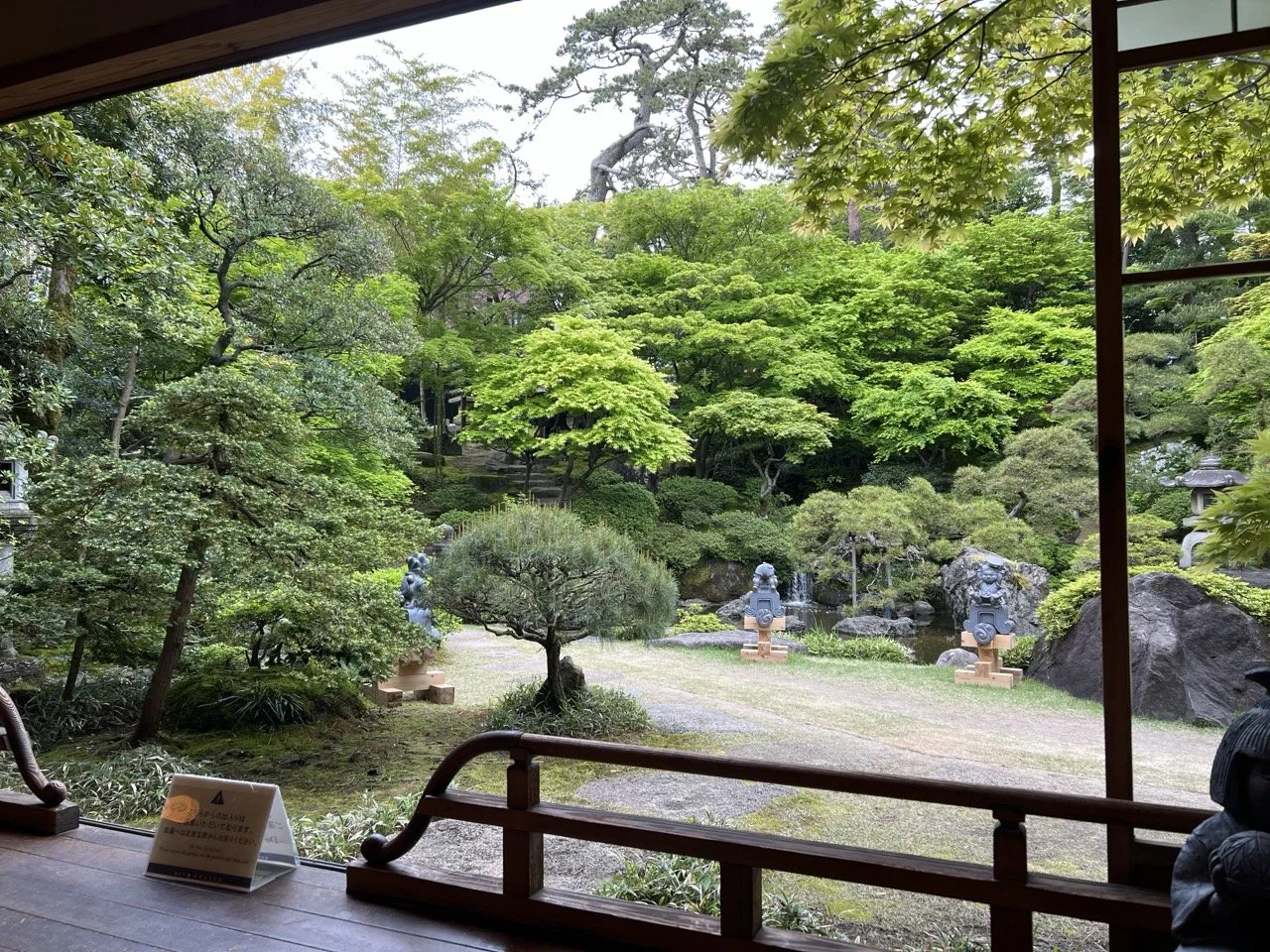
For starters, consider Furumachi (literally “the old town”) – an entertainment district where geigi (the Niigata equivalent of geisha) still perform for patrons at fancy tea houses and dinner spots for exhorbitant sums of money. The neighborhood has a lot of budget options as well; its tight alleyways are a maze of noodle joints, bars, microbrew beer shops, “snack bars” (= you have alcoholic drinks and small bites with the madame of the house) and more. Just over the bridge is the Bandai area, where the city’s massive mall has entertainment options for everyone and there’s a small local manga museum. If all this water has you wondering how the seafood is around here, YUP – it’s awesome. Try some at any number of sushi spots, or the fish market attached to Pier Bandai, which is also home to a number of cute local cafes selling everything from cute donuts to deluxe lattes.
If you like to bar hop, Niigata will be like heaven to you; this place has more izakayas filled with locals young and old getting lit than most cities its size. This isn’t a surprise; Niigata’s most popular consumable export is Sake, and you can try over 100 (yes, ONE HUNDRED) local varieties of it at the massive Sake sampler wall at Ponshukan at Niigata Station. The station just got a massive makeover, so the number of new local spots here is changing quickly and getting more and more intriguing this year heading into 2027. Local specialities are everywhere, including the local Hegisoba and Tare-katsu, the local version of Tonkatsu served sauced over rice. To the east, the old Nuttari Terrace area is the city’s coolest little collection of art shops, retro wear, and, befitting the city’s culture, a nice microbrewery inside an old house and a sake brewery that offers frequent tours.
Should you go? Niigata is the kind of place to bring a group of fun-loving friends or foodies for sure; it’s really gorgeous and a ton of fun to explore. That being said, it can be a little out-of-the-way depending on where else you’re planning to go. We’ve loved using the city to kick off our Taste of Japan North and Taste of Japan Nihonkai trips just because of the food and sake, which are not to be missed.
This week’s pick of the week is next, and ironically, it’s the city we are in as we are writing this, so we can personally attest to its awesomeness since we’re experiencing it in real time. Cool, right? No? Well anyway, welcome to…
SENDAI (Sam & Ben Team Alpha Force)
Where: Sendai City, Miyagi Prefecture
What: Tohoku’s biggest city and unmistakably fun place to explore.
Details: In the warring states period, the feudal leader of this land, Date Masamune, was known as a fierce fighter but also a benevolent leader of his people, and the people of what is now Sendai loved him for it (heck, they still love him for it). His final resting place, Zuihoden, is a gorgeous mausoleum in the midst of a forest in the middle of the city that feels secluded and mysterious. The location is fitting, because Sendai remains prosperous, vibrant, and a remarkable city to explore. Date would be proud.
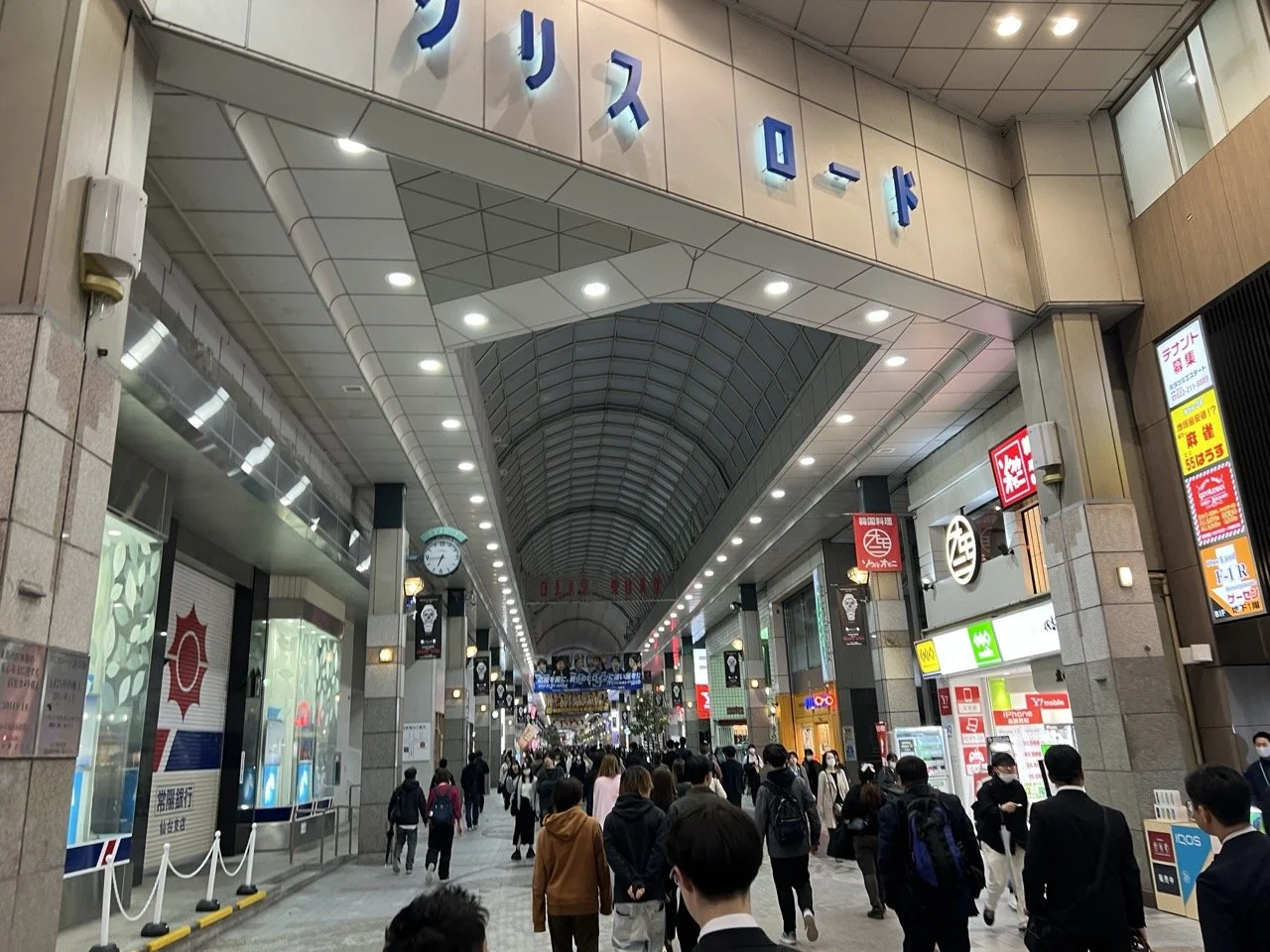
Home to just around a million people, Sendai is easily one of the friendliest major cities in Japan; less than two hours on the Shinkansen from Tokyo but worlds away in spirit. The west is anchored by the Sendai City Museum and the Aoba Castle Ruins, both replete with artifacts and exhibits chronicling the city’s past. In the center of the city is Ichibancho and Aobadori, the areas west of the station filled with every kind of mall, shopping arcade, and dining spot you could name. Among the highlights is Iroha Yokocho, a claustrophobia-inducing two story building filled with small eateries, and the Vlandome arcade with live houses, bars, and restaurants for every budget. Sendai is famous for its grilled beef tongue, but the nearby towns of Shiogama and Matsushima keep a steady amount of seafood and oysters coming in to town. We wish Ben had at least one of these local goodies to go with his delicious… card (yikes), but who knows, maybe he’ll be back for it sometime in the future.
Speaking of Matsushima: it’s about 35 minutes west of the city and well worth a visit; its many pine islands make it one of Japan’s “three major views” (bonus: you can sail around the islands too). If you are here in the summer (usually August 6-8), you can also catch Sendai’s massive Tanabata Festival that takes over the city. Feeling outdoorsy? The city’s western wards include a bunch of stuff worth seeing: Akiu Onsen hot spring and the nearby Akiu Great Falls, the Nikka Whiskey Miyagikyo Distillery, and numerous spots to hike and explore. Take the Senzan Line to get there (fun fact: keep going west on the same line and you’ll hit Yamadera, Ben’s first hiding spot from Hide and Seek: Japan).
Sendai has all the goodies you’d expect from a big city, but is a lot more accessible and friendly than what you might expect from, say, Tokyo. If you’re like us, you’ll end up shopping to your hearts content, or singing karaoke into a spatula at the urging of a local izakaya owner (yeah, that happened). It’s the warmth of Tohoku, big city style.
Should you go? Hell to the yes you should!
TSURUOKA/SAKATA (Adam & Tom Team Fight)
Where: The coast of Yamagata Prefecture, known as the Shonai region.
What: The two rural cities that anchor the small part of Yamagata Prefecture that border the sea.
Details: For most people, if you mention Yamagata Prefecture, they’d picture places like the mountains and onsens of Tendo City, Yamadera Temple, and other inland cities sitting in the center of Honshu. Shonai is a whole different beast; this is a place defined by its relationship to water, from the presence of historically significant ports treasured by feudal leaders since the Kamakura period to the fertile farmland fed by the massive Mogami and Akai rivers.
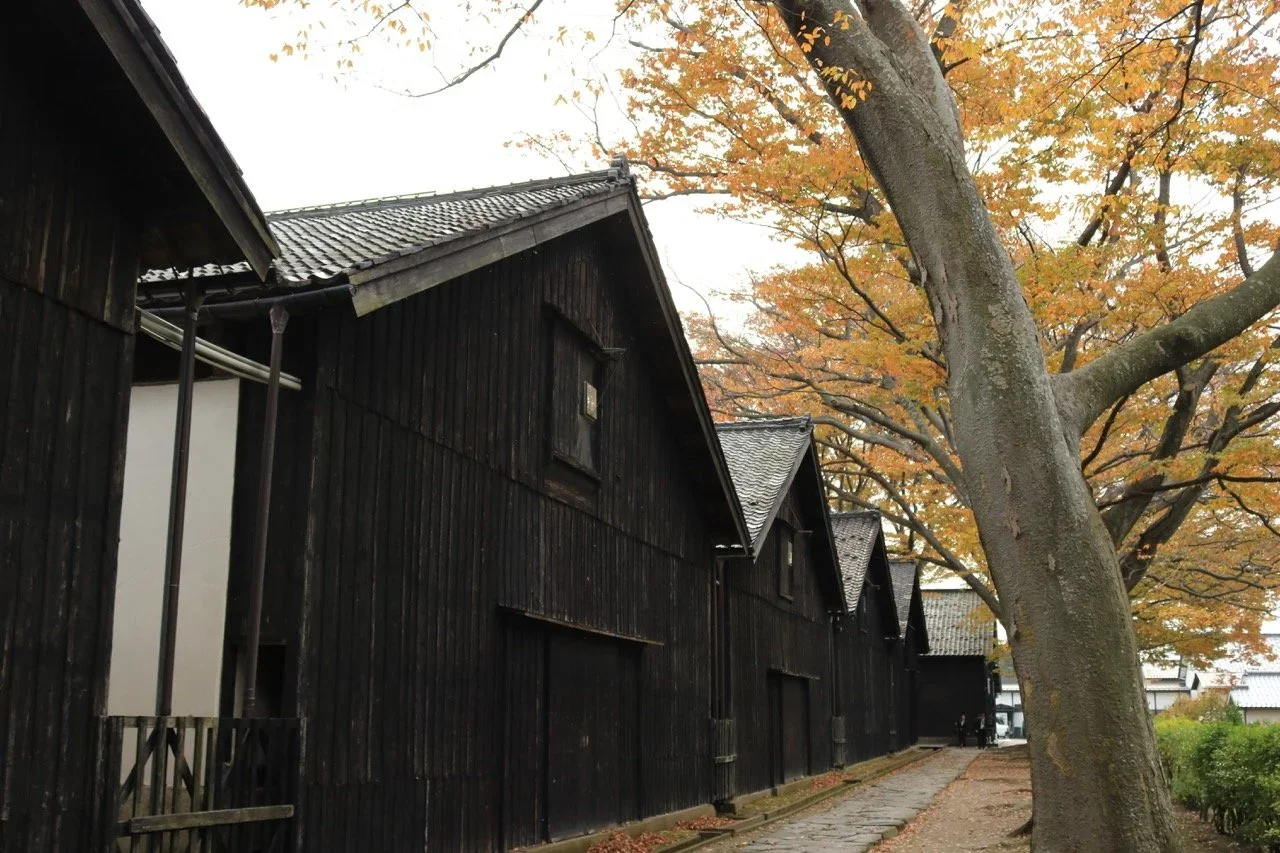
It will not surprise you at all that this place has amazing fish and sake, including top-tier tuna, but Tsuruoka also produces some of the most unique varieties of vegetables, rice, and soup in the country. Appropriately, Sakata has a well-maintained collection of preserved storehouses near the port area that used to hold much of the area’s agricultural gifts for export. You can now tour the houses and go to shops and cafes that occupy their space. Aside from the awesome food, one of the other big draws here is the spiritual hike up the three mountains of Dewa (Mt. Haguro, Mt. Gassan, and Mt. Yudono), a pilgrimage of sorts regularly undertaken by devoted followers of Shinto and Buddhism. Along the way are shops selling Shojin Ryori, the naturally vegetarian food often consumed by monks practicing at temples. If you don’t want to do the whole hike, make sure to see Yudono Shrine; it’s a massive shrine that also has some of the best views in the area if the weather is decent.
Should you go? If you are a hardcore foodie or want to hike the three mountains of Dewa, a stay in Sakata or Tsuruoka is strongly recommended!
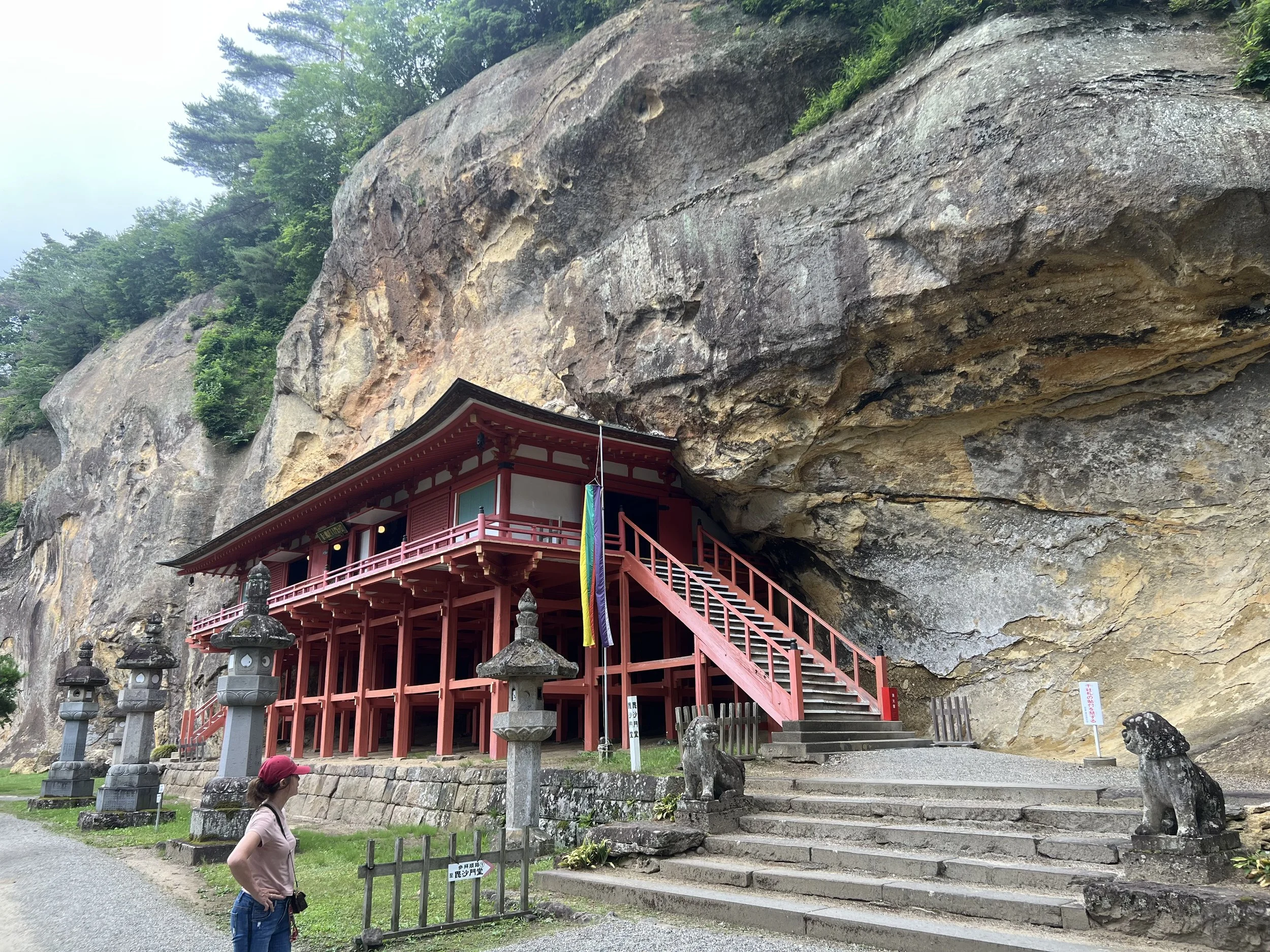
ICHINOSEKI (Sam & Ben Team Alpha Force)
Where: Ichinoseki City, Iwate Prefecture
What: The gateway to Hiraizumi and an outdoor wonderland in southern Iwate.
Details: We go to Ichinoseki a few times a year at PacSet for a few reasons. For starters, it’s home to the remarkably picturesque Geibikei/Geibi Gorge, a long shallow gorge that runs through the mountains where locals host cruises where the boat captains sing to you as you gaze at the gorgeous rocks and blooming trees you’re sailing by. There’s also a small cave at the end of the ride where you can toss rocks in the hopes of your wishes being granted, which we fully support since throwing tiny rocks releases stress.
The real draw in this area, however, is the neighboring city of Hiraizumi, a culturally significant city and UNESCO World Heritage Site designed by the Fujiwara Clan at the height of their powers to represent the buddhist “Pure Land” – a place that, through a relationship between the believer and the Amitabha Buddha, is supposed to be a stepping stone towards enlightenment. The city retains a lot of its beauty even now, replete with gardens and the famous Chusonji Temple, a picturesque temple complex established in 850 that is situated on a hill in the center of the city. The gold leaf Konjiki-do building is the highlight here, but don’t miss the well-maintained Noh stage and the views from the other buildings on the approach. Also in Hiraizumi: Takkoku no Iwaya, a buddhist temple partially nestled in a cave off the side of a mountain.
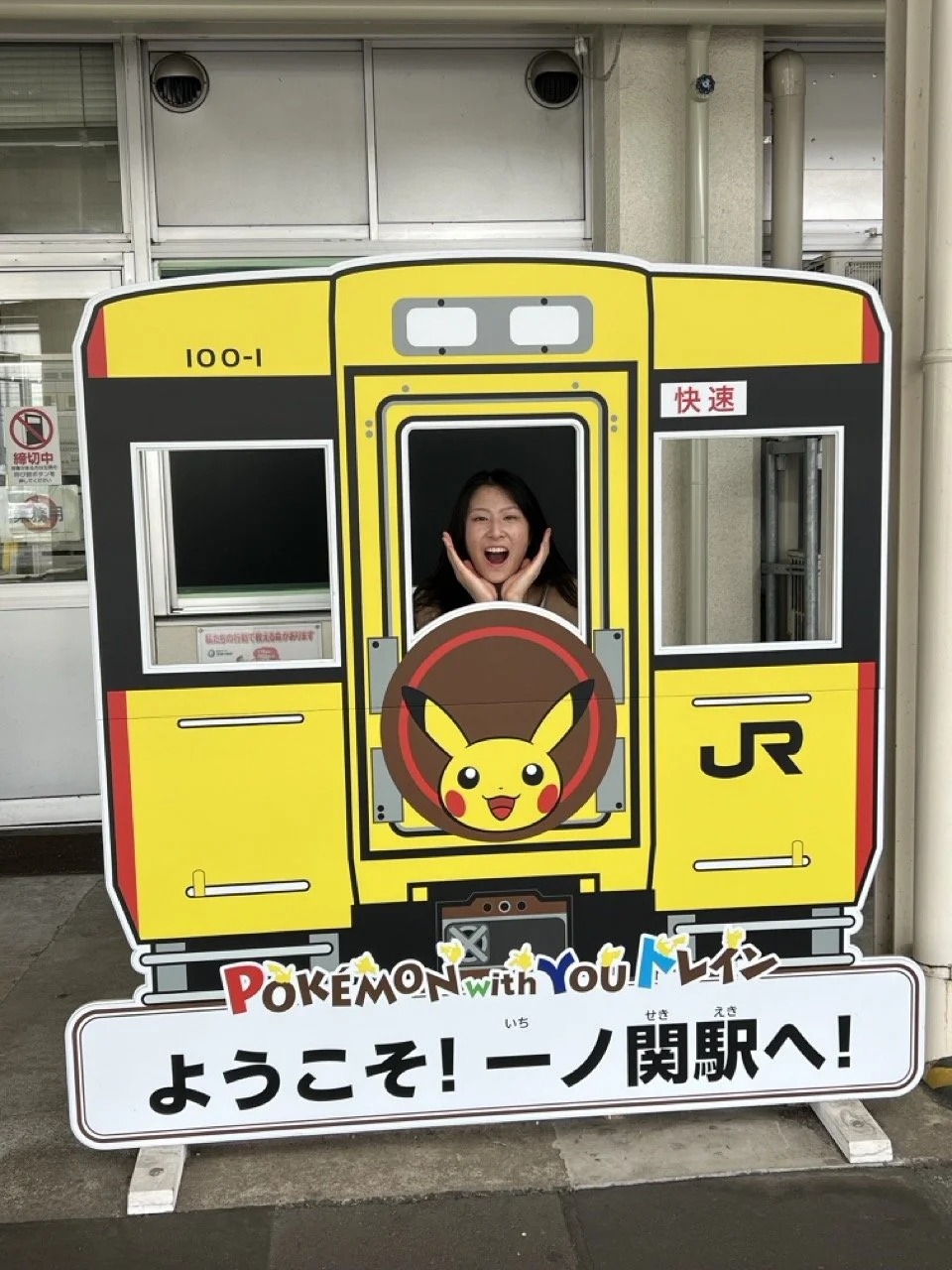
Should you go? Hiraizumi is an unmistakably romantic site of Japanese history as a place that was built to literally resemble heaven, so yeah, by all means drop in. We also got some pics with the Pikachu at Ichinoseki, because of course we did.
MORIOKA (Sam & Ben Team Alpha Force)
Where: Morioka City, Iwate Prefecture
What: The capital of Iwate and its largest city.
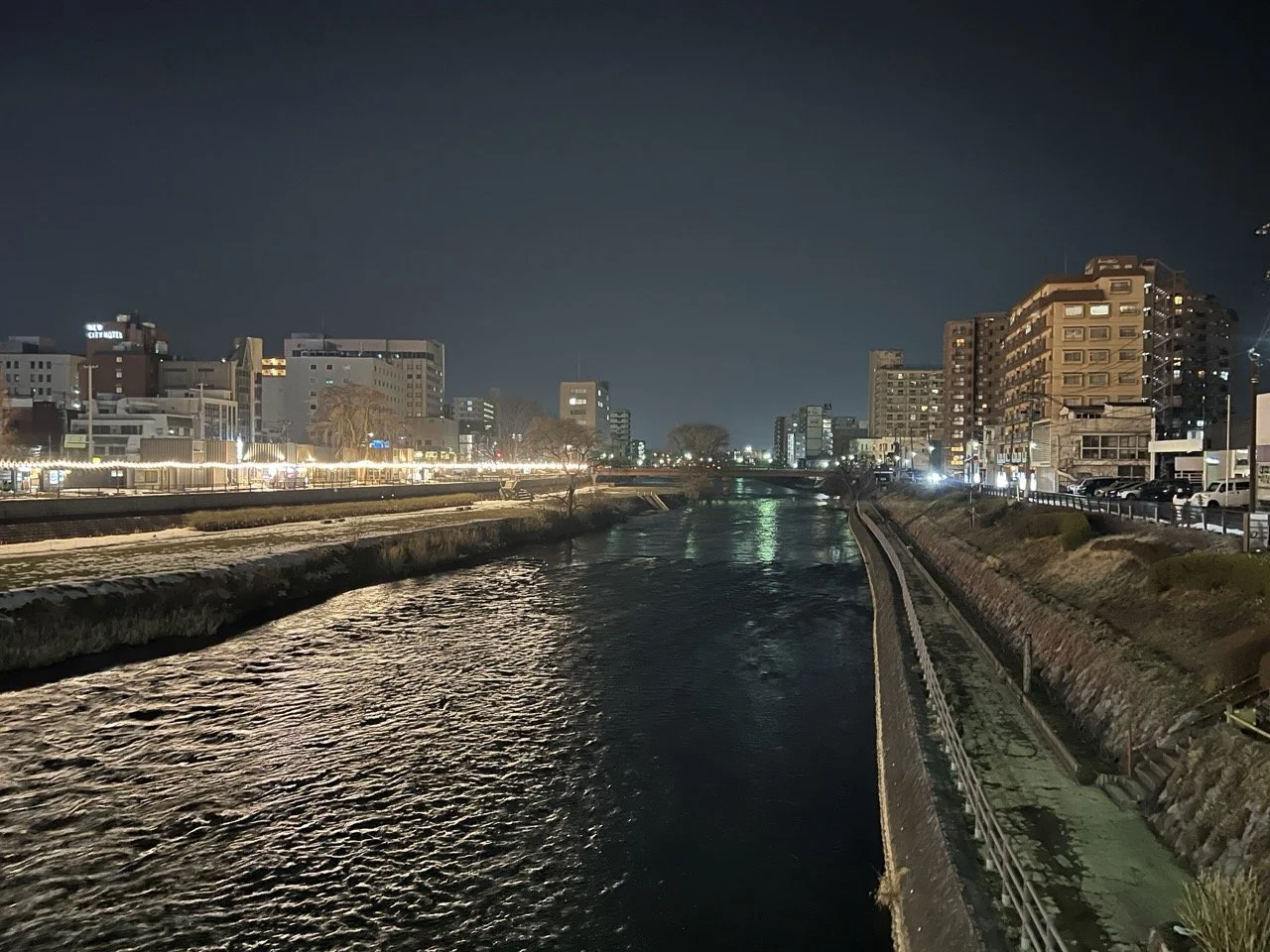
Details: Formerly the home base of the powerful Nambu Clan that maintained a massive sphere of influence over the larger Mutsu Province that stretches from what is now Aomori Prefecture all the way to Fukushima Prefecture (spoiler: this earned the Nambu a fair bit of detractors…). In modern times, it’s still one of the busiest in the region and was the first “end point” for the Tohoku Shinkansen when it opened in 1982.
The castle ruins and the neighboring Morioka Hachimangu shrine are gorgeous historical sites, but most travelers come here to eat in excess: the city’s famous Wanko Soba is a dining experience where you consume as many tiny bowls of delicious soba you can before your stomach turns inside out. Many of the city’s most popular spots for the dish offer guests a tablet to chronicle how much of the noodles they consumed so they can take it home with them to remind themselves of that time they challenged their stomach to a fight. We can’t lie though; those are some pretty amazing noodles. ❤️
Should you go? To be honest, I was really hoping that Sam and Ben would stop in here, since Ben seems like the kind of guy who would really, really enjoy trying to conquer an unreasonable portion of soba noodles. If you are the kind of person who would really enjoy that as well, make the trip.
KISAKATA/NIKAHO (Adam & Tom Team Fight)
Where: Nikaho City, Akita Prefecture
What: A seaside town steeped in legend and lore.
Details: There are many places in Japan that are famous for what’s there, but Kisakata is unique in that it’s partially known for what was. The bay in this town once supposedly featured expansive vistas of tiny islands not too dissimilar from the ones you see in Matsushima. This view, referenced in the work of the poet Basho, was erased by an Earthquake hundreds of years ago. Bummer.
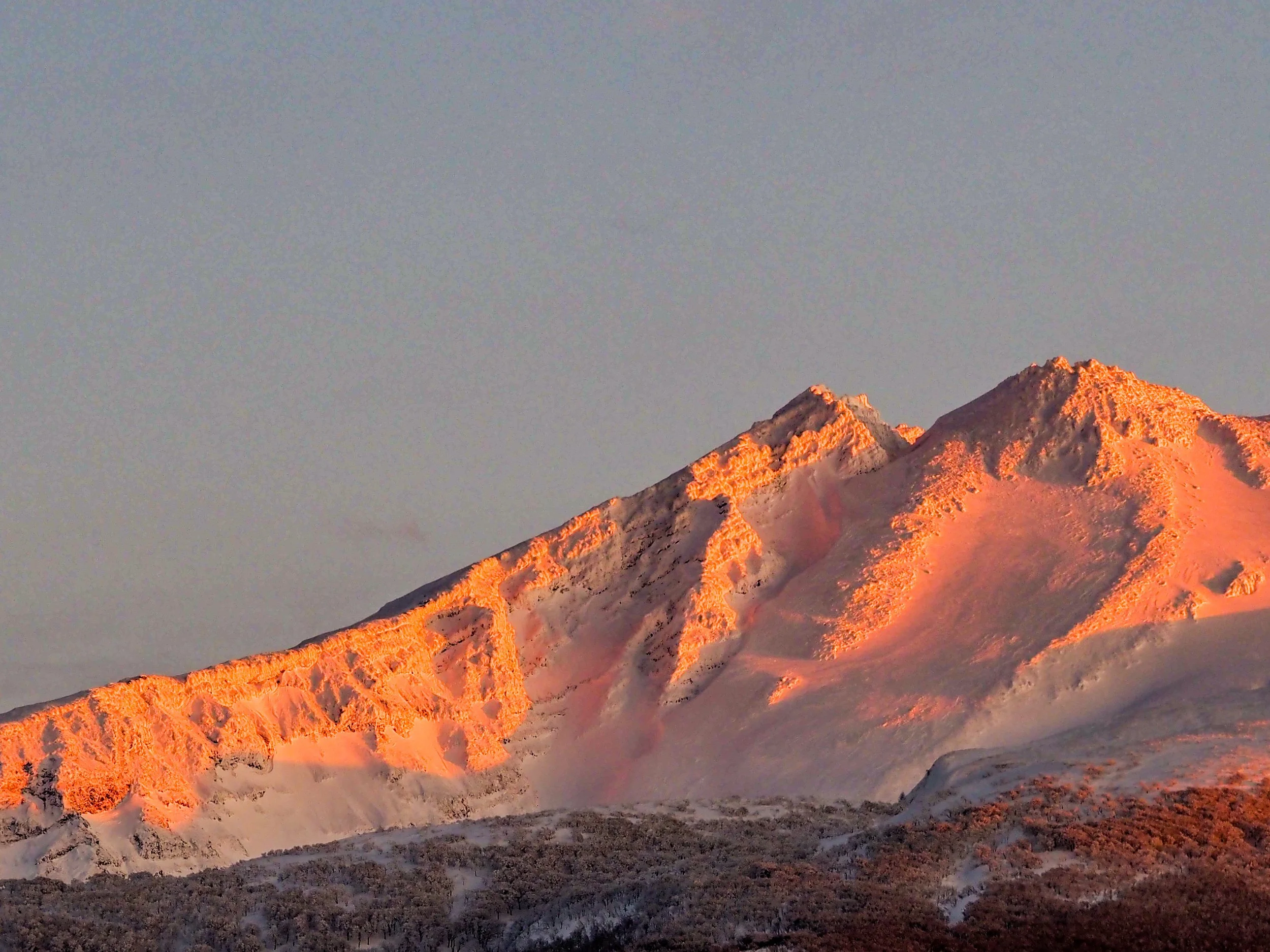
However, the sunset views are still nothing short of extraordinary, which is why this is an area where most travelers opt for cozy, B&B-esque accommodations and nice views. While the old view is gone, it’s still captured somewhat in rice fields decorated with small “islands” within them, resembling dark green isles in a sea of lighter green. Speaking of views: Kisakata is also one of the major access points to the massive Mt. Chokai, which straddles the border between Akita and Yamagata and offers some amazing hiking in the warmer months.
Should you go? Aside from the sunset, Kisakata and the surrounding area have a lot of gorgeous natural scenery. This is a great place to camp, but if that’s less your speed, there are a handful of really nice mom & pop minshuku and ryokan to serve you.
Random Notes
We have also been watched/stared at by kids on the train more times than we can count. One time we befriended an entire soccer team this way, and that was pretty awesome.
SAM: DON’T FEED YOUR EMPLOYEES GINKGO NUTS oh no ;_;
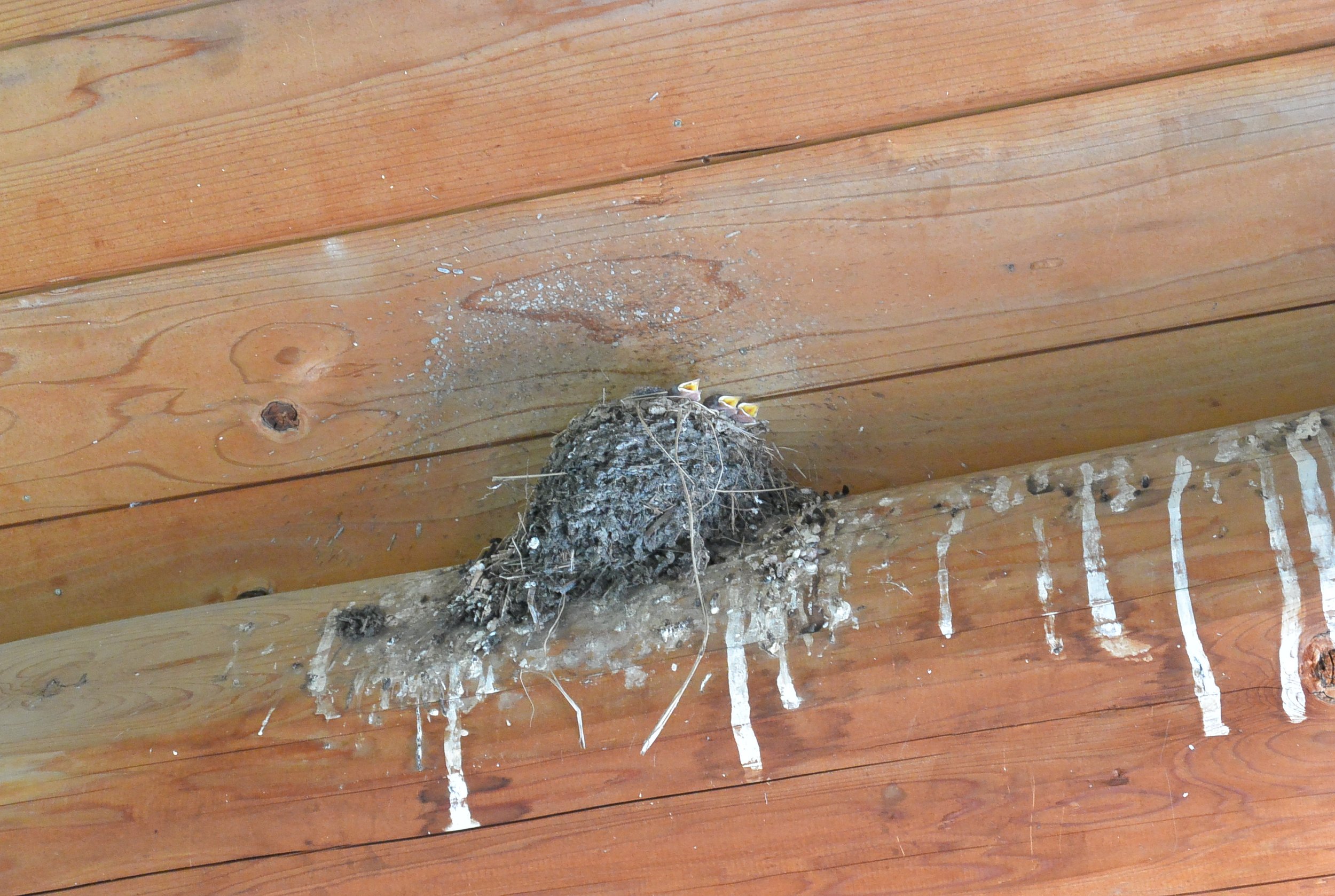
Loved the scene with the birds nest at the taxi stop in Tsuruoka; it reminded us of the time we happened upon a nest of them during our Skate and Swim trip in Tottori (pictured). Lovely to have them keep us company as we waited for our bus to come; just look at them waiting for lunch. CUTE.
On The Layover, Tom raves about the unique underground Tsutsuishi Station, which can only be accessed by some pretty massive staircases leading to an underground platform. It’s a very cool, moody place to explore, but the wild thing is that it isn’t the only station like that! The other famous one is Doai Station near the Gunma/Niigata border, where the southbound platform is above ground but the northbound one is deep, deeeeeeeep underground and requires an unreasonable number of stairs to access. Both are great places to go if you want to do some stair climbing outside of the gym. ;)
Next week: we’re back for the eighth and final episode. Something tells me we’ll be talking about Hokkaido a lot…