Hello friends, and welcome back to our field guide for Jetlag: The Game: Japanorama. I’m Evan, you are whoever you are, and as the boys would say, we are so back.

This is the field guide for episode 2! If you didn’t see the one for episode 1, or you’re confused about what this whole thing/guide is about, read this first.
As we said last week: these posts are going to have SPOILERS for the episodes, so if you haven’t seen the episode we’re talking about yet, please watch it and then come back to this piece. Like last week, we’re going to drop an image below this paragraph that has nothing to do with the episode. This week, we present a very comfortable kitty, napping outside a hot spring in one of the prefectures the boys didn’t visit. If you pass this cat, PacSet is not responsible for what happens to you. Here comes the cat…
Oh, how I would love to feel this comfortable. Just look at that face. Once again, here are…
THE RULES FOR THESE GUIDES:
We are not here to “Well, Actually” the game. We’re not going to go on about why one player should have done one thing or another. No one likes people who do that sort of thing on the internet anyway.
We are just here to talk about the cool places featured in the game. We travel across Japan a lot at PacSet and are super thrilled that this season is going to so many of the places we love and have been trying to boost for years.
We’ll toss in some stray/fun observations at the end. I am not a robot devoid of fun opinions. I’ll share the good ones.
Each location we talk about will feature a bit about where it is, the history/details, and whether you should go or not. We’ll also have a “Pick of the Week” in there. There will also be links to our trips here and there, because the AI robots are trying to take our jobs and we would really like it if you traveled with us humans. The robots can tell I copied some of these rules from last week, but hey, I just felt like they should be shared again. Okay, let’s do this.
EPISODE 2: IS THERE A CATCH?
SHIOHIGARI (CLAM DIGGING) AND FISHING (Both Teams)
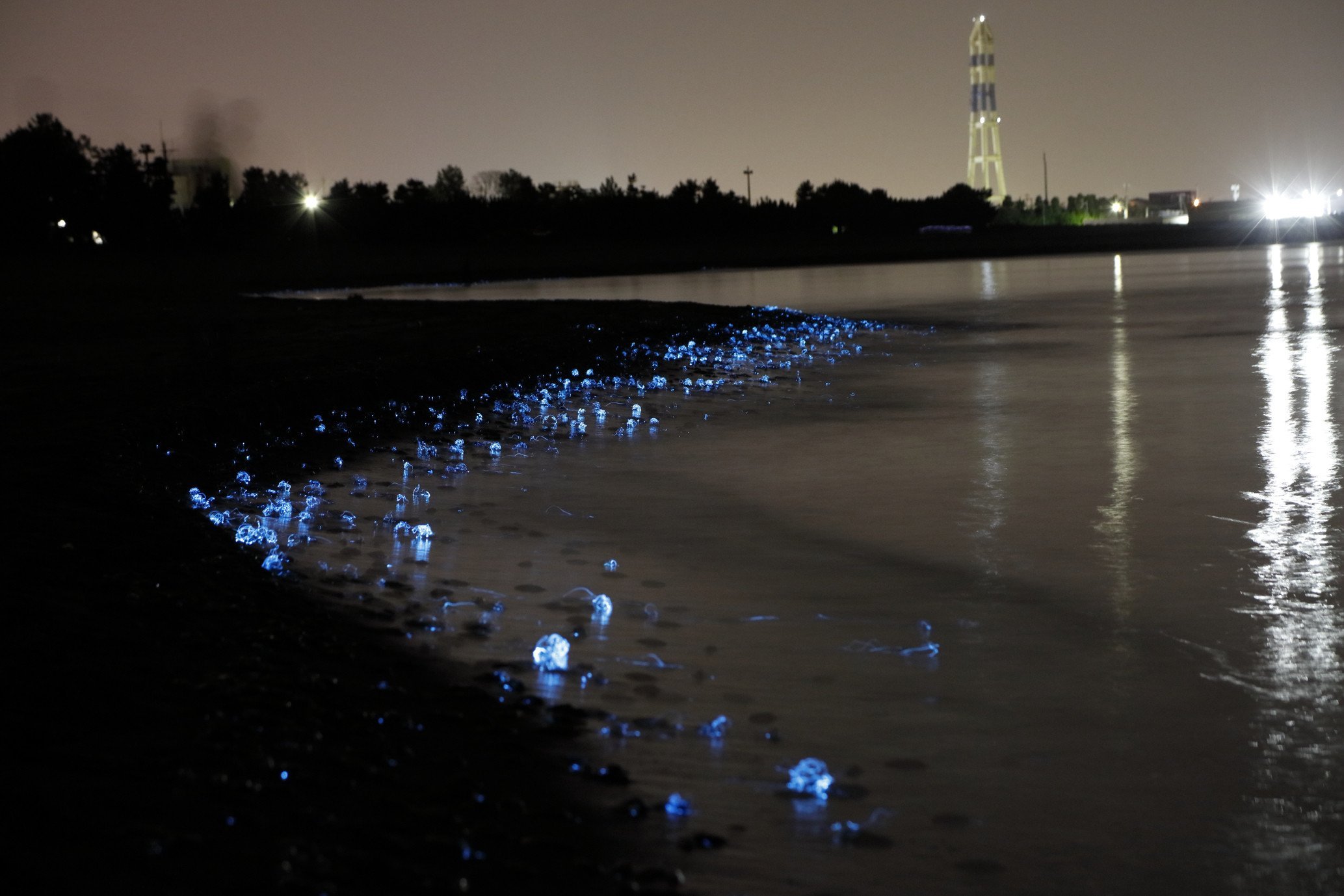
Image c. Toyama CVB.
Where: Wherever water is.
What: The act of catching delicious things that used to swim or exist in water. Yum!
Details: Japan’s biggest natural resource is the waters that surround it, and its history has been shaped by those waters in near countless ways. While we have done a few fishing things on PacSet before, it is worth mentioning that there are more kinds of fishing experiences in Japan than there are fish in the sea (pun intended). Fishing in Japan can be as simple as casting a line off the end of a dock (like Adam did) or signing up for a six hour boat journey that departs at 1AM.
Some of Japan’s most iconic fishing trips are also the most brutal. Hauling in crabs in the Tsugaru strait from deathly cold waters, leaving on a boat at 2AM with no guarantee you’ll catch anything… you get the idea. When we were working on last year’s Taste of Japan Nihonkai trip, we looked into catching the firefly squid that live in Toyama Bay (pictured here), but the shortness of the season coupled with the very very early boat depature time – all with the knowledge that we might not even see anything – led us to scrap it. That being said, most locals just cast off piers or head out to the shore. When I studied abroad in Osaka, my host family took me to one of the areas where the river separating Nishinomiya from Amagasaki entered the sea, and there were many people out catching stuff. Most of it was small (one local told me they were trying to catch some small minnow-esque fish that make excellent tempura), but the point for most people seemed to be the low-key fun of the whole experience.
While locals fish all year in Japan, Clam Digging/Shiohigari has a very specific season (as Sam mentions in VO); the spring is the time to go. However, not all beaches are considered equal; there’s a massive discrepancy between places with lots of clams and less. The best beaches tend to get slammed; the sandy channels by Karasu Beach in Tsu (Mie Prefecture) became such a popular spot for the practice that the city banned it entirely for the 2026 season. In other words, while there are spots for Shiohigari across Japan, if you plan to go, we suggest checking into which beaches have the best chance at finding clams before heading to a random beach with a shovel and visions of little-neck clams dancing through your head.
Should you go? If you read all the things I wrote above and are still thinking, “wow, that still sounds kind of awesome”, then go for it! For clams, if you are in Japan in the springtime, there are lots of spots where you can technically go clam digging, but the best are in Aichi Prefecture and Mie Prefecture around Ise Bay (near Nagoya). For fishing, you’ve got TONS of choices that we couldn’t possibly list here, but we’ve gone near Otaru, Hokkaido, Mihama in Fukui, and Nagasaki. Happy fishing, friends!
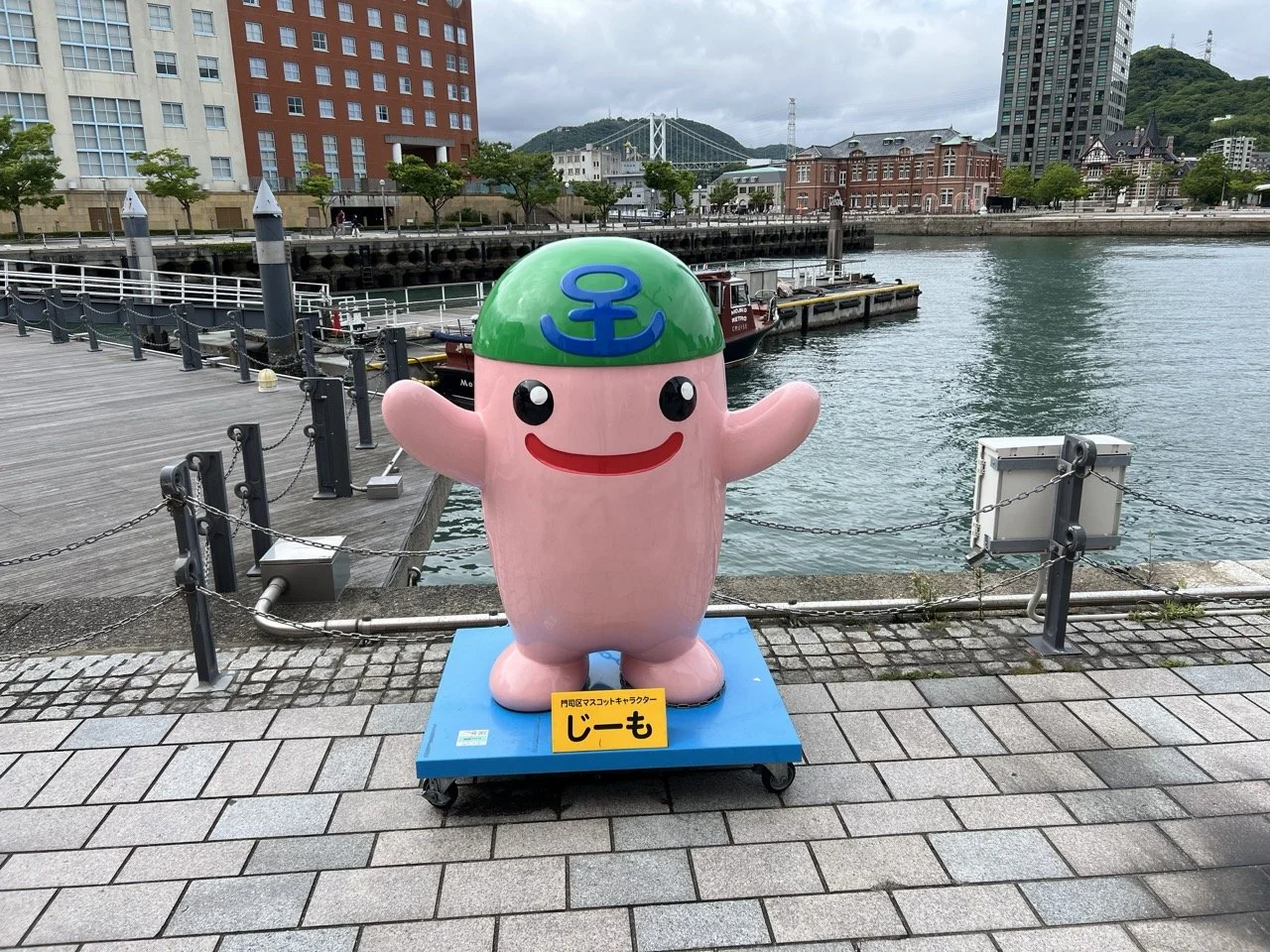
MOJIKO (Sam & Ben Team Alpha Force)
Where: Kitakyushu City, Fukuoka Pref.
What: The official starting point of the Kagoshima Main Line spanning Kyushu, opened in 1891, which is also in the center of what was Moji City until it was merged into Kitakyushu City in 1963.
Details: We talked a bit about Mojiko last week in terms of it’s historical train station, which has another mega fancy Starbucks and is one of three railway terminals on Japan’s register of historic places (the others, for those keeping score: Tokyo’s old brick station and the defunct Taisha-mae Station in Izumo, Shimane). The terminal is notable because, before the many bridges between Honshu and Kyushu were built in the 20th century, the entry point to Kyushu was by sea - and the dropoff point for the boats was a stones throw from Mojiko Station.
The Moji Port area faces Honshu and Shimonoseki City (more about that spot in a moment), so any trip to this area is best if you check out both cities. On the Kyushu side, Mojiko is a cute area with a lot of history. Its waterfront is a bit more laid back than the one on the Shimonoseki side; there’s a collection of old buildings and cafes known as Mojiko Retro Row that stretches towards the entrance to the auto tunnel to Honshu. Along the waterfront, expect more cafes, nice views, and a lift bridge that plays music when it goes up (see the video linked below). The walk to the underside of the Kanmon Bridge that Sam and Ben take is a long-ish one but quite scenic; if you’re not into walking, there’s a tourist-centric mini railway (the Mojiko Retro) that runs the same route on the weekend. Other highlights include the historical seaside Mekari Shrine (where they sell shrine charms inside ornaments resembling Fugu/pufferfish) and the local pan-grilled curry (yaki curry) usually served with veggies and cheese.
Should you go? Mojiko and Shimonoseki are cute spots and worth consideration as a stopover if you are in the area. That being said, if you are a fan of turn of the century (19th to 20th, that is) architecture and rail travel, you’ll definitely get more out of a stop here than many others would.
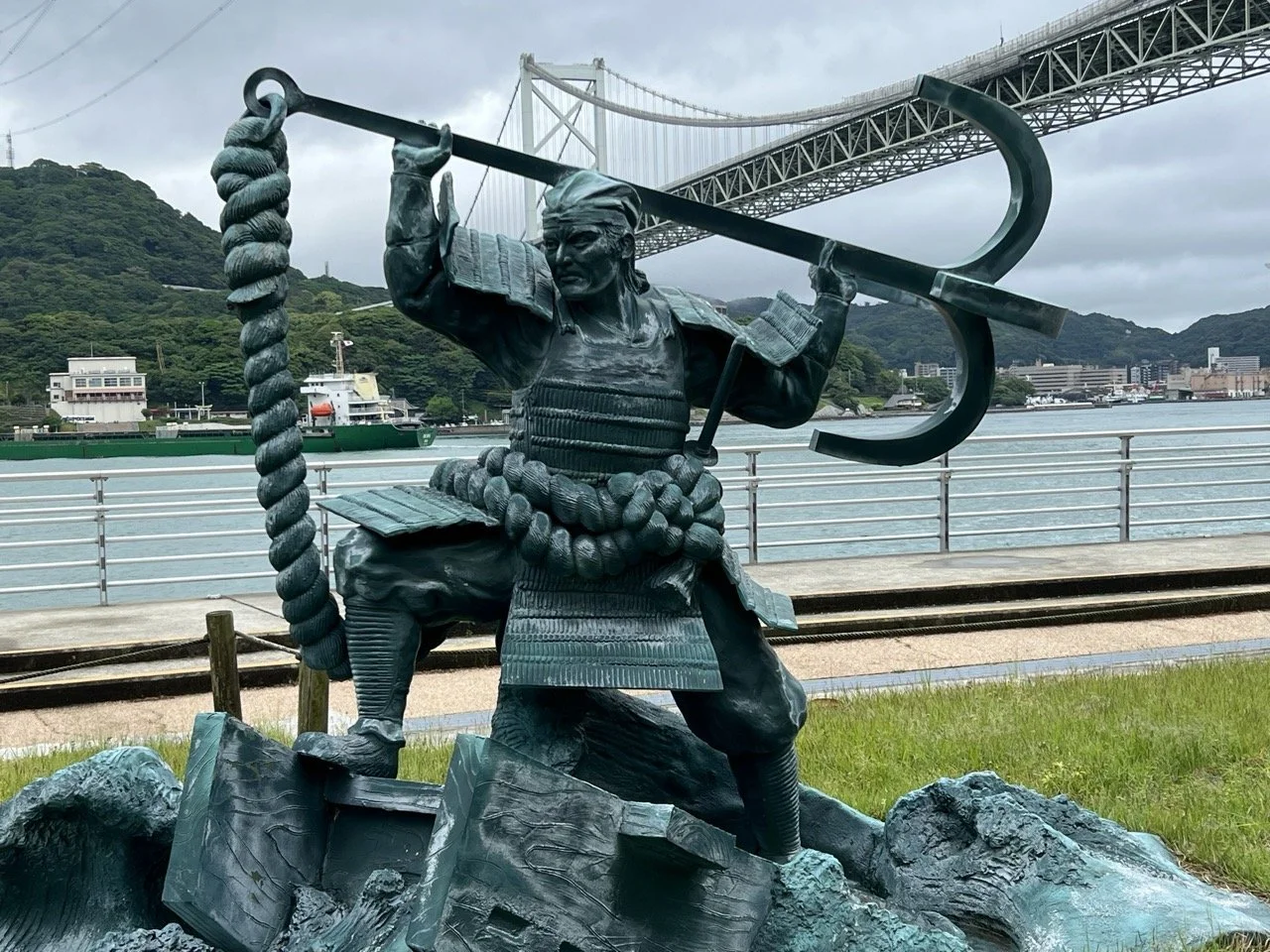
KANMON TUNNEL + SHIMONOSEKI (Sam & Ben Team Alpha Force)
Where: Shimonoseki, Yamaguchi Pref.
What: Yamaguchi’s largest city, a fishing port, and a collection of spots tied to some of the most consequential moments in Japanese history.
Details: Let’s start with the pedestrian Kanmon Tunnel, which is rightfully called out as awesome by Sam and Ben and is, in fact, super-duper awesome. Yes, you can walk from Honshu to Kyushu (or vice versa)! There’s a small charge for bringing a bicycle, but beyond that, you can walk across for free. The depth of the tunnel and the dampness of it do make the journey feel a bit spooky, but that’s fitting: the Kanmon Strait above is one of the most important waterways in Asia. For more than a millenium, this waterway has been the western end of Japan’s most important sea route, leading from Osaka via the Seto Inland Sea to Kyushu and the places beyond the Sea of Japan/Eastern Sea, including the Korean Peninsula and China. Even today, massive amounts of cargo ships running between spots like Osaka and Shanghai pass through here every single day. The role of the strait is reflected in Shimonoseki’s heritage itself; today the city is home to a significant community of Koreans (many of whom are descendents of people brought here from Korea when it was annexed by Japan between 1910 and 1945) and is the launching port for a popular sea route to Busan.
The importance of the strait is also why this spot has seen a lot of conflict throughout Japan’s history. This is where the Choshu Clan (future partners in the Meiji Restoration) would have a few battles with the Shogunate and their foreign supporters in the 1860s (spoiler: Choshu lost, but they would have the last laugh when they helped overthrow the Tokugawa later that decade). The cannons that Ben spots here are replicas from those battles. However, the most legendary battle that took place here is an ancient one: the Dannoura Battlefield next to where the cannons sit is where the Minamoto Clan took on the imperially-aligned Taira Clan and defeated them in the 1180s, ushering in the end of the Heian Period. That battle of Dannoura is one of the conflicts mentioned in the famous work The Tales of the Heike, which tells the tragic story of the Taira Clan’s fall from grace. Massive statues of famous figures in the battle (including the one above) line the shoreline and are extremely cool – almost like a recreation of a battle from the Samurai Warriors game series. Down the road is Akama Jingu, a shrine dedicated to those who died in the battle that is still tied to the imperial family and has a number of pools that evoke the sea battle whose figures are enshrined here.
The biggest draw for tourists to Shimonoseki is a culinary one: the Karato Fish Market and Kamon Wharf is the best place in Japan to enjoy one of their most infamous catches, Fugu(pufferfish). As you probably know from pop culture (e.g. The Simpsons), this is a fish with a lot of varieties that are considered poisonous, which means only chefs with tons of training are certified to prepare it. For fans of Fugu, visiting Shimonoseki can feel like a pilgrimage to the promised land; heck, even the mailboxes here are decorated with a pufferfish. Aside from fish, the large Korean population means that there’s a lot of great Korean food around the city as well.
Should you go? Shimonoseki is a great place to explore for a day or two. The people who should make time to come here: if you’re a fan of ancient Japanese history or Tales of the Heike, or if you want to have more amazing Korean cuisine and/or Fugu than the human stomach should reasonably be able to hold. ALSO: If you can be here in the summer when the fireworks displays happen, the experience is pure magic.
These last two locations are literally all we did on Day 9 of Omakase 2023! Check out the video below if you’re curious about what sorts of things we got into over there…
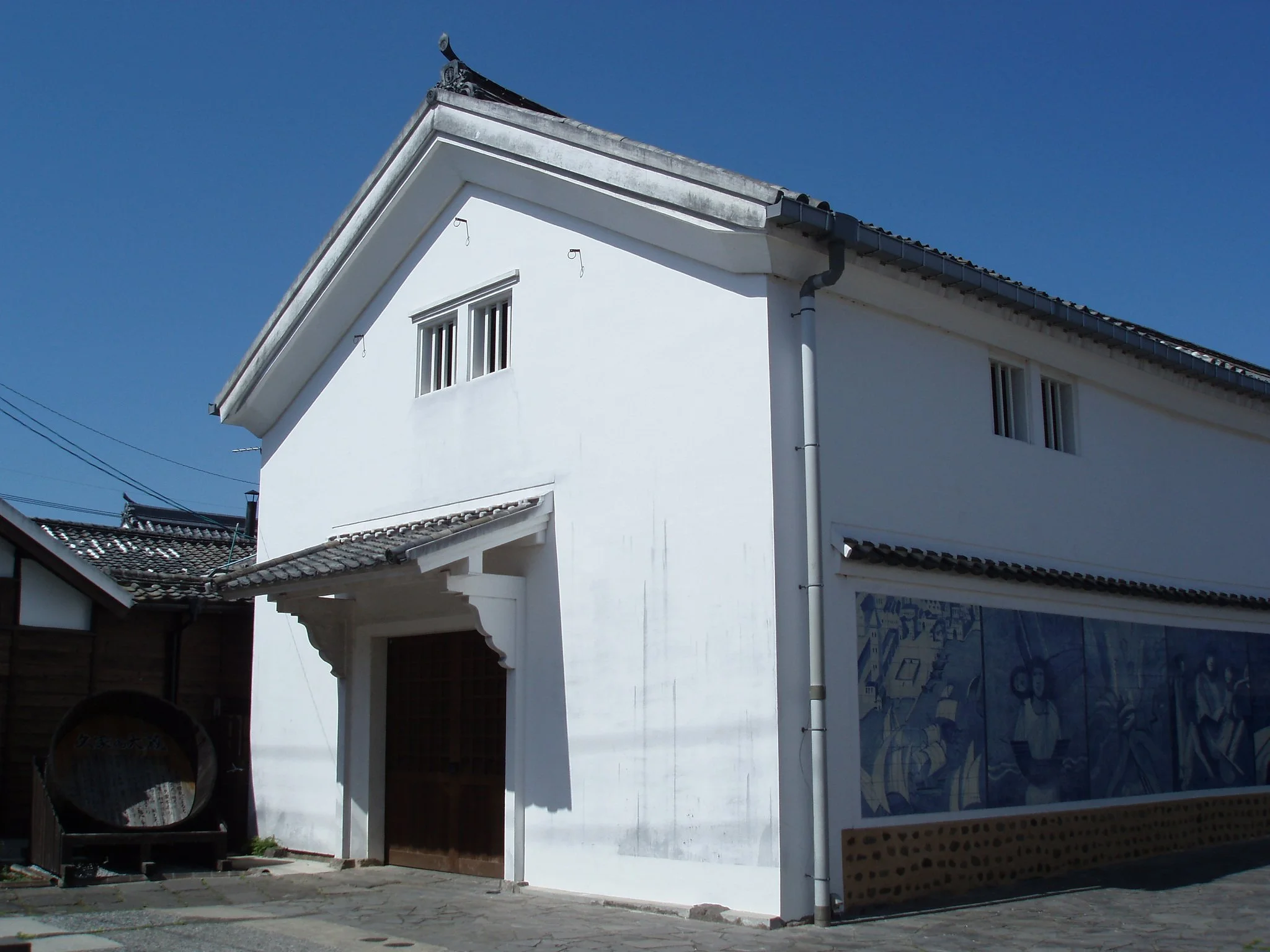
Credit to Oita Prefecture CVB
USUKI CITY (Adam & Tom)
Where: Usuki City, Oita Pref.
What: A quiet city in the southern part of Oita, best known for its heyday as a gateway to Shikoku and the spot where the first Dutch voyage to Japan arrived.
Details: Like many small towns with histories as trading ports, Usuki was once considered an important spot in the Bungo Province (one of Kyushu’s “nine kingdoms”). The city is one of the potential stopovers on our Kyushu Explorer trip next year, mainly because the center of town from the castle ruins to the river retains its old charms. Old storehouses still line the streets here, and the city remains a big producer of soy sauce, shochu, and other products with a history intertwined with the consumption of delicious things that used to swim.
Should you go? The old center of town, along with the well-maintained Kuge Storehouse (pictured), are really incredible to see in person. Pull through here if you’re really interested in Kyushu History, or maybe stroll by for fun if you’re coming from/going to the ferry. Hey, speaking of the ferry…
THE UWAJIMA UNYU FERRIES (Adam & Tom)
Where: The middle of the water between Oita Prefecture and Ehime Prefecture.
What: The fleet of passenger and car ferries shuttling people between Kyushu and Shikoku.
Details: Adam and Tom spend a good part of this episode chilling in and enjoying the ferry, which gives people like us a chance to talk about what we’ve long considered the most overlooked part of Japan’s awesome transport infrastructure. Allow me to cut to the chase: Japanese ferries rule.
As a nation of islands, Japan’s entire transport network – from Airports to Shinkansen lines – has had to deal with the notoriously difficult, mountainous terrain that defines the country. This is why ferries remain so important; while they are slow, they are an essential way for folks to get around. This is especially true for drivers; if you’re driving to southern Kyushu from western Shikoku, the ferry actually saves you time, plus spares you the hassle of going through a number of large Honshu cities where bottlenecks can form like Hiroshima and Kitakyushu. This is why, while all ferries in Japan take passengers on foot, these ferries are built to make it as easy as possible to drive on and off. On top of that, on the few busy routes that do have enough passengers, Japan has numerous passenger only ferry lines that utilize hydrofoil watercraft (usually the Boeing 929) to zip passengers over the water at driving speeds (or faster). While the slower, car-carrying ferries may sound like a hassle, in Japan they make up for their speed with the kinds of amenities that make a trip much more fun.
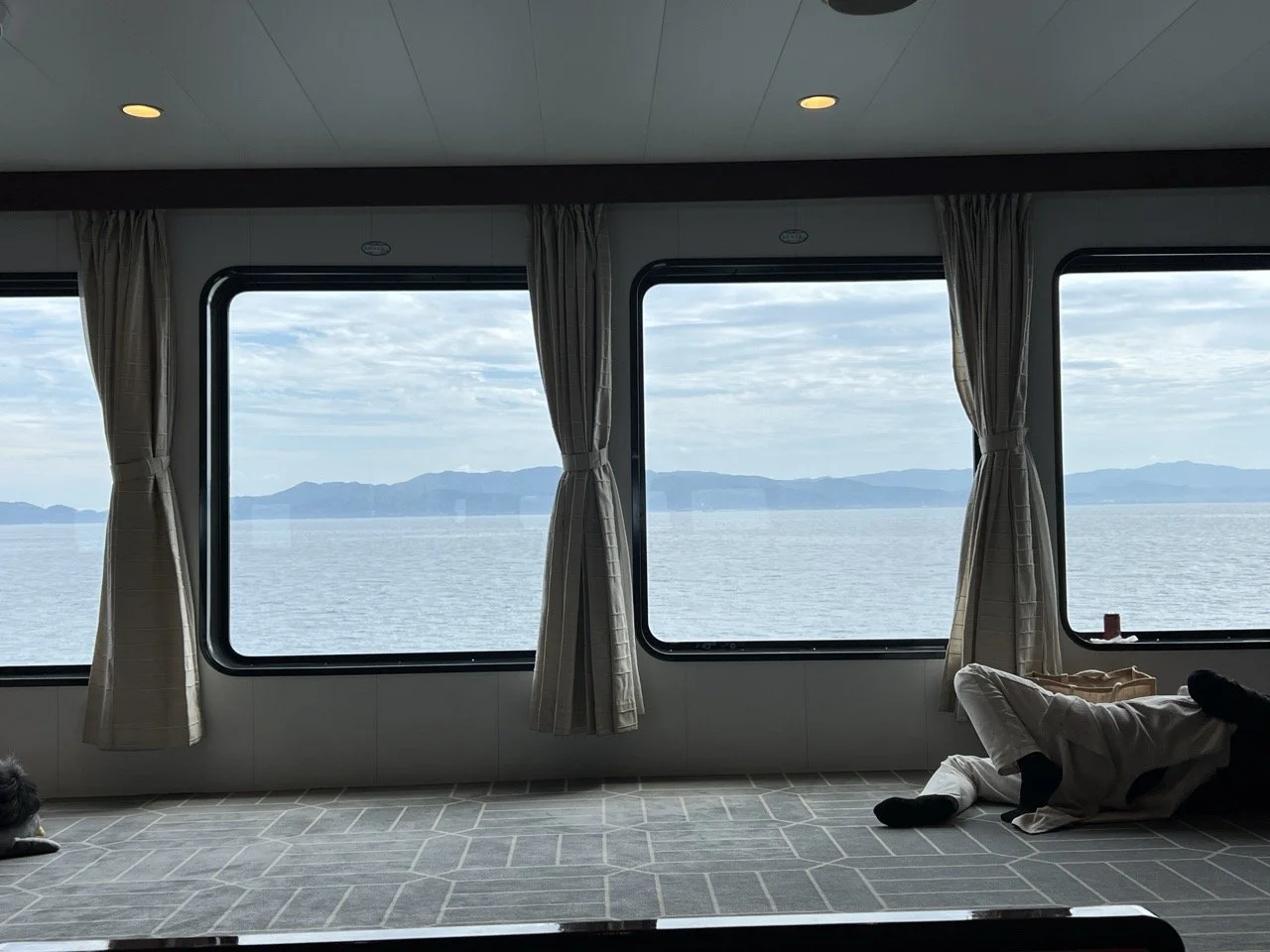
At PacSet, we’ve used the same ferry Adam and Tom use in this episode - the Uwajima Unyu Ferry – between Yawatahama and the hot spring town of Beppu; the route has long been the backbone of our southern Japan food adventure Taste of Shikoku Kyushu. Uwajima’s fleet is relatively new (their oldest vessel went into service in 2004), and they’ve spent a lot on making them nice. Ship amenities include a lot of coin-operated ways to unwind or have snacks, from vending machines to the massage chairs you see featured. There’s always a shop where you can buy stuff like drinks, hot snacks, and even meals, and a deck outdoors for those that want to sit outside and take in the view.
By and large, seating on ferries is sold by class. The basic “second class” seat isn’t actually a seat at all; it’s a raised space with carpet and faux leather square pillows. The idea is that you sit on the floor anywhere or, if you’re feeling sleepy, just take a nap. Last time, we just formed a circle and played a few hands of the card game Scout as we sailed to Beppu. Other classes offer better amenities; “Upper Second” class is usually a bunk bed, all the way up to first and “special” class seats that are essentially floating hotel rooms. These can get expensive, but they are in demand; besides, if you’re going to be on a boat for a long time, you might as well have cruise-esque accommodations, right?
Should you go ride? YES. It’s totally worth a ride if you’re heading in a direction a ferry is sailing.
I’d like to address the many people reading this who are picturing themselves hurling the contents of their stomach over the rail. Yes, seasickness can happen on these ferries. If you typically don’t get seasick, you’ll be fine here; the seas many ferries cross are a bit calmer than the open ocean. Relatively calm but popular ferry routes include the Usuki/Beppu-Yawatahama route, Tokushima to Wakayama, the Tokyo Bay Ferry between Kurihama and Kanaya (=the one to Mt. Nokogiri), Matsuyama to Hiroshima, and anything in the Seto Inland Sea (Shodoshima, Uno Port, Takamatsu, etc). That being said, if you do get ill, or if you are on a ferry that goes across the open ocean (e.g. Oarai to Tomakomai in Hokkaido), you may want to use a motion sickness patch or medicine as a precaution.
YAWATAHAMA PORT (Adam & Tom)
Where: Yawatahama City, Ehime Pref.
What: The biggest fish market in Shikoku and an amazing port town.
Details: I would like to avoid inviting any negativity into these guides, but hell with it: You know those people on the internet who insist that Toyosu and the Outer Tsukiji fish markets in Tokyo are the best fish markets in Japan? They’re wrong. Not only do you have places like Hakodate and Niigata with legendary fishies, you have places like this: a veritable Kirkland Signature™-sized portion of delicious things from the sea.
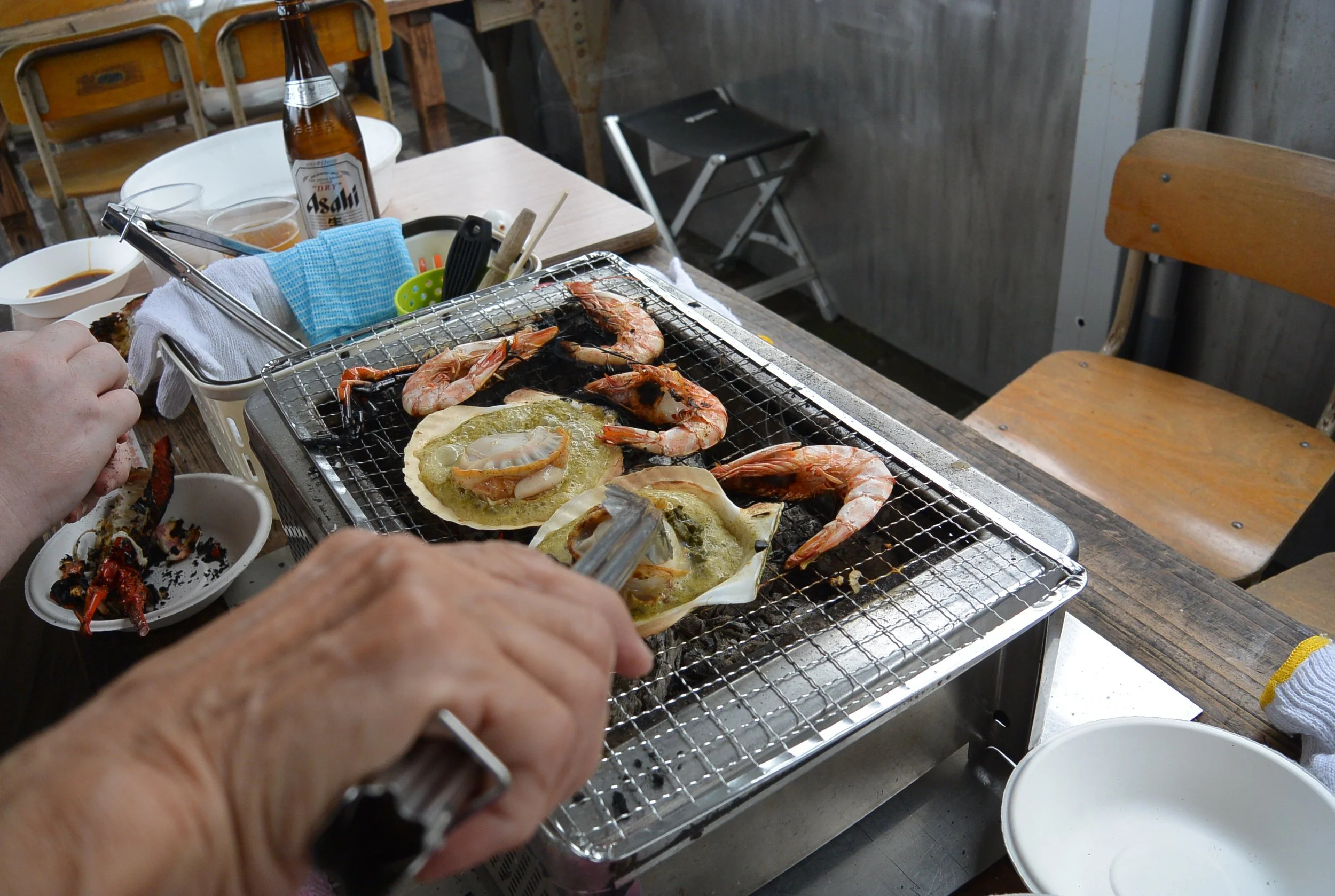
The best part of Yawatahama port and its Do-ya Ichiba Fish Market is how you (= the traveler) can go into the fish market, pick out any delicious thing you see, and then take it to the barbecue hut next door and grill it right there. Every food trip we’ve taken through here has involved a stop here, and for good reason; you sign up for grill time, buy whatever you want, and go to town. There’s drinks, condiments, and anything else you could need to make a meal for the most discerning fish lover.
“But Evan, I don’t even like fish!” Well, you’re in luck, because right next to the port on the hill, you’ll see field after field growing the thing that Ehime is most famous for: Mikan (Japanese mandarin oranges). Ehime’s citrus is world-class, and depending on the season, some of the fields a short taxi ride from the port have times where you can pick your own. There’s also a decent cafe and pizzeria next to the fish market as well.
Should you go? If you read all that stuff I just wrote and your mouth is watering, of course you should. Look at that shrimp, guys. Just look at those beautiful things. Oh, and I’m not kidding about those mikan either. Goodness gracious.
TSUZU (Sam & Ben Team Alpha Force)
Where: Iwakuni City, Yamaguchi Pref.
What: A small port area in the southern part of Iwakuni City.
Details: Iwakuni is best known for its mountaintop castle and the Kintaikyo (or “Glasses”) Bridge that spans the river approaching it. It’s also one of the spots where most of the Americans you see are less likely to be tourists; the city is home to a sizeable US Marine Corps base and airfield. Tsuzu is relatively quiet, but it does have one of the nicest beachfronts in the area, specifically the Glass Beach approach where a cute tunnel connects visitors to the picturesque waterfront.
Should you go? Iwakuni is well worth a visit, and if it’s the summertime, Tsuzu is a nice place to escape from the city heat and kick back a bit. Beyond that, it’s a town. Which is how our next city was described. However, we’d like to argue that it’s more than that.
MATSUYAMA (Adam & Tom)
Where: Matsuyama City, Ehime Prefecture
What: The capital of Ehime Prefecture and the largest city in Shikoku, a metropolis with cute trams, amazing food, and an original castle. Oh, and one of Japan’s most legendary hot springs. It sounds like the kind of place where you could spend a week and not get bored, right? That’s because it is!
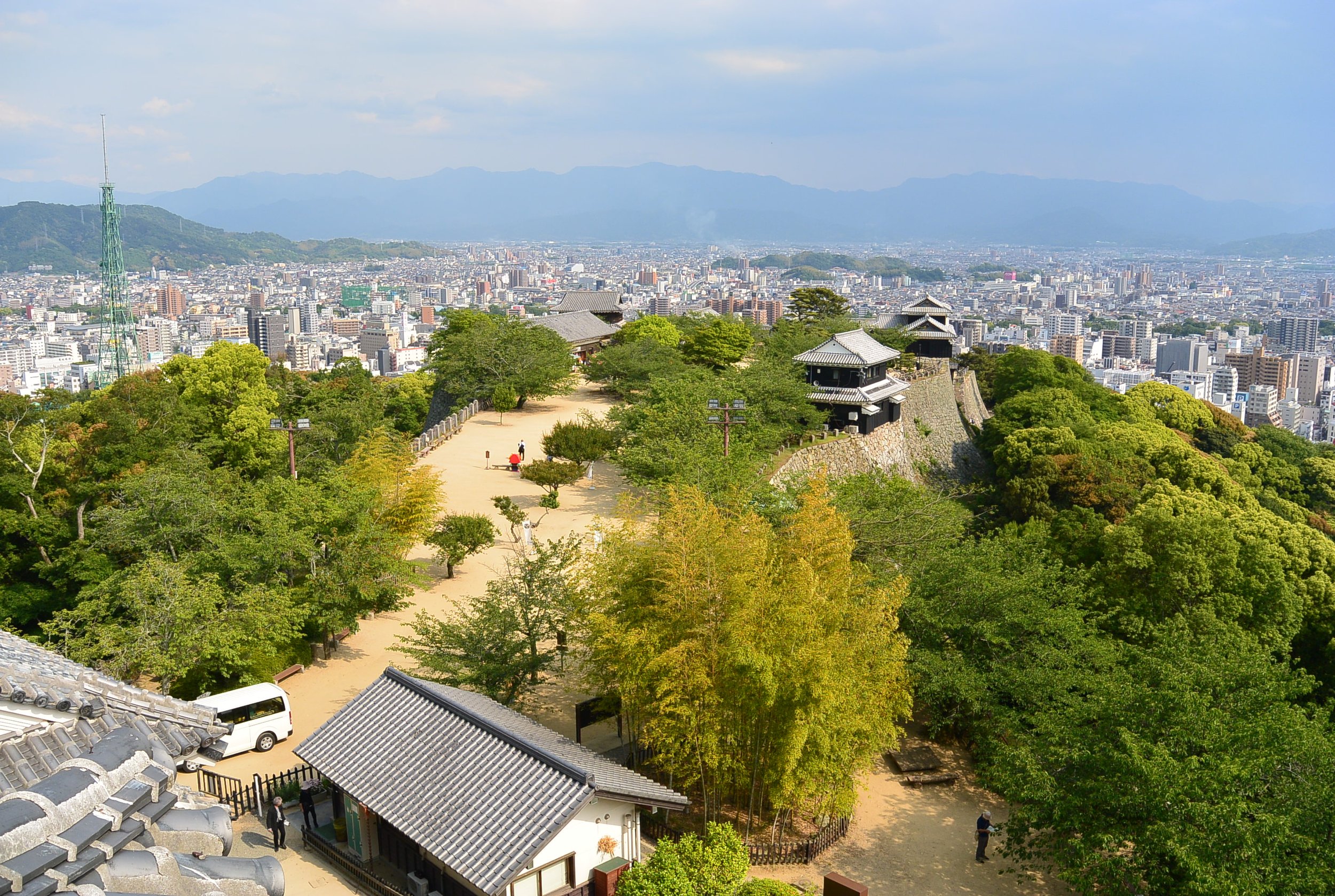
Details: Situated inland a bit, Matsuyama rests on a plain surrounding a small mountain in the middle of the city. That mountain is the reason the city became the place it is today: Matsuyama Castle, originally built by Kato Yoshiaki in 1602. The castle is remarkably well preserved, and the approach to get there is part of the joy. To get to the castle, visitors can take a chair lift up the side of the mountain to the top, which is not only fun, but hints at the good views awaiting at the top. And let me tell ya - the views are mind-blowing. The city lies to the south, but on a clear day, the north includes views of many small islands around the inland sea where you can cycle, fish, pick Mikan, and more.
Speaking of Mikan, the street leading to that lift also leads to the Okaido Shopping Arcade, where many of the city’s best restaurants lie. You’ll play games, enjoy snacks from hole-in-the-wall vendors, and if you like, drink. Don’t miss the Taimeshi (local red snapper over rice) and the Mikan Juice, sold at many outlets (there are a few that even serve multiple kinds of juice in flights! Really!). Just a few minutes away is Matsuyama-shi Station, the lynchpin of the local Iyotetsu Railway, which includes a giant mall with a huge ferris wheel and even more shops to explore. In the episode, this is where the game day starts and where Tom is recognized.
We haven’t even discussed the other location of note here: Dogo Onsen, one of Japan’s oldest hot springs, is on the east side. The original onsen building is a historical property that was also cited as an inspiration for some of the buildings in the Ghibli film Spirited Away, but the baths are still operational and yes, you can visit them! Just outside is the Hikara Arcade, home to satellite/updated bath locations, not to mention desserts, a park with old samurai homes you can visit, an excellent microbrewery, a shrine with a magnificent view, and enough resorts to house a small state or province. I could go on, but I think you all get the idea here: this is a magnificent city with something for everyone, and it’s way too overlooked. You can change that. Heck, join us and we can change it together. Please join us; I dream of that mikan juice flight every day.
Should you go? While we at PacSet try to be diplomatic with our suggestions, I sincerely can’t think of a reason anyone would not love this city. If you are anywhere near Matsuyama, or if anything I’ve written above has caught your eye, pack your bags! Or hey, just join us when we go next year.
Just across the sea from Matsuyama lies a city that’s a bit more famous…
HIROSHIMA (Sam & Ben Team Alpha Force)
Where: Hiroshima City, Hiroshima Pref.
What: A major metropolis; the largest city between Fukuoka and Osaka along this route. Famous for its food, its industry, and (unfortunately) one of the darkest chapters written at the end of World War II.
Details: Trying to summarize everything a city with a million people has to offer is remarkably difficult, but we’ll give it a spin: Hiroshima sits on a plain that stretches into the Seto Inland Sea facing Shikoku. With rivers running everywhere but relatively few mountains in the center of the city, it’s a place so perfect for a city that its genesis was a foregone conclusion. The highlights are numerous: a port with ferries to everywhere, the very famous Miyajima Island and its floating shrine gate just outside the city, the local Okonomiyaki, the die-hard Hiroshima Carp fans watching their team play, the Hondori and adjacent shopping areas filled with every food and drink you could imagine, a replica of a famous castle, museums, and so much more– all combined by the largest tram and streetcar network (= not a subway) in Japan. Whew!
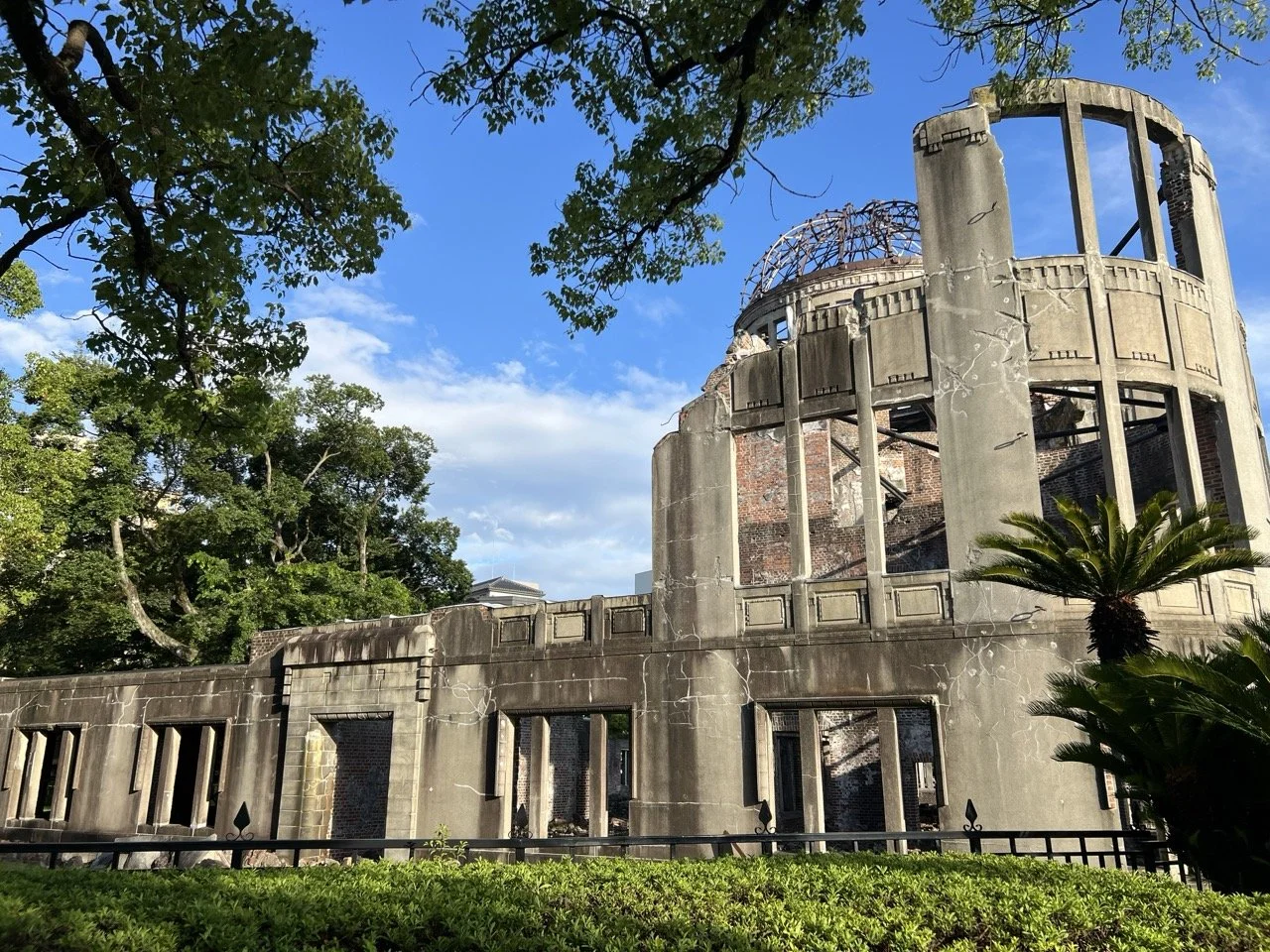
Hiroshima is also the site of the world’s first detonation of a nuclear bomb on a human population. The mark of the A-Bomb on the city is impossible to ignore – so much so that some people write the city off because they “don’t want to be depressed.” And that, my friends, is a huge mistake. The A-bomb Dome really is a must-see spot, not just to reflect on what happened, but to then visit the nearby Peace Park, Peace Museum, and other park locations before emerging into this magnificent city and realizing that, despite everything, these people not only rebuilt their home but succeeded in making it one of the most welcoming, fun places in all of Japan. I know that might sound a little disorienting to some of you, but it’s true; every trip we’ve taken here has involved a little darkness, but we have yet to meet anyone who still didn’t come away from Hiroshima loving the time they spent here. It’s a city that reminds us that history can be dark, but that history is also filled with tales of triumph over adversity and the will of peace bending the arc of history in a better direction.
The only place Sam and Ben make it to in this episode is the new Hiroshima Station complex, but considering that it’s Sam who goes, I’m a little bummed he didn’t get to see the new tram platform. Late last year, Hiroshima made the biggest change to its local tram system in over 100 years: they moved the end point for its entire tram network to an incline station within Hiroshima Station, letting people more or less shuffle in and out of JR Hiroshima Station very quickly. It was one of the most detailed, intricate transit projects in the city’s history, and it also led to the construction of a number of new malls, including the one where the cat cafe visited by Sam and Ben is. If you make the trek to Hiroshima, we suggest wandering through the new complex at the south side of the station; it’s massive.
Should you go? I mean, we’re biased, but yes – Hiroshima is one of those spots with a little something for everyone. A definite winner.
SAIJO (Team Sam & Ben Team Alpha Force)
Where: Higashi-Hiroshima City, Hiroshima Prefecture
What: A fabulous mountain town best known for producing some of the region’s best Sake.
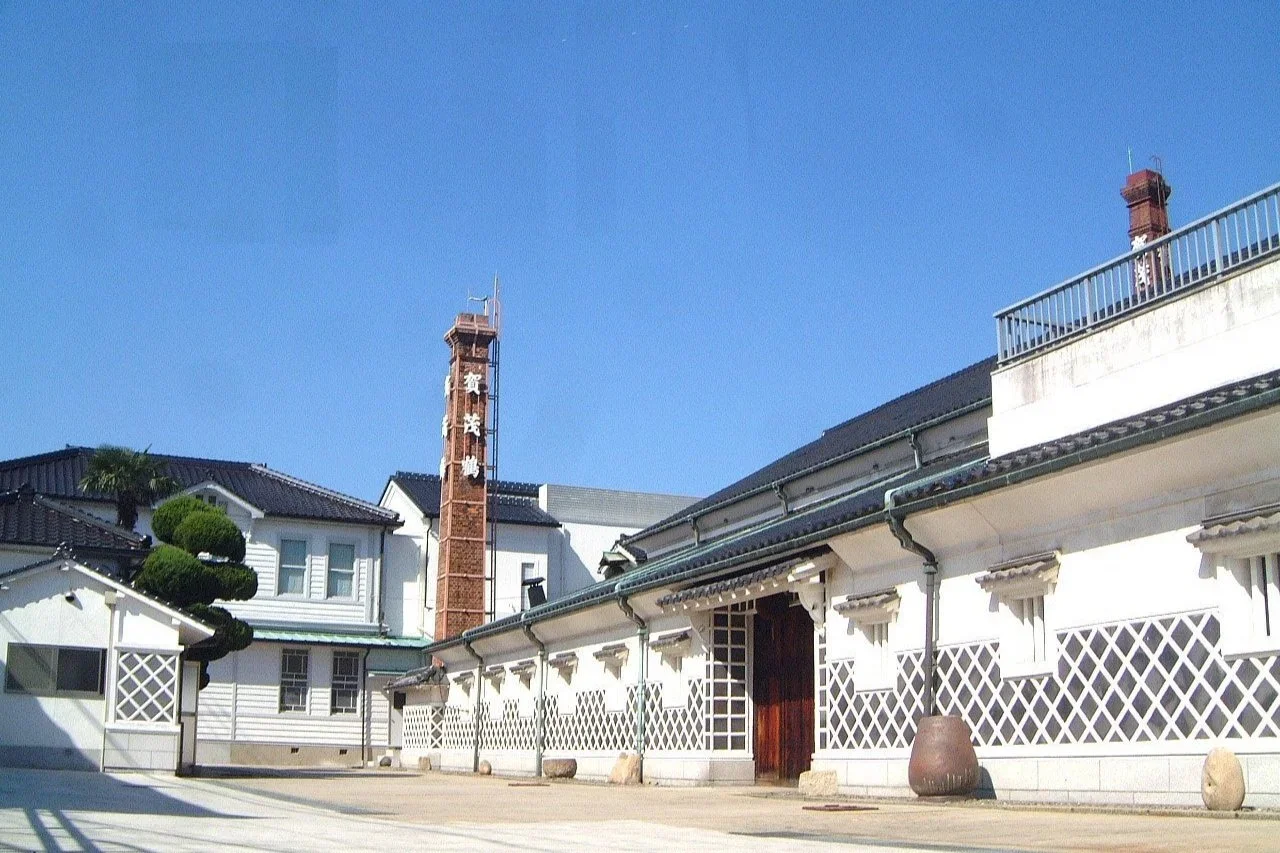
Details: Saijo was gappei-ed (=the combination of towns to form a larger city. We’ll talk about it some other time…) into the new “East Hiroshima” a while back, but the area is still known as Saijo to locals and travelers alike and is legendary for one reason: the sake is epic. This is the city where our friend Greg (occasional PacSet guide and owner of Sake Secret in Long Beach) first really got into sake during his time living here. The breweries are the big highlight of the city: they stretch down an avenue leading away from the station to the east, offering a dizzying variety of brews made with every kind of sake rice you could possibly imagine. The entire city comes out for the big Sake Festival in the fall, which we’ll be featuring on a trip in late 2027 (watch this space). Aside from the Sake, the city has a decent art museum and a lot of local izakayas that sell tasty goodies to go with the brews.
Should you go? If you are a fan of sake, move Saijo closer to the top of your “must” list.
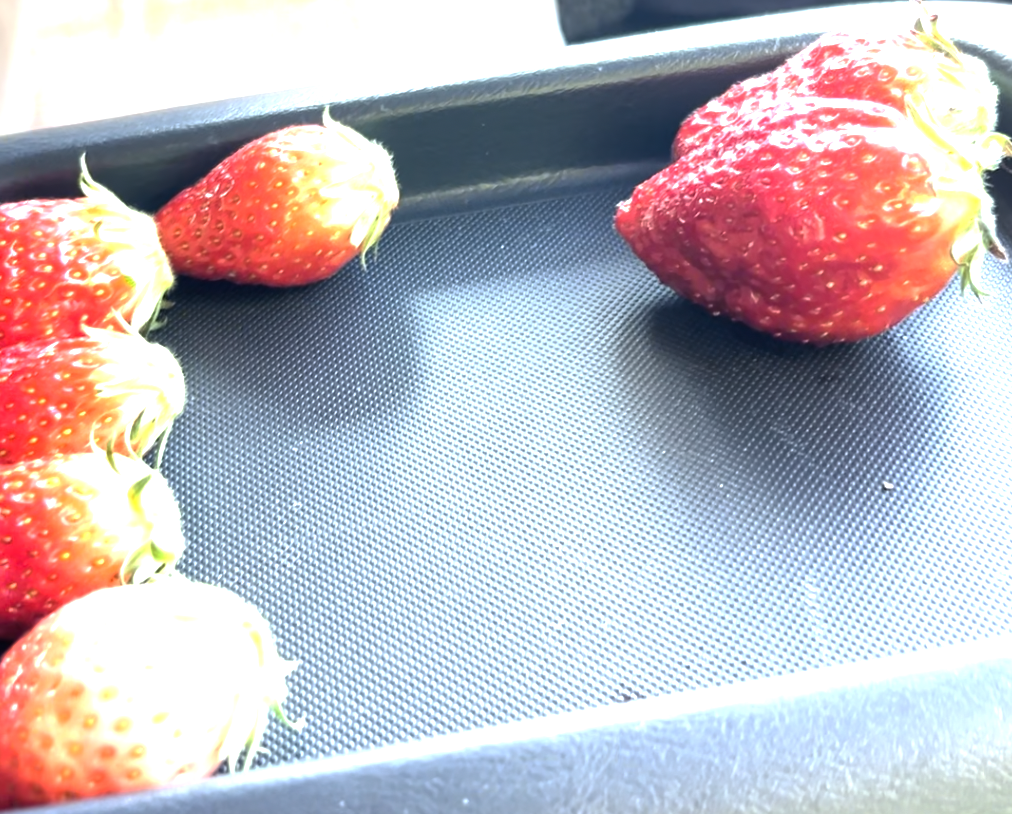
STRAWBERRY PICKING
We wanted to highlight the strawberry picking challenge this week – not just because it’s a cute idea, but because 1) you can do it many spots in the spring time and 2) Japanese strawberries really are as amazing as everyone says they are. This picture includes just a fraction of the haul from Spring Special earlier this year, and yeah – we went a bit ham with the berries, to put it lightly. The best farms for berries are in Shikoku and rural Hiroshima/Okayama prefectures, or in Tochigi to the north of Tokyo.
GETTING RECOGNIZED
Before I dive into the random notes, we at PacSet wanted to toss a quick note in about the scene in which Tom Scott gets recognized outside Matsuyama-shi station. While there is a large contingent of people online who continue to insist that the only places one needs to go in Japan are Tokyo, Kyoto, Osaka and so on, there are many travelers, groups, and companies like ours that know that’s not true – and many of those people are Jet Lag: The Game fans like we are, so we’re happy to see Tom get spotted so quickly. :)
Aside from that, we think it’s worth mentioning that while Japan’s YouTube scene isn’t that familiar with the show (we aren’t aware of any human-curated Japanese subtitles for Jet Lag:TG), Japan’s travel YouTube community is massive and some of them are definitely aware of it. There are an almost endless number of Japanese YouTube channels (our fave remains the OG of train nerd YouTube, Suit Train) that have tried to provide some of their materials in English to cater to tourists going to Japan, and I sincerely hope that we’ll see some collaboration between the travel-centric YT channels in the future. We volunteer to serve as interpreters as needed if we aren’t leading a group at the time.
Random Notes
Yes Adam, you do look cool in that warp pipe.
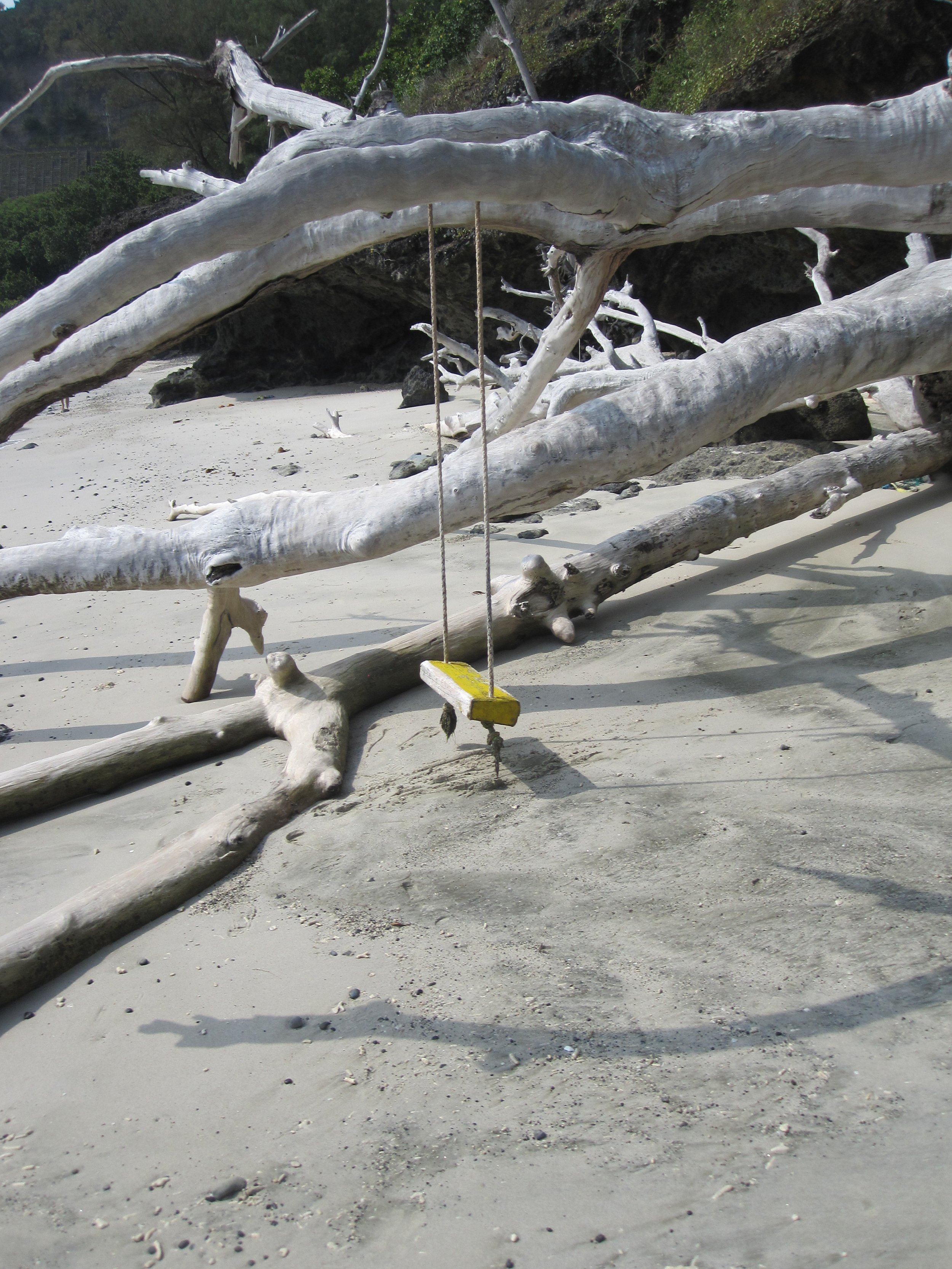
An aside about the crab scene: there are small tiny crabs in lots of spots all over Japan. They’re EVERYWHERE. They actually chased us through a forest near the beach pictured here on our Lost Islands trip to Ogasawara. And yeah, it was a little creepy.
We at PacSet can also attest to the quality of Japanese massage chairs. Aside from the hot spring suites we use that have them, the fine folks at Daiwa Roynet gave us the chairs for our 2022 Japan Holiday/Lords of The Trident tour, which was phenomenal. Those chairs come clutch after coming home after midnight from a power metal concert in a tiny Nagoya venue.
Snack Zone note: If you’re feeling the effects of heat exhaustion we saw last week, Pocari Sweat is EXACTLY what you need. That, water, and something with protein.
Getting into the Shimenawa scene and whether it was bad/good/okay for Ben to flip bottles by the Shimenawa: count us in the “eh?” category. I (Evan) personally avoid doing stuff like this near temples and shrines simply because there might be someone who is uptight about it, or someone whose mind is colored by media stereotypes of misbehaving foreigners, and I think I speak for the rest of us here when I say we don’t want to deal with that. We had a moment on this year’s Spring Special trip where a local woman harassed us to move out of a parking spot we were standing in – not because we were in the wrong, but because she had an axe to grind. STILL: the fact that this was done in Tsuzu in a really quiet rural area probably makes it more okay, since Ben wasn’t really in anyone’s way. The fact that Sam, Ben, Adam, and the production team have gone above and beyond to blur faces and do their homework on what is and isn’t culturally appropriate are why Jet Lag: The Game should be recognized as one of the best programs of this kind out there.
Note re: The Layover: was bummed to hear that the boys ended up in a Smoking Room at the Toyoko Inn. We’ve been there, friends. Oh dear GOD have we been there.
PacSet and myself would like to thank the boys for the lovely bonus cat footage from the cat cafe. Cat footy is something we live for in these parts. ❤️
Two episodes down and many more to go! We’ll be back next week. Special shout out to the handful of people on the Jetlag:TG Discord who have been reading; happy to have y’all along for the ride.