
PacSet Field Guide to Jetlag: TG Japanorama Ep. 4
Welcome back to our field guide to Jetlag: The Game: Japanorama. Can you believe we’re halfway through this thing? Before we get into this week’s episode, let’s run over those ground rules and such that you all enjoy.

This is the field guide for episode 4. Previous guides are linked here: Episode 1 • Episode 2 • Episode 3
Once again, these posts are going to have SPOILERS for the episodes, so if you haven’t seen the episode we’re talking about yet, please watch it and then come back to this piece. As always, we’re going to drop an image below this paragraph that has nothing to do with the episode. This week, we offer a fabulous Pompompurin train set we saw on Spring Special this year. It’s cute, adorable, features a cartoonlike version of a sea creature the locals like to eat, and offers some cool pastels that are pleasing to the eye. Please accept this delicate bouquet of transit efficiency combined with that classic Sanrio™ flavor – a combination sure to please the most discerning palate. Dine on this cuteness with your eyes, knowing full well that you dine on spoilers if you continue to read after this picture.
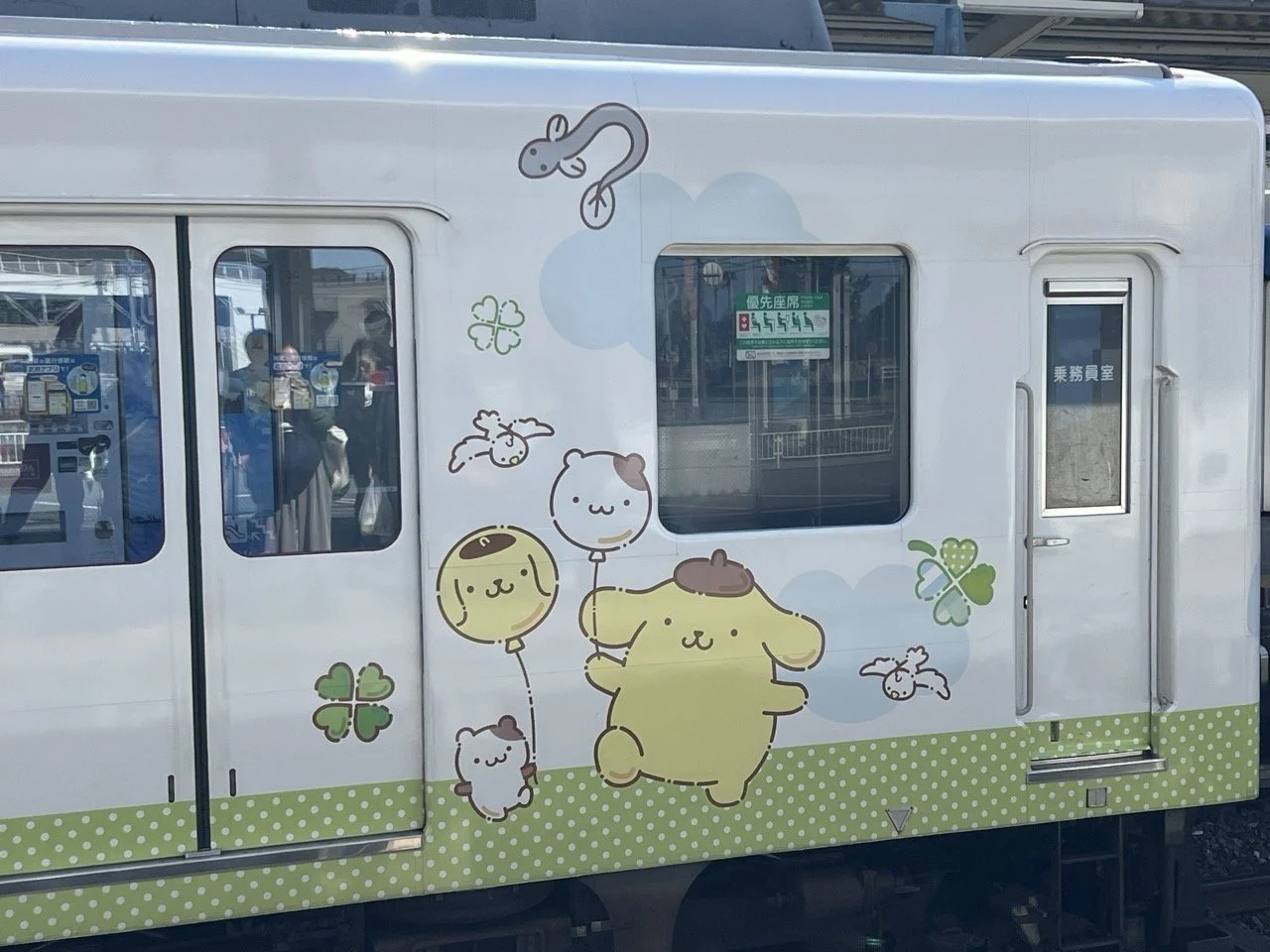
Bon appétit.
THE RULES FOR THESE GUIDES:
We are not here to “Well, Actually” the game. Although I do “well actually” a pretty relevant fact in the notes this week related to a comment from The Layover. Nothing about gameplay, though.
We are just here to talk about the cool places featured in the game. We love these places, we want to share them with others, the boys are doing so through the game, so we’re just contributing to the fun.
We’ll toss in some stray/fun observations at the end. There’s a bunch of over-tourism talk this week, but I promise the rest of the observations will be as fluffy as a Pompompurin.
Each location we talk about will feature a bit about where it is, the history/details, and whether you should go or not. We’ll also have a “Pick of the Week” in there. There will also be links to our trips here and there, because the AI robots are trying to take our jobs and we would really like it if you traveled with us humans. We are a lot more fun than whatever Sam Altman’s Cylon is.
As expected, this week’s field guide will be a bit skinnier, but I (Evan) wrote a bit too much on over-tourism at the end to balance it out. Okay, maybe less “balance” since the over-tourism horse has been beaten to death and the dialogue around it is so poisonous that it makes American political discourse look reasonable (just kidding! It’s not THAT bad… yet).
We begin with Japan’s “second city”...
EPISODE 4: BAMBOOZLED
OSAKA (Both Teams)
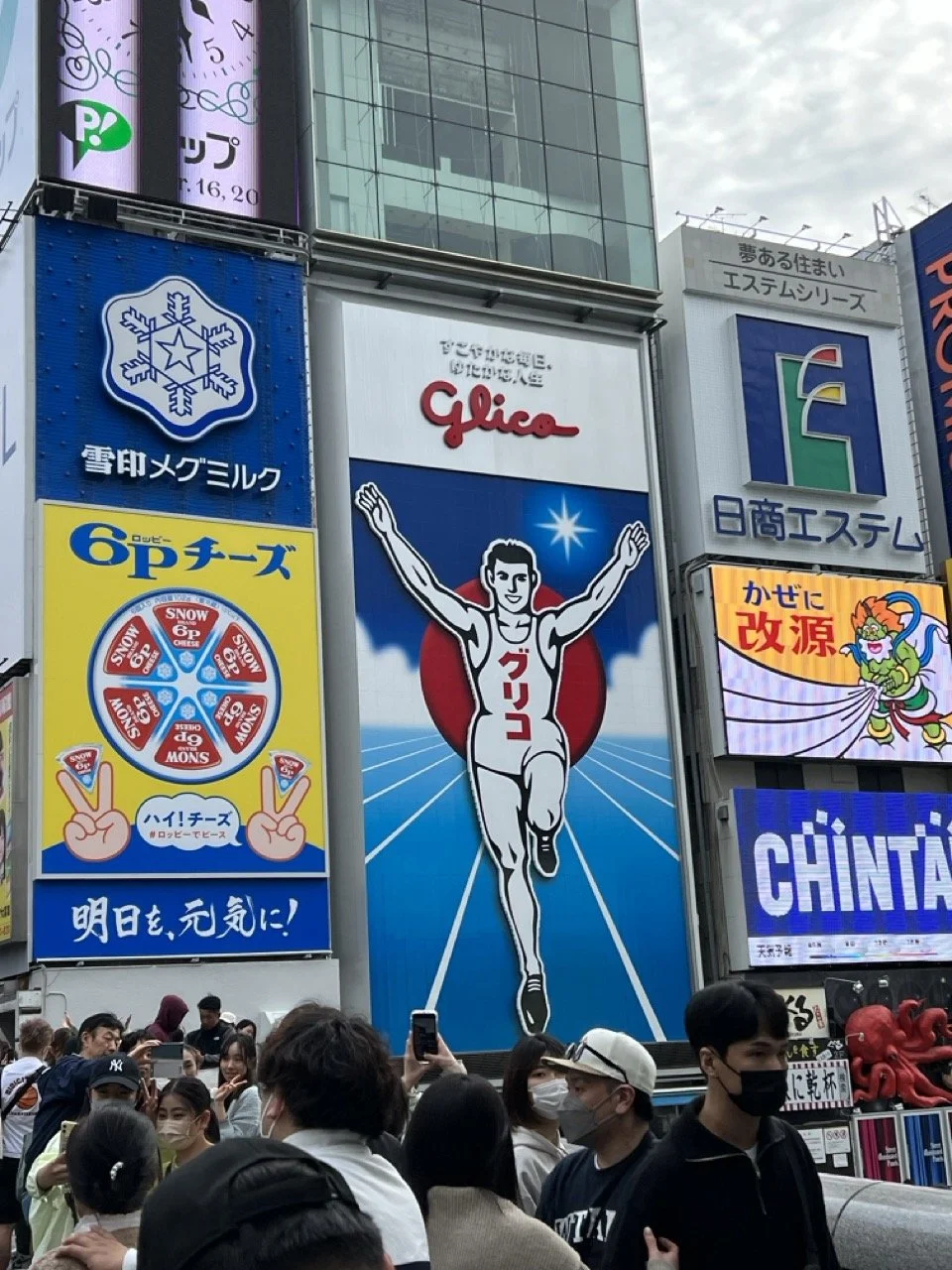
Where: Osaka City, Osaka Prefecture
What: Former merchant-centric city and seat of power for the Toyotomi Clan, now the Japanese capital of guilt-inducing food, comedy, fun, and everything in between.
Details: Trying to summarize the importance and cultural weight of Osaka (and Kyoto, for that matter) in this space would be a fool’s errand, but let’s start with the basics: Osaka Prefecture includes a smattering of surrounding cities, but most of the space within its borders is the city of Osaka proper. It’s the main city in the surrounding urban area that stretches into a bunch of neighboring cities and prefectures (better known as the Kansai region), many of which are rather huge on their own. Those cities include: Kyoto, Kobe, Nara, Wakayama, Sakai, and a massive number of smaller towns and suburbs. If you want to visit many of the cities I just listed, this is probably the place you want to stay.
The city center has always been organized around a series of avenues (or suji) and bridges over existing (and no longer existing) rivers and canals. As the city was considered the main east end of the trade routes along the Seto Inland Sea, Osaka has always been a place tied to blue-collar work, which continues to define the character of the city to this day. The city’s most famous ruler was the daimyo who first succeeded in unifying Japan in the warring states period, Toyotomi Hideyoshi. A reconstruction of Osaka Castle still sits prominently in the middle of the city and is well worth a visit if you want to learn more about the history of the region.
The dense network of avenues running among the suji of the city are also its main draw. In the center of the city sits Namba and Dotombori, home to much of the haunts selling the city’s famous cuisine, including Takoyaki and Okonomiyaki. On the southern end of Namba is Ota Road, Osaka’s home to Anime goods and other pop culture fare. If you go north instead, you’ll end up in the trendy malls around Shinsaibashi and Amerika-mura, home to a dense collection of vintage clothing dealers, live houses, and nightclubs. A network of covered shopping arcades tying the area together measures more than a kilometer, which is impressive, but it’s not as long as the Tenjinbashi arcades on the northeast end of the city (2.5 km).
The north end of the city is anchored by Umeda, home to Osaka station and a number of upscale malls built to cater to both locals and the considerable stream of commuters that flow in and out of the city here. The area is connected via a really huge collection of underground malls (which also connect all the rail and subway stations here). Kitashinchi is by the southern end of those malls, and it’s where you’ll find most of the upscale dining and drinking in the city, including a lot of Osaka’s best sushi establishments. Other highlights in Osaka is the Tsuruhashi neighborhood (Japan’s largest Korean neighborhood), the Tennoji Temple and nearby zoo, Tsutenkaku Tower and the surrounding collection of cheap restaurants, and much more in every conceivable direction. Seriously, I could go on for five more paragraphs here listing neighborhoods, but we have to move this thing along…
Should you go? Absolutely yes. If you want to avoid the masses of tourists, you might want to skip Dotombori and point your compass towards Tenjinbashi and Umeda.
And hey, when the urban neon starts getting overwhelming, you can head to the prefecture’s surprisingly nice park and Onsen area to the north. That place is our pick of the week, and it’s called…
MINO-O/MINOH (Sam & Ben Team Alpha Force)
Where: Minoh City, Osaka Prefecture
What: A city on the northern end of Osaka that has some really remarkable views, hot springs, and a laid back vibe. The city name can also be written as “Mino-o” since the end of the word in Japanese is a double O, but writing that way would make it sound awkward/like “oooh” in English. Language is fun.
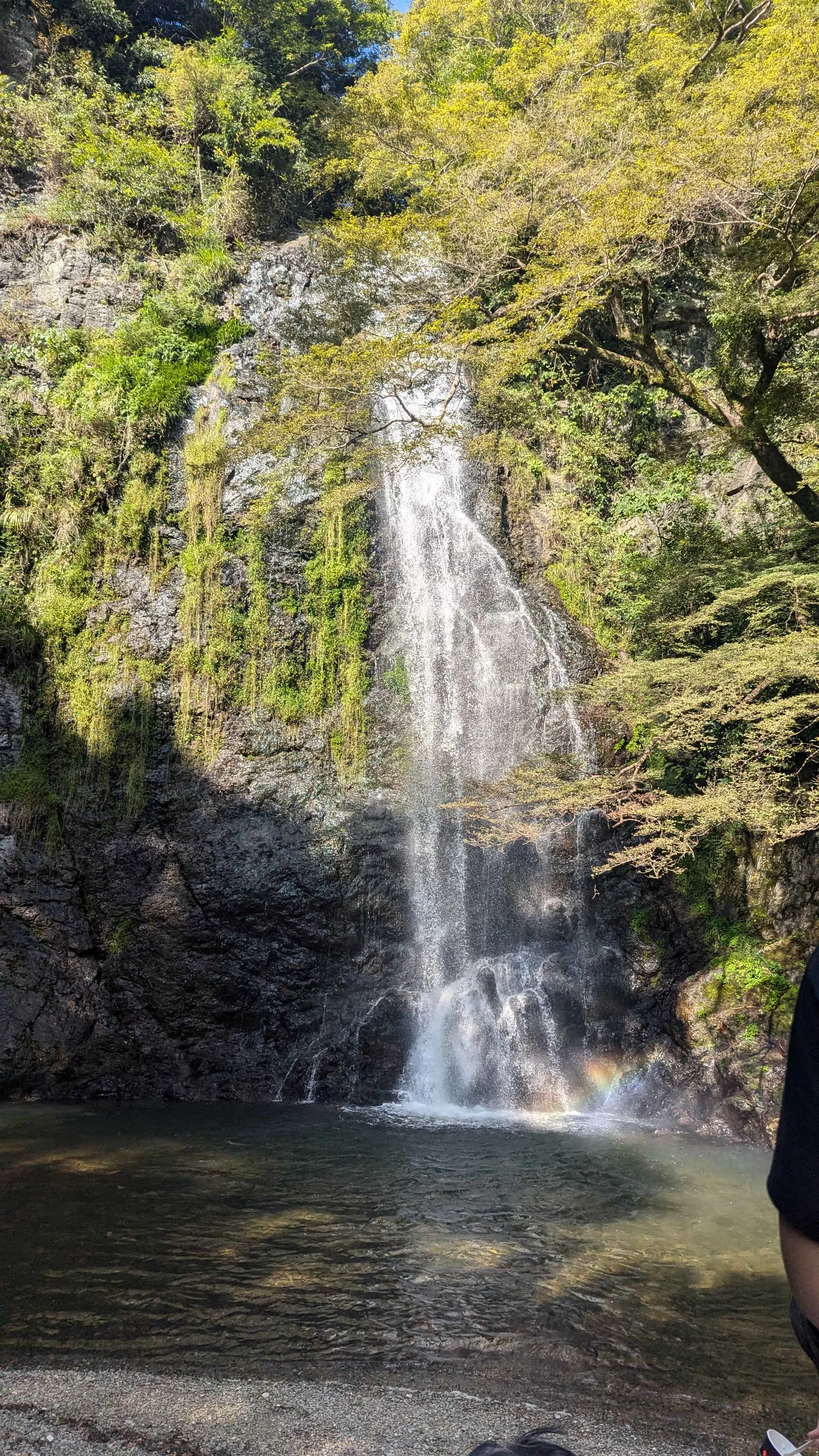
Details: We see Minoh in the episode since this is where Sam and Ben complete the sushi challenge, but there’s way, way more to Minoh than cheap fish. The biggest difference between the landscapes of Kanto (=Tokyo, Yokohama, Chiba, Saitama, etc.) and Kansai is the proximity of the nearby mountains. I talked about this last week regarding Kobe, and I’ll be mentioning it again when we get to Kyoto, but Osaka’s closest scenic mountains are here – and well worth a visit. This spot is among the best kept secrets in Kansai; a place where the views are great, the hot springs are nice, the food is phenomenal, and it’s all just a quick ride on the Hankyu Railway away.
While taking the Osaka Metro/Kita-Osaka Kyuko Line will put you in the suburban mall area where Ben and Sam went, you’ll want to take Hankyu to Mino-o to see what really makes this place special. A quick walk from the station north puts visitors on a winding path up the mountain that passes traditional sweets vendors, souvenir shops, noodle joints, and more. You’ll pass an elevator on the left (yes, elevator) that leads to the Minoh location of the Oedo Onsen Monogatari chain of hot springs, but you can also just take the elevator up if you want to take in panoramic views of the entire Kansai area on a clear day.
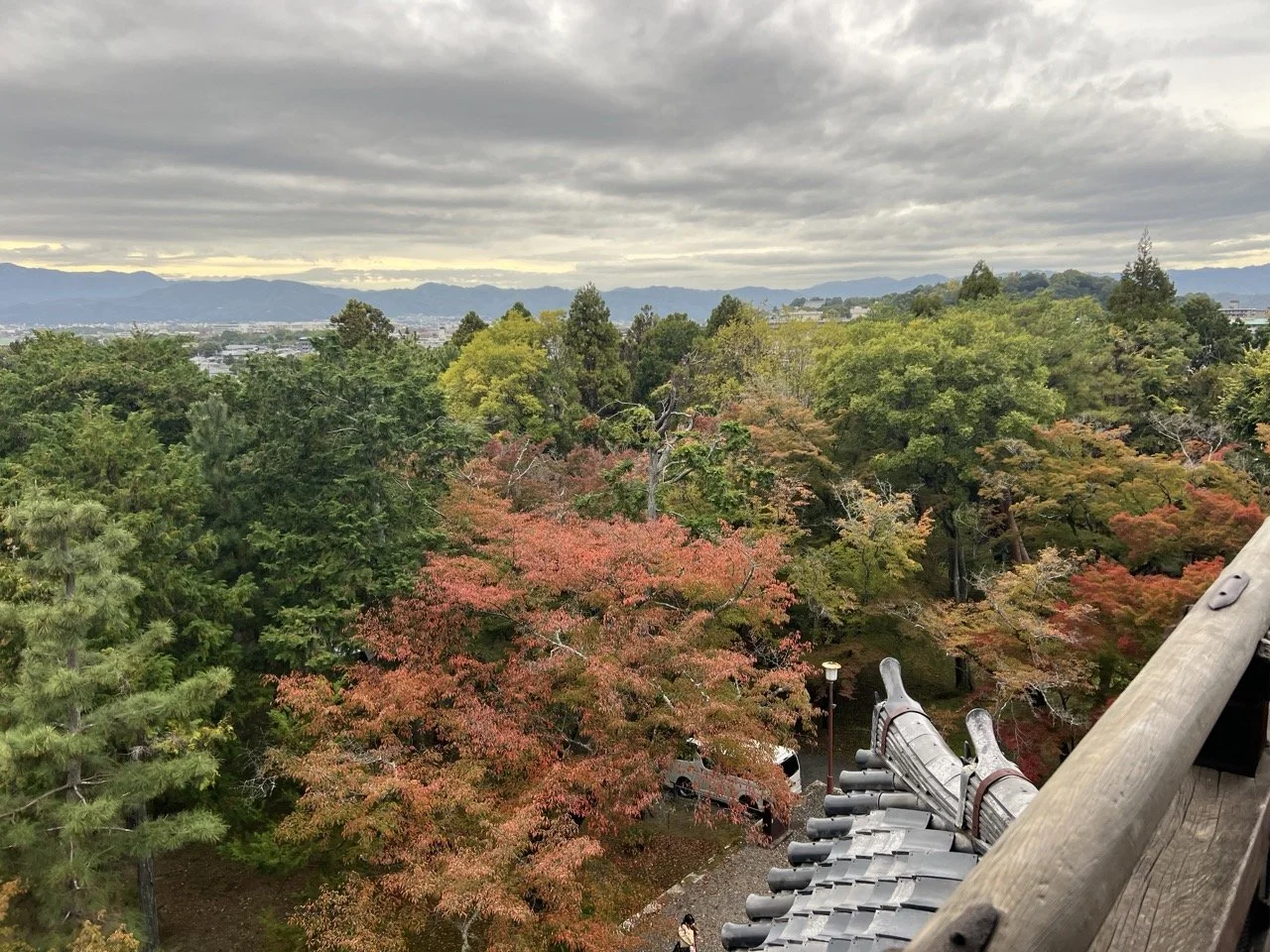
If you stick to the path, you’ll find yourself winding your way towards Minoh Park, which is downright magical when the fall colors are out. Continuing along the path you’ll see tea houses and numerous ryokan before getting to the main draw: Minoh Falls, a popular place for nature lovers and shutterbugs alike. It’s a little slice of under-touristed magic, and if you’re a fast hiker and head out early, you’ll have time to get back to the city in time for dinner.
Should you go? If you’re stuck with a group of friends who are addicted to the city, take a day for yourself and head to Minoh; you won’t be disappointed. If you’re traveling in November or early December, definitely make the time, because the leaves are very, very pretty.
KAITEN SUSHI (Sam & Ben Team Alpha Force)
Where: All over Japan.
What: The cool sushi places where sushi shows up on a conveyor belt, or ordered from a digital tablet.
Details: Ben and Sam completing the sushi challenge in Osaka feels a bit like fate, since Osaka is also the spot where Kaiten (revolving) sushi first began. The concept was created by the owner of a tachigui (stand and eat) sushi restaurant in 1958 who was inspired by the conveyor belts used in beer production, and the rest is history. The restaurants quickly spread across Japan as a place to enjoy sushi at a reasonable price. The next big innovation in the space would end up solving a problem that would crop up later; in the early 2000s, a few large kaiten chains started adding interactive screens through which guests can order their own sushi and receive it on their own conveyor, often on a tray that looks like a shinkansen train set. These screens proliferated and existed in tandem with the belts until 2023, when most of the belts were abandoned and screen ordering became the norm. The boys talk about the incident that led to this change on The Layover; some boys shooting videos for social media were taking films of themselves licking soy sauce bottles and passing them along the belts. However, the belts were becoming a nuisance in other ways; many locals and tourists alike got into trouble by setting their own cameras on the belt and letting it film other seats and tables as it traveled around each restaurant. These days, most kaiten sushi places serve solely via tablets.
The greatest aspect of going to Kaiten Sushi is the variety; it’s a place where you really can try a little of everything. While some chains remain rather generic, smaller local sushi establishments (especially in port towns and similar spots, like Niigata City and Otaru, Hokkaido) still specialize in taking the catch of the day and letting everyone have a chance to get it for a decent price. Furthermore, even if you don’t like a fish, it’s not a huge commitment to order a small plate of something to see if it fits your palate. Modern kaiten chains have long since expanded beyond fish into more subversive styles of sushi. Since “sushi” technically refers to the rice and not the fish or how raw/cooked it is, Kaiten Sushi chains have led the way in creating things like “mayo shrimp” sushi, “wagyu” sushi, and yes, even the little hamburgers that Sam enjoys.
Should you go? Even if you are planning on going to an upscale sushi place on your trip, or having an upscale omakase, you should still swing through a Kaiten Sushi place for one reason: trying different fish and finding one that you love at a cheap price will give you a few hints as to what you’ll really enjoy at a spot with fancier offerings. ALSO: if you aren’t all that hungry but need a quick light meal, Kaiten Sushi spots are the best since you can have four small plates or so and then leave. Not a bad deal!
SHIN-KAISOKU TRAINS (Both Teams)
Where: On JR’s Kobe/Kyoto Lines (officially the Sanyo Line west of Osaka and the Tokaido Line east of Osaka) in the Kansai Area.
What: JR’s train service for commuters between major cities and population centers in the Kansai area.
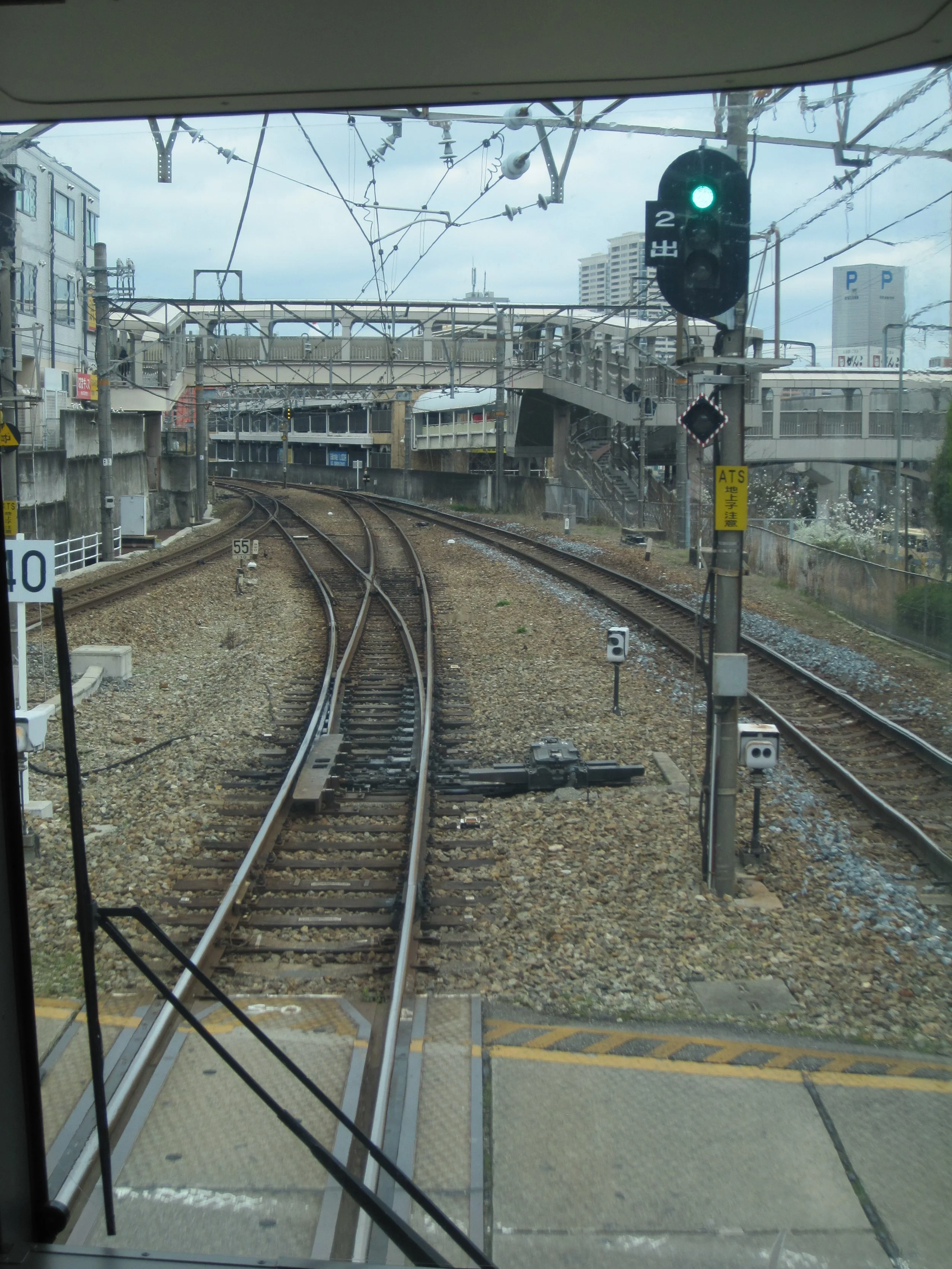
Details: I wasn’t going to write about the commuter trains in the Kansai area, but since Adam shouted them out, let’s get into why these exist. JR will say that the Shin-Kaisoku (“new express”) trains exist out of convenience. The truth (at least in the eyes of most locals) is that they exist out of competition.
Kansai – even more than Tokyo – has a number of other rail companies that hold their own against JR/the massive former national railway. In particular, between Kobe and Osaka, the Hankyu Line to the north and the Hanshin Line to the south both parallel JR’s route and, in many cases, are just as fast and a better deal. So, even though you technically could take JR’s Shinkansen service between Himeji, Shin-Kobe, and Shin-Osaka, most locals opt for the Shin-Kaisoku that travels on regular lines but stops in a lot of the main centers of activity – including spots the Shinkansen doesn’t go, like the busiest stations in Kobe (Sannomiya Station) and Osaka (Osaka Station). Because these trains are built for commuters, they are often very very crowded; the human wave in and out of these trains is the stuff of legend.
Should you go ride? That depends on where you are going. Depending on your start and end points, you might discover that one of the other lines (Kintetsu, Keihan, Hankyu, Hanshin, Nankai… there’s tons of these, really) is faster. Likewise, if it’s more important that you be able to sit down, you might want to spring for a train with a reserved seat. Some of the Shin-Kaisoku trains now offer a reserved car, but it’s mainly to compete with competing reserved seat products elsewhere, like Keihan’s line between Yodoyabashi (Osaka) and Demachiyanagi (in Kyoto’s northeast). Consult Japan Transit Planner to see your options.
Alright folks, let’s rip the bandaid off, shall we? It’s time to talk about…
KYOTO (Both Teams)
Where: Kyoto City, Kyoto Prefecture
What: The most historically significant city in Japan and the official imperial capital of the nation from the Heian Period (794, specifically) until 1868, when it was officially moved to Tokyo after Edo was renamed Tokyo*.
Details: As the legend goes, when the imperial family was looking for a capital, it was rather easy to settle on Kyoto. Let’s start with the features: it’s a flat plain laid out almost in a natural square shape, surrounded by mountains on three sides. Built in defensive capabilities with controllable access in the geographic center of the country… hey, who wouldn’t want their capital in a place like that?
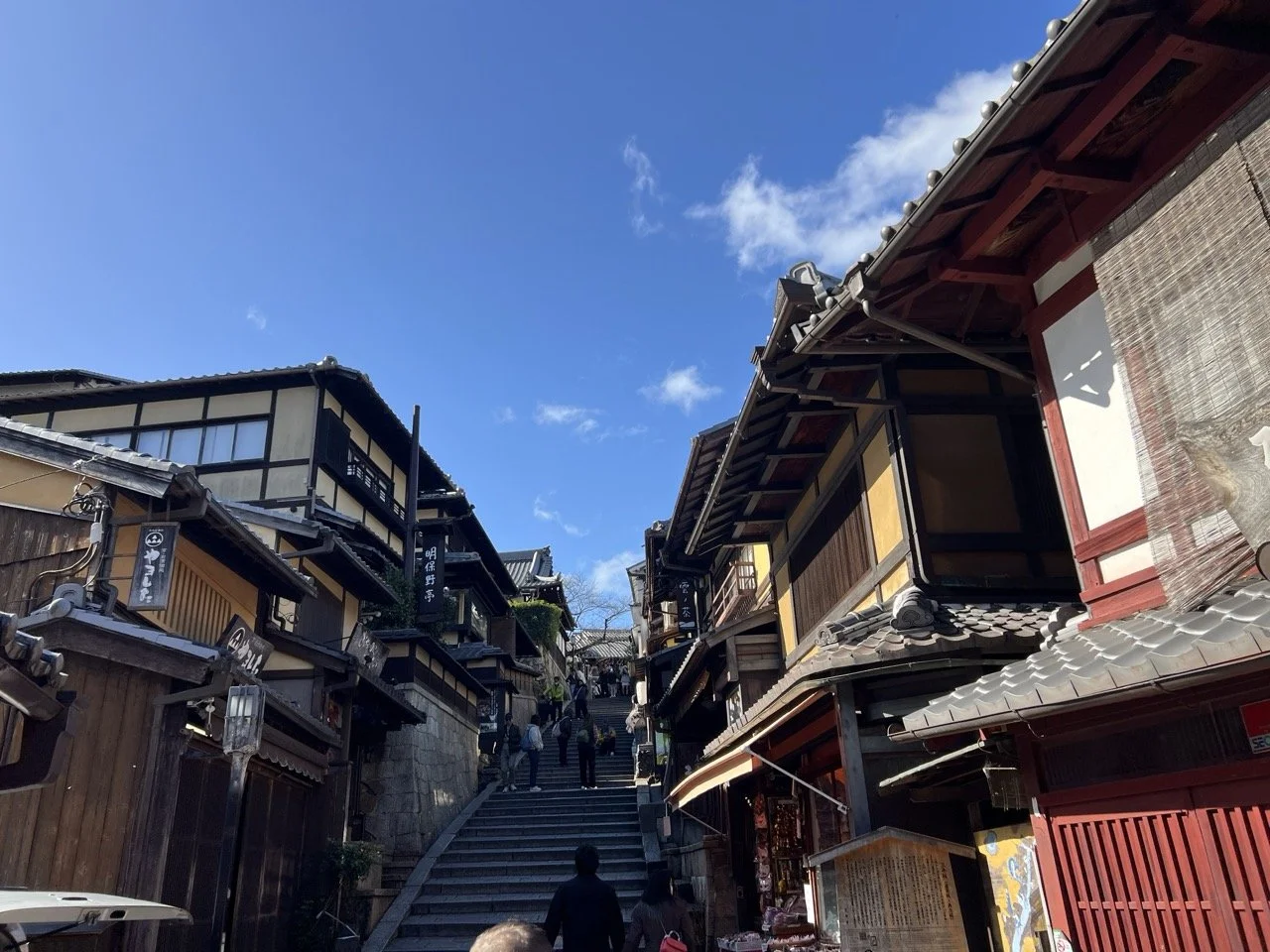
As the imperial seat of power, even when the Emperor was not the most politically powerful figure in Japan, the city was always considered one of the most important spots in all the land. This is why over time, as buddhism came to Japan, shoguns came and went, and walking highways for daimyo and samurai were built, the city became home to an uncountable number of culturally significant sites. Politically, you have the Imperial Castle where the Emperor once resided, and places like Nijo Castle, which was built by the Tokugawa to keep tabs on everything in the city. Religious sites abound for almost every denomination within buddhism: Myoken-ji for Nichiren buddhists, Chion-in for pureland/Jodo sect buddhists, Nanzenji for zen buddhists, Toji’s massive pagoda for shingon buddhists, and Kiyomizu-dera for tourists independent/hossho sect buddhists. It’s why a lot of tourists can fall into a trap of going to too many temples, as they are all culturally significant but hold a much different meaning for the devout. Shinto shrines of considerable import also abound, such as the shrine gate tunnels of Fushimi Inari and the centrally located Yasaka Shrine, which is also the home shrine of Japan’s largest festival, the Gion Festival. There are final resting places for famous figures, former villas turned into religious sites (Ginkakuji, Kinkakuji) or just museums (Katsura Imperial Villa) and sites to reflect on the beauty of the land near the Katsura and Kamo rivers.
Considering the culture, it’s easy to forget that Kyoto is still a major city. Home to more than 1.46 million people, Kyoto is larger than all but seven of America’s biggest cities. The fact that so many people still live and work here, and the fact that the city is still home to a number of large companies (the most famous one you’ve heard of: Nintendo), is why the tug of war between tourists and locals has been going on forever. The center of the city’s grid is home to the popular and very busy Shimogyoku and Teramachi shopping arcades and the famous foodie paradise Nishiki Market. While the southern end of the city was once considered undesirable, it’s now home to Kyoto Station and the surrounding complex of malls, Kyoto Tower, and enough entertainment complexes, sports facilities, and bars to keep anyone busy for a long, long time. Even though merchants were considered a lower class in the age of the samurai, their centers of commerce remain hallmarks across the city. The quieter Philosopher’s Path in the northeast, the VERY busy Ninenzaka/Sannenzaka by Kiyomizu, Arashiyama (more about that area in a minute), the areas surrounding Fushimi Inari, and so on are all examples of how this city isn’t just built around history, but commerce.
Should you go? I’m going to be blunt with you all, okay?
Considering all there is to see and experience here, it’s no wonder Kyoto has become the destination that it has. Which is also why it’s absolutely packed with tourists, and why the internet has an unending stream of articles/”think pieces” about the city and how tourism is good/bad/neither and whose fault it is that the city is so crowded. I’ll address that stuff at the end, but for this section, I’d like you to ask yourself:
1) Do you like crowds? Can you tolerate them?
2) Do you want to have the same experience as other people, or something different?
3) Are you interested in the sites in Kyoto, or do you want to experience something of equal beauty/cultural significance somewhere else?
Here at PacSet, we’ve advised people on their travel plans for more than 15 years now, and it is completely okay for you to want to go to Kyoto, or go elsewhere. The important thing is that you ask yourself what kind of experience you want to have first and then consider which place would best fit the bill. Kyoto is a magnificent city and we still recommend everyone check it out once, but we strongly disagree that it needs to be the first thing everyone sees since the crowds can leave any visitor with a negative impression unless what the city offers you really really appeals to you. I’m not saying any of this to disrespect anyone or “hate on” the typical travel itinerary; I’m just saying that if you do choose to visit Kyoto, you shouldn’t feel like you must do the same thing everyone else does.
One neighborhood in the city got a bit more attention in this week’s episode, and it can also get crowded. It’s also one of the prettiest areas in Kyoto. Welcome to…
ARASHIYAMA (Adam & Tom)
Where: Kyoto City, Kyoto Prefecture
What: A designated special city of beauty in Kyoto’s northwest; the last part of the city before you hit the mountains and go to the more rural areas of the prefecture.
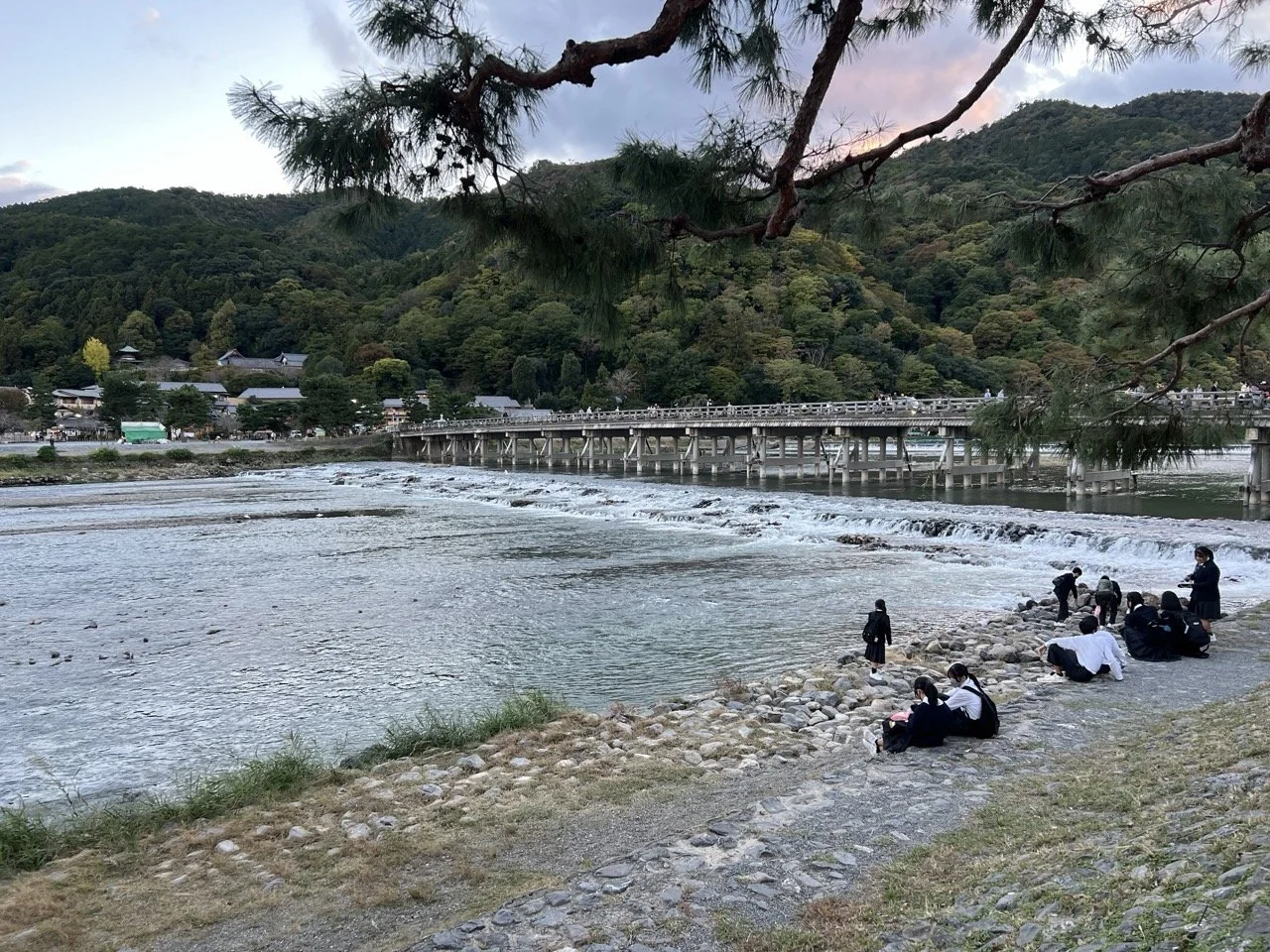
Details: Once you set your eyes upon the massive, wide expanse of the Katsura River framed against the mountains from the famous Togetsukyo Bridge, you’ll quickly realize why Arashiyama became a hot place to visit. The center of the area is Tenryuji, a massive zen temple and garden first built in 1339 that is still considered one of Kyoto’s finest. The main hall is filled with cultural artifacts, but there’s also a large tatami mat room where guests can sit and gaze upon the garden and its pond. Exiting the back of the temple puts you on the road through the Bamboo Forest where Adam and Tom completed their challenge, and where you are most likely to see the heaviest crowds (it’s quite scenic).
There are a few ways to really appreciate the beauty of this area. One: by boat, which sails down the river from nearby Kameoka and docks just below the park on the western part of the neighborhood. You can also opt for the Sagano Railway, which winds along the river gorge itself and is absolute catnip for people taking pictures. Venturing back to the main road near the bridge is the shops/cafe area where you can get all the usual Kyoto souvenirs. You might also want to swing by the Randen Arashiyama Station, not to catch a train, but to check out its dense food court and neighboring footbath, perfect for resting the feet after wandering all over the place.
South of the bridge is the approach to Hankyu Arashiyama Station, which is lined with laid back shops, a bath house/sento, and a Monkey Park for wild Japanese macques. It’s not particularly interactive, but if all the tradition and fancy elements of the Kyoto experience has you wishing for a change of pace, you can do a lot worse than a spot full of monkeys.
Should you go? Arashiyama captures a lot of what people love about Kyoto: natural beauty, history, culture, and a bunch of nice spots to shop and enjoy good food. It can get crowded, but if you stand by the Katsura River and just breathe everything in, it can make you feel like the only person in the world.
SHUGAKUIN VILLA (Sam & Ben Team Alpha Force)
Where: Kyoto City, Kyoto Prefecture
What: A spectacular garden and field complex with fancy ponds and a calm atmosphere.
Details: As far as a place to complete a rice-related challenge, there are few places that would make a better choice than this one.
Completed in 1659, this villa was the pet project of the Emperor Gomizuno-o after he abdicated the throne in 1629. Dedicated to his eighth daughter, the terraced fields and ponds are the stuff of legend; meticulously crafted to inspire calm reflection. Considering that this villa is way, way beyond the typical reach of the tourist masses, don’t be surprised if you find this area to be a lot calmer than the other spots in Higashiyama to the south.
Should you go? If the concept of going to Kyoto and people surfing makes you nervous, this is one spot we can confidently recommend. Visiting here is limited by the imperial family/the government’s official household agency, so check their website and apply ahead of time if you want to head this way.
Random Notes: The over-tourism edition
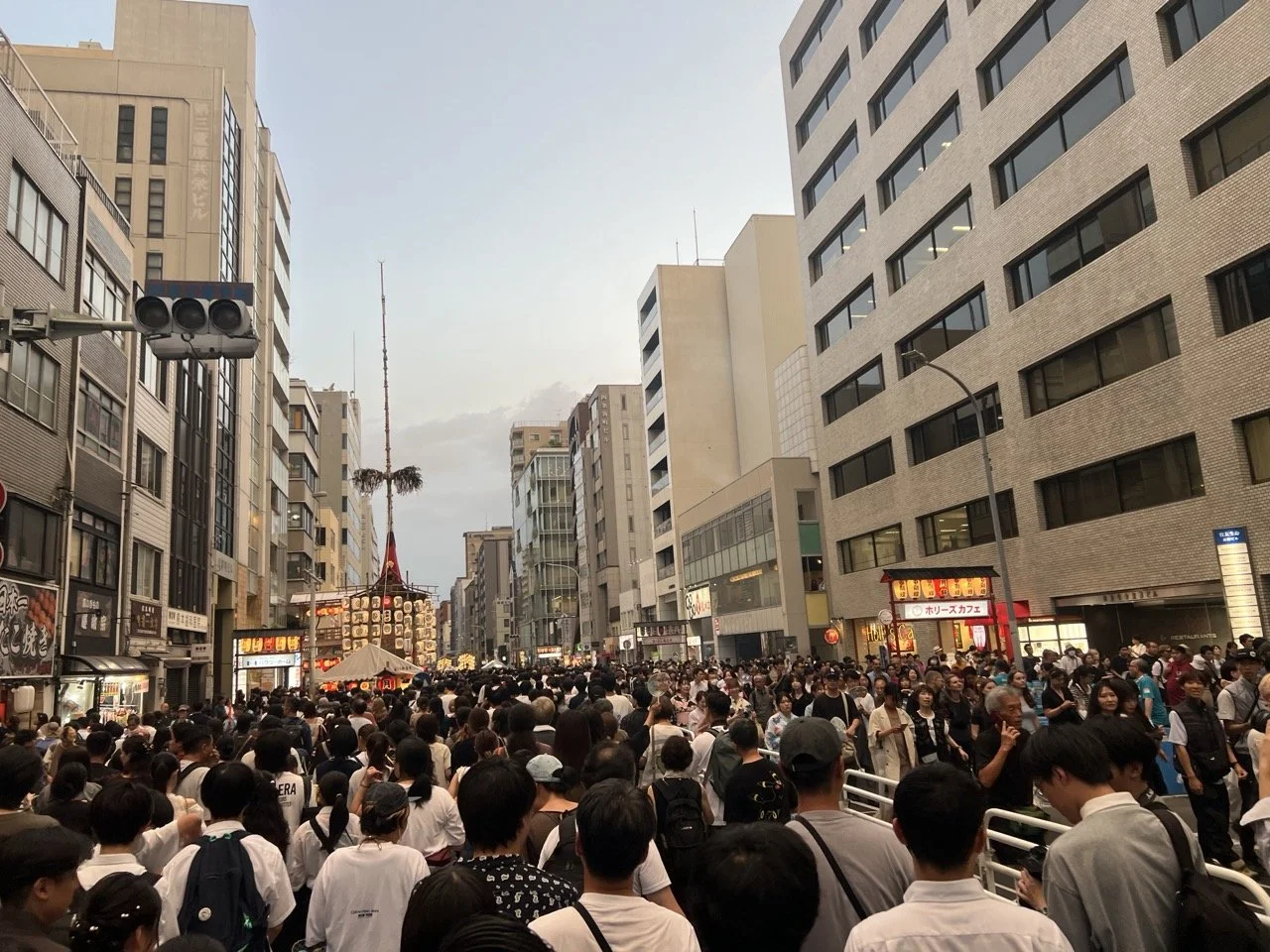
As this season of Jet Lag: The Game got ever closer to Kyoto, it felt like the topic of over-tourism was going to pop up on this show or The Layover, and sure enough, it did. As Adam mentions on the show, he feels like “most of these tourists go to Tokyo, then Kyoto, then leave.” Adam is 100% correct.
The reasons for why this is, and for why things have become they way they are, has been debated and argued over in so many ways that I think the entire topic might be eligible for meme status. I thought about offering my own opinions on over-tourism here, but to be frank, I feel like that’s a better topic for another piece entirely. What I do want to do, however, is go over a few facts and observations so you, the reader, can reflect on these things and come to a similar realization as I have: this problem has no single cause, no single solution, and anyone demonizing any one group/phenomenon/cause/race for it is mistaken.
Some points to consider:
We all carry around devices that encourage us to get digital FOMO about every single thing the internet is obsessed over. I have long since lost count of the number of times I have cited more than a decade worth of facts, research, survey responses, and other cold hard data to convince someone that I know will not enjoy “doing the typical Tokyo to Kyoto thing” to consider other spots. Some change their minds, but others say something to the effect of, “this is what everyone HAS to do first.” When a group of people believes a thing so strongly that there’s no way you can get through to them, there’s not much you can do.
The city of Kyoto loves to complain about the tourists, but they do depend on the income as well. Still, I feel bad for the locals who could really use more bus lines, rail lines, and services dedicated to their needs. Oh yeah, about that:
The city of Kyoto, in the 1970s, dismantled much of their streetcar network in favor of buses, and has done a poor job of adding more buses at all. There are five decades worth of choices and anecdotes from people, politicians, and others telling local leaders that forcing all locals and tourists into roughly the same bus and subway lines would lead to the problems they have now. Now that the city has those problems, they have decided to, for the most part, dismiss their past poor decisions and point the finger at tourists. Never mind that efforts to increase the bus fleet, hire drivers, or do anything different have been cosmetic at best. I do not think that everything is the fault of city and/or prefecture leaders, but the notion that Kyoto bears no responsibility for their current predicament is laughable.
There are still far too many tourists out there that do not realize how many other cities are really close to Kyoto and could be used for overnight lodging instead. I hope they all notice that. Osaka is right there, guys.
The Japanese government and Japan National Tourism Organization have tacitly encouraged tourists to travel “the Golden Route” of Tokyo-Kyoto-Osaka for decades. Any suggestion that the current trend is just the fault of the internet isn’t really a fair assessment.
Of all the aspects of this discussion, none upsets me more than the casual ethnocentrism displayed by people (‘but the CHINESE tourists are worse!”) online. You’re being racist, period. I assure you that the locals who hate tourists hate all of you equally.
The over-tourism phenomenon is not going to vanish; it may subside, but it will return. Any kind of solution is going to take a lot of effort on all sides of the equation to rectify; until then, although I am biased, I think any traveler visiting Japan may want to broaden their horizons beyond the typical.
Okay, now that we’ve dealt with that…
Random Notes: The usual fun ones
*Some of you probably know this already, but for those not in the know: Kyoto (京都) means “capital city” or “imperial capital” while Tokyo (東京) means “eastern capital.” Makes sense, right?
Sam and crew mention the “Guzman y Gomez” Mexican food chain on The Layover, and yeah, it… kinda sucks. Good Mexican food is really hard to find in Japan, and regularly tops lists of things that local expats miss about home. Our favorite taco spot in all of Japan is actually in Kochi at their morning market, which is frequented by a taco seller who once lived in Los Angeles, moved back to Japan, missed Mexican food, and decided to grow his own ingredients to make tacos. He literally hired a farmer in Kochi Prefecture to grow jalapenos and other materials, seriously. Come have a taco with us next year!
That being said: Italian food in Japan owns. There are some fancy italian joints across Japan that do way, way more than the typical “pasta and pizza” fare.
We at PacSet will be unable to attend the in-theater screenings of the Japanorama Finale because, in a twist of irony, we’ll be… in Japan, doing what we always do. Remember, you can always join us if you feel so inclined. :)
Considering where the teams could go from here, we anticipate that next week’s guide could be a rather chunky one, not to mention fun. Stick around and we’ll be back next week!