
PacSet Field Guide to Jetlag: TG Japanorama Ep. 5
It’s Wednesday, which means it’s time to dance like no one’s watching for the next chapter of our Field Guide to Jetlag: The Game: Japanorama. The boys were in Japan, and gosh darn it, we’re going to write some words about it.

This is the field guide for episode 5. Previous guides are linked here: Episode 1 • Episode 2 • Episode 3 • Episode 4
As you may have guessed (especially if you read the last four of these), there are going to have SPOILERS for the episodes, so if you haven’t seen the episode we’re talking about yet, please watch it and then come back to this piece. As always, we’re going to drop an image below this paragraph that has nothing to do with the episode. This week, gaze upon this handsome young man who we got to take on walks around Maebashi last spring at a massive dog park. This is a full blep photo, so if you are terrified by tongue, look away. Likewise, if you are terrified of spoilers, look at this dog and then go elsewhere.
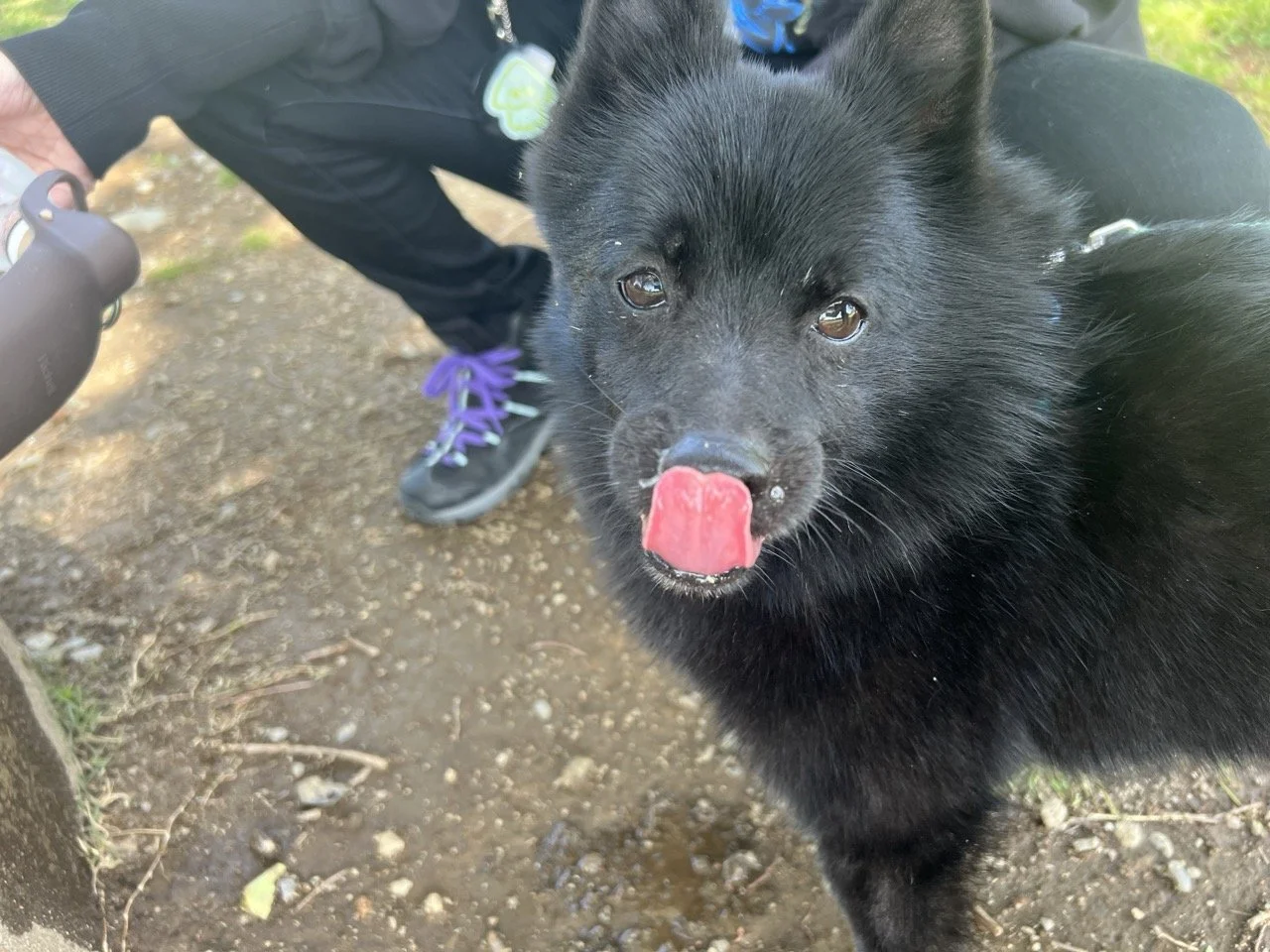
If you look up “handsome” in the dictionary and don’t see this dog, I think your dictionary is wrong. I’ve never known a Merriam OR a Webster, have you? That’s what I thought. Anyway:
THE RULES FOR THESE GUIDES:
We are not here to “Well, Actually” the game. They are the players, we are the writers who take people to Japan all the time. Like the 1990s classic by DJ Jazzy Jeff & The Fresh Prince, we’re the DJ and they are the rappers. Don’t think too much about this metaphor right now.
We are just here to talk about the cool places featured in the game. These places rule, and we want to extol their fabulous features to all who may be reading this.
We’ll toss in some stray/fun observations at the end. Most TV show episode reviews do this, and we do too. The system works.
Each location we talk about will feature a bit about where it is, the history/details, and whether you should go or not. We’ll also have a “Pick of the Week” in there. There will also be links to our trips here and there, because the AI robots are trying to take our jobs and we would really like it if you traveled with us humans. If you do that, we can pay rent. If you ask AI to plan your trip, they build a data center in someone’s backyard and ruin their lives.
Quite a lot to get to this week, so on with the shuffle… err, show.
EPISODE 5: SHINKANSEN SHUFFLE
GIFU HASHIMA STATION (Sam & Ben Team Alpha Force)
Where: Hashima City, Gifu Prefecture
What: A station established on the original Tokaido Shinkansen Line that was based on some really heated negotiations.
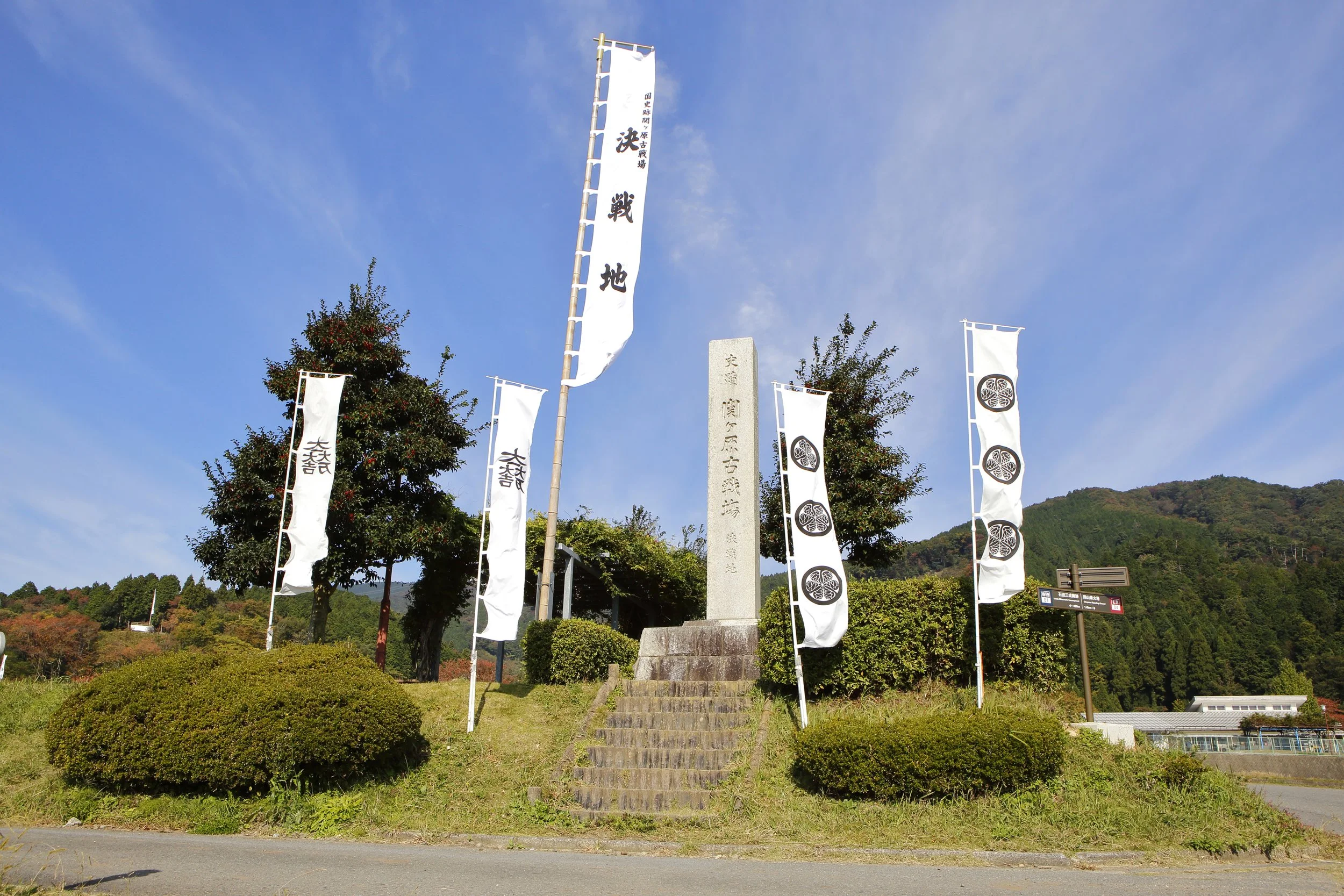
Details: All large infrastructure projects come with drama, and the creation of the original Shinkansen – then the world’s first – was no exception. In the 1950s, the Japanese government and the national railway (abbreviated as JNR, but not the same as the privatized JR, which didn’t exist until 1987) were trying to pick the most efficient route for the new line. Having this line make an awkward curve to hit Gifu’s largest city (Gifu City) was not going to work, but the government did make one concession: the best way to get the train through the hills and mountains outside Nagoya was via the city of Sekigahara. So in the end, the best and only place for a Gifu-based station was the relatively less populous city of Hashima southwest of Gifu City.
The consequence of this decision is obvious; with limited connections to other destinations (aside from a Meitetsu Railways station next to this one), it probably comes as no surprise that this station has some of the lowest ridership numbers on the Tohoku Shinkansen line. That being said, it’s still a spot where you can grab a cab (as the boys did) or catch a connection to another local spot. The best of the bunch is the site referenced in the station decorations: Sekigahara, the spot where the battle named after the city happened in 1600 and ended up becoming the turning point for the end of the warring states period, ushering the reign of the Tokugawa that would last until 1868.
Should you go? There are a number of reasons to visit southern Gifu, and considering how many of them are history-related, this is a place you should swing through if you want to dive into the history of the Tokugawa. That being said, depending on where you go, access may be better by connecting to local lines at Nagoya or Maibara.
SHINKANSEN PHOTO SPOTS
In light of this challenge coming up, we figured we would mention a few spots we love if you are the kind of person who would love to get some decent shots of the shinkansen. Our favorite three:
The Linear/Maglev Shinkansen museum in Yamanashi Prefecture. This place is adjacent to the test tracks for Japan’s forthcoming maglev shinkansen (the “Chuo Shinkansen”), which means you get to occasionally see that zoom by. This spot is a must-see for train die-hards.
Near the end of the Seikan Tunnel (the rail tunnel that connects Honshu with Hokkaido) on the Aomori side, there’s an actual observation area where train spotters gather to watch the Shinkansen exit and enter the tunnel. This place is a little notorious as a spot for train nerds and rural Aomori residents alike to gather and train spot. If you’re lucky, they have occasional events here with food vendors and other goodies.
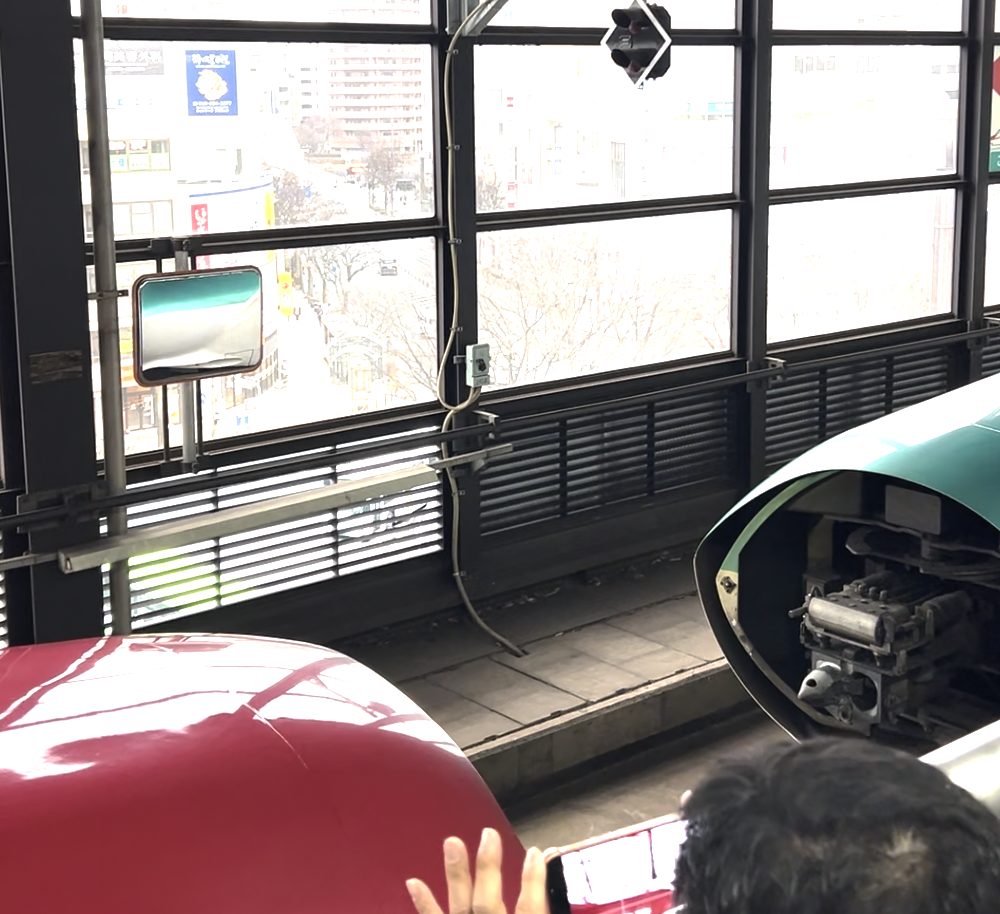
If you want to train spot at a station, your best choice might be Morioka Station in Iwate Prefecture (pictured). This is the station where the Hokkaido/Tohoku Shinkansen connects to/separates from the Akita-bound Akita Shinkansen, and the moment where the nose cones of two of these trains opens to couple the two trains together is the kind of thing that Japanese train fans make pilgrimages here to see.
Oh yeah, one more thing: we figured we would discuss a phenomenon we’ve noticed whenever we’re in the Shinkansen station. Friends, please stop leaning over the wall that keeps the really fast train from hitting you to get “a better shot.” The shinkansen will kill you and turn your DSLR to dust faster than a Marvel villain with a fancy glove with powerful rhinestones on it. If you don’t get hit, you’ll definitely get yelled at and berated by the station attendants and police.
ENRYAKU-JI/MT. HIEI (Adam & Tom)
Where: Otsu City, Shiga Prefecture, near the summit of Mt. Hiei.
What: A very culturally significant temple on the top of a mountain once considered an auspicious location for keeping negative influences from infiltrating the capital and its religious sites.
Details: Famous for way, way more than the smells of the incense within its temple walls, Enryakuji was established here right around the same time that Kyoto became the capital in the Heian period under the direction of Dengyo Daishi, who is widely credited for importing Mahayana Buddhism to Japan from China. That was just the beginning though; the monks that helped create many of Japan’s most legendary Buddhist sects can trace their history here, including the Jodo sect and Nichiren, whose more progressive form of Buddhism remains a significant influence within Japan.
Aside from the religious significance, it’s hard to find words that top the descriptions given to this place by Adam and Tom themselves. To visit Enryaku-ji is to wander into the mists of Mt. Hiei and reflect on nature and the gifts of the land, many of which are easy to see here . Consider the lake views, sure, but also don’t miss the picturesque trails that let visitors summit Mt. Hiei nearby and look for the other buildings of the temple found on both sides of the Kyoto and Shiga border.
Despite its beauty, the temple has not been without controversy; the temple performed a ceremony for former leaders of the yakuza organization Yamaguchi-gumi in the 2000s and caught a massive amount of flak for it. That being said: the magic and natural beauty of this place has proven more than enough to convince people to overlook ceremonial mishaps, and it remains as popular as ever.
Should you go? Some visits and programs at the temple require reservations, so keep that in mind if you are planning more than a simple temple visit. As Adam and Tom mention on The Layover, this place is remarkably gorgeous, and its somewhat remote location is such that you really do have to commit to being this far out and separating yourself from the hassles of the rest of Kyoto to be here. If that sounds like a good thing, that’s because it is. Stretch those legs, friends.
SHIGA PREFECTURE + LAKE BIWA (Adam & Tom)
Where: The prefecture making up the eastern end of the Kansai area, bordering the edge of the Hokuriku Region to the north and the Tokai Area prefectures to the east.
What: A landlocked prefecture surrounding Japan’s largest lake. It’s big.
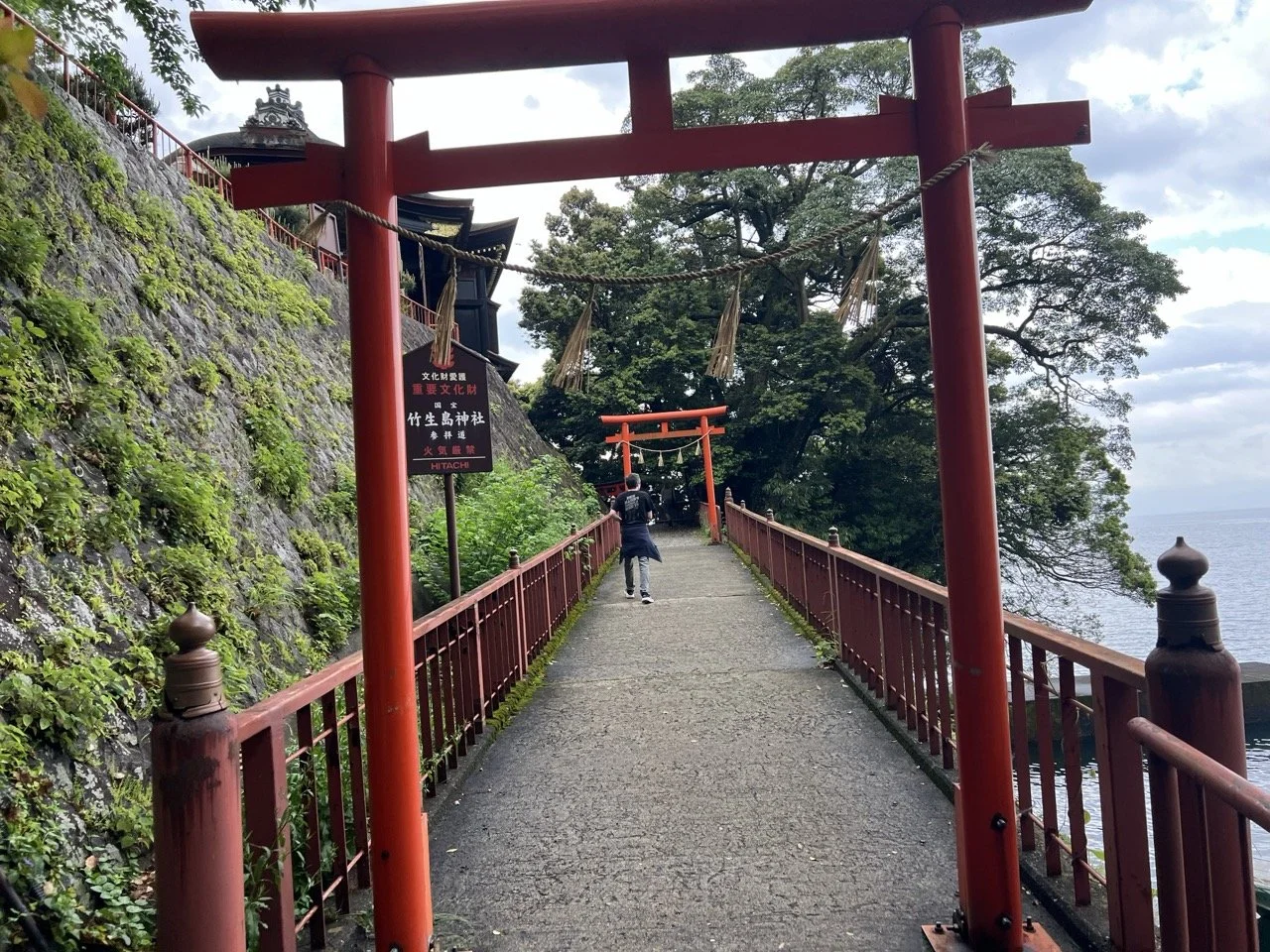
Details: We at PacSet realize how much Adam and Tom kicked themselves (okay, mostly Adam) over thinking that this prefecture wasn’t landlocked, but we can’t really fault them; Shiga is a place defined by the presence of Japan’s biggest lake, which remains its most significant feature. Lake Biwa covers quite a lot of distance, remains a popular place for scenic cruises and fishing, and even has a few islands within its waters; the most significant of these is Chikubu Island, where feudal leader Toyotomi Hideyoshi spurred the construction of numerous religious sites that remain popular destinations to this day.
Speaking of Toyotomi: the city of Nagahama on the lake’s eastern side is where he took his first steps to becoming the feudal leader who would one day be the first to unify the entire country (spoiler: as you all read in the Gifu Hashima entry, that didn’t last all that long after his death). Toyotomi is still a point of pride in Nagahama, where his visage can be found among the old storehouse-lined streets running from temple to temple. In recent years, Nagahama has leaned quite a bit into promoting its glassware production, much of which is centered around the centrally located shopping area known as Kurokabe Square. It’s also home to a decent whiskey distillery that makes a series of whiskies dedicated to the Final Fantasy game franchise.
Nagahama is not the prefecture’s biggest city; that honor goes to Otsu, the capital and a city that anchors the southwest end of Shiga bordering Kyoto. Otsu has always been a stop on the walking highways the samurai and imperial retainers took in and out of Kyoto, and following the Meiji Restoration, Otsu and the south end of the lake was connected to Kyoto via a series of aqueducts that still provide the city with fresh water to this day. Elsewhere in Shiga, Hikone Castle (= one of the original 12 Castles) on the southern end of the lake was actually crafted partially from leftover parts of the original Nagahama Castle on the orders of the Tokugawa Shogunate and is downright magical. Also magical: the neighboring city of Omi Hachiman to the west, which still has a remarkable number of picturesque canals and merchant areas arranged as they’ve always been, like pages out of history.
Should you go? Shiga is pretty close to the Kansai area and worth a look if you’re in the area. Nagahama and Chikubu are strongly recommended if you want to get a diverse view of the area, but if you are a castle buff, Hikone should be considered a must-see.
UNESCO WORLD HERITAGE SITES
There was a reference to these in the episode, and we figured we would pop in to mention; while most Americans are unaware of whatever UNESCO (United Nations Educational, Scientific, and Cultural Organization) designates as a historically significant site, they are a big deal – and in Japan, a place getting this designation from the UN is a big deal. In fact, the designation has been tied to increased tourism in many places, which can be a huge boon for a spot that doesn’t get as much attention but a huge issue for a spot that has too much attention to begin with.
World Heritage Sites come in a bunch of different flavors but they boil down to two types: cultural and natural. The “cultural” sites are kind of obvious; if you’ve been to Japan even once, there’s a fair chance you’ve been to one. These include the A-Bomb Dome in Hiroshima and massive swaths of Kyoto and Nara for historical and religious reasons we’ve covered a whole bunch in previous editions of this Field Guide.
The “natural” sites are a bit more interesting; they include a lot of spots that are well-known within Japan but less recognized as tourist attractions in comparison to the urban and cultural sites. Some of these in Japan include the Shirakami-sanchi old growth forest that straddles the border between Akita and Aomori in Tohoku, the dense mossy forests of Yakushima Island in Kagoshima Prefecture (often cited as an inspiration for the look of the Hayao Miyazaki classic Princess Mononoke), and the remote Ogasawara Islands, which are only accessible by a 24-hour ferry trip from Tokyo. We went to Ogasawara with a group on our Lost Islands trip; check out the video below if you’re curious.
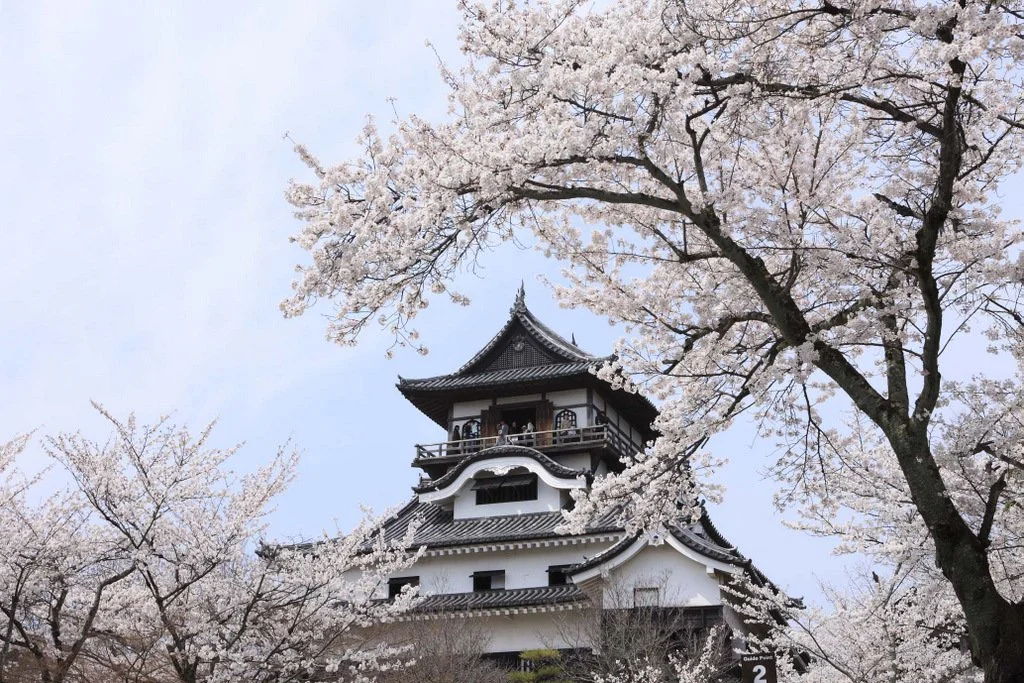
INUYAMA CASTLE (Sam & Ben Team Alpha Force)
Where: Inuyama City, Aichi Prefecture
What: One of the 12 castles still standing mostly in its original form from the time it was built, located just across the river from Gifu and a handful of old post towns.
Details: Overlooking a river that once formed a border between the Owari-no-Kuni nation and the Mino-no-kuni nation, Inuyama Castle now simply watches over the far-less-tense border that lies between Gifu and Aichi prefectures. Originally in this spot since 1537, the current version of the castle is still credited as the work of the son of feudal lord and icon Oda Nobunaga in the early 1600s.
The castle fell under the Naruse Clan under the Tokugawa Shogunate, and after the Meiji Restoration, the Naruse family’s descendents actually ended up maintaining and owning the castle themselves; it didn’t become a publicly held property until this century. Ironically, it was during the time that the Naruse still owned the castle privately that Inuyama City leaned into the castle’s majesty and opened what is now known as the Showa Yokocho, a shopping area meant to evoke memories of the postwar Showa era of the 1950s. The Yokocho and the Jokamachi (literally, “town beneath the castle”) street leading to the castle are a lot of fun to explore and offer a kind of nostalgia-inducing feel that evokes the past of this area.
Should you go? If you want to experience an original castle but don’t want to wrestle with the tourist throngs at Himeji or in the city of Kyoto, Inuyama is sure to deliver a cool experience you won’t soon forget.
TSURUGA STATION (Adam & Tom)
Where: Tsuruga City, Fukui Prefecture.
What: The end point of the most recently-constructed Shinkansen line extension in a port city long known as an entry point to the Kansai area from the Japan Sea/Eastern Sea coast.
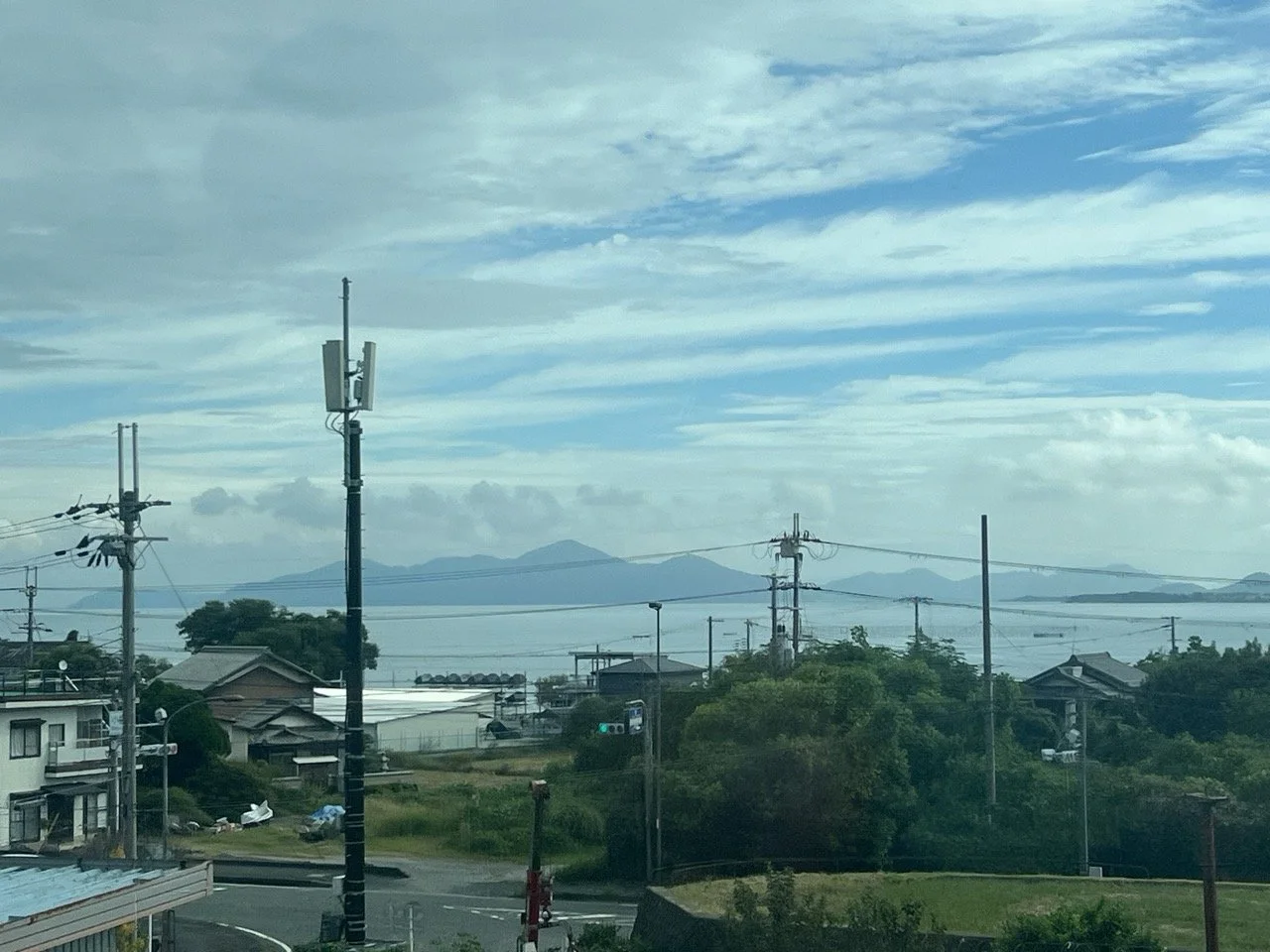
Details: Tsuruga is one of those spots that you can tell was destined to be some kind of major connecting point. Situated just north of Lake Biwa above the Kansai area, the city has always been along the many old walking highways that ferried gifts from the sea down to the imperial family and the many communities around Kyoto and Osaka. The city remains a port for passenger ferries that travel up and down the coast, some of which go all the way to Hokkaido.
The city does have a few hot spots of its own, namely Kehi no Matsubara, an old pine forest near the beach. Unlike some beachfront pine forests that were created by feudal leaders (Niji no Matsubara in Karatsu, Saga was actually grown as a windbreak!), there’s a legend that says that the pines rose from the ground all at once to defend the area from attackers sailing in from the sea. It’s quite the tale, but this is also quite the space: places to stroll among the trees are just a stone’s throw from picturesque beach walks.
Should you go? The chances that you are going to go to Tsuruga to get elsewhere are good, but if you’re in the city, you might as well check out Kehi no Matsubara if you’re taking a break. Come to think of it, Tsuruga is the connection point to our pick of the week, which is kind of a stretch, but we refuse to let the boys just stop here to play silly games at FamilyMart and not talk about the other stuff Fukui has to offer. Let’s get it…

FUKUI PREFECTURE (Adam & Tom)
Where: On the Japan Sea/Eastern Sea coast where Japan’s coastline goes from majority north-south to majority east-west.
What: Fish, crab, views, port towns, and more.
Details: When the Shinkansen finally made it to Fukui in 2024, a lot of JR’s promotional materials for the prefecture leaned into the presence of the Fukui Prefectural Dinosaur Museum, one of the world’s leading institutions doing research on dinos. Every poster had a dino skeleton on it, dino cartoons, and so forth – and hey, that’s fine. However, I think it would be unfair to brand Fukui as just a place where you can pet a dead T-Rex*.
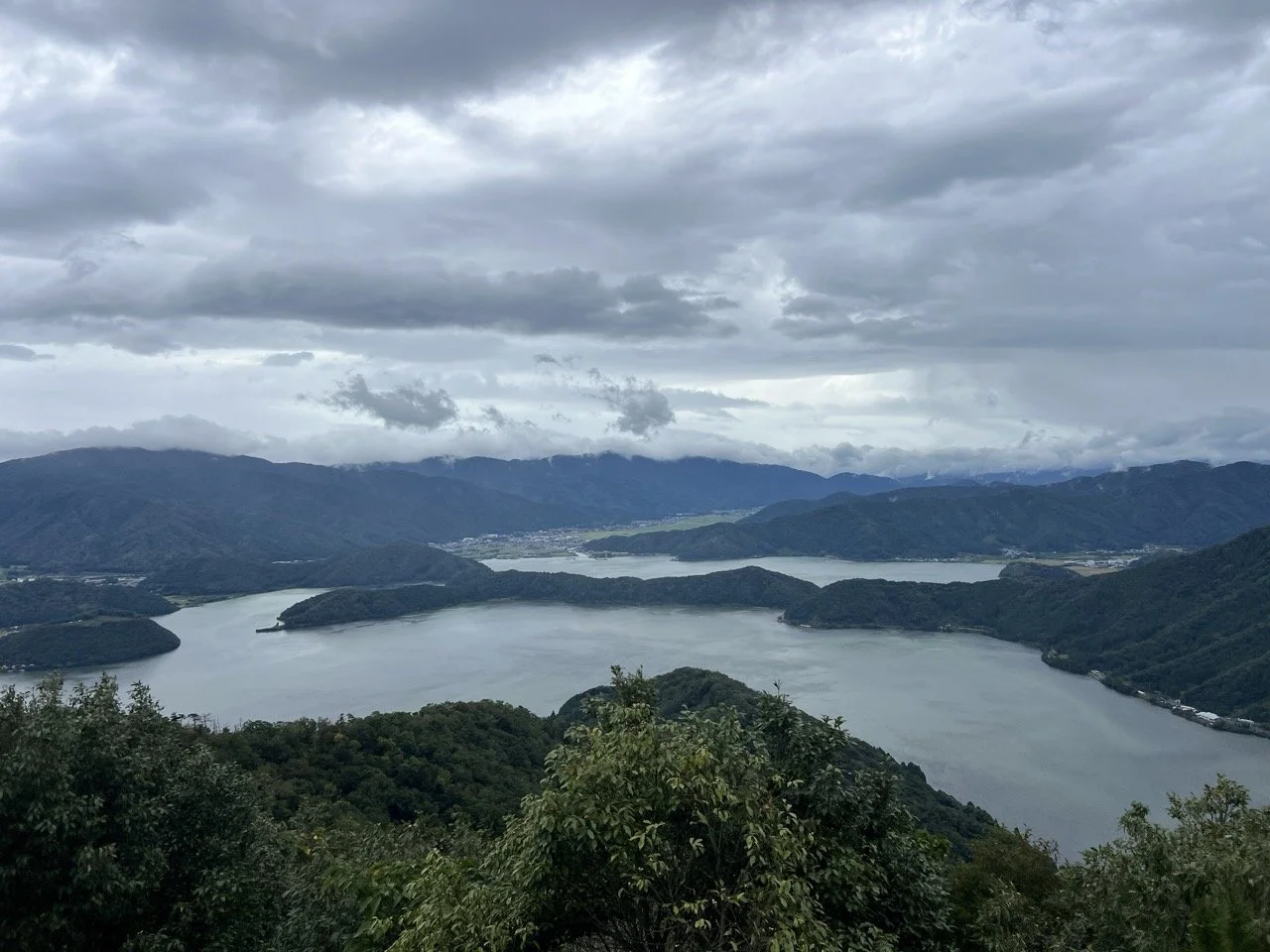
Fukui is in an odd spot geographically. The east (once known as Echizen) borders the historically significant Ishikawa Prefecture (which we’ll definitely be talking about next week) to the east, but also forms most of the space that borders the parts of the Japan Sea closest to both Kyoto and Nagoya. Inland, it can get rather snowy around here, especially in the eastern parts near Kyogatake, a mountainous area beloved by skiiers and hikers. There’s culture too; the old castle town of Ono is home to a few well-kept samurai homes and some fancy spring waters (and yes, one of them is on the “100 Waters of Japan” list).
In the center of old Echizen is Fukui City, which has a nostalgic charm all its own with its old school tram still weaving folks around the area. Be sure to get some sushi and visit the Yokokan Garden while you’re there. The Coast of Echizen is a place for those who appreciate Japan’s unique geography: towering cliffs with caves you can sail by or explore from land. Don’t miss the Tojinbo Cliffs and its breathtaking views of the naturally occurring (but still a little weird looking) coastlines.
To the west is the former nation of Wakasa, which is also the name given to the Wakasa Five Lakes region where you can kayak, fish, or just gaze upon the views of this collection of lakes dotting the coastline. A few weeks ago we discussed fishing, and this is one of THE spots in Japan where people visit simply to try and catch things that swim. Kumagawa-juku, one of the post towns on the old “Mackerel Road” between the port towns of Obama and Tsuruga to Kyoto, is still open to visitors and serving some of the best mackerel and unagi (freshwater eel) aywhere – not to mention places where you can visit to learn about the history of the region.
Should you go? The coolest kinds of spots we get to suggest as guides are spots like this, where due to the geography and weather, it feels like you can do a ridiculous variety of stuff in a relatievely short amount of time. Show up, eat a crab, slurp some noodles, hike, ski… have a good time. And hey, the dinousaurs are still pretty cool too.
Evan’s note: I absolutely insisted we include this: Fukui Prefecture went “viral” in recent months when the handsome male proprietors of a collection of local hot spring resorts started recording videos advertising the many benefits of Fukui while also making… eyes… at the camera. Even without knowing Japanese, I think you should all watch these guys implore you all to visit Fukui.
Hot damn, boys. Hot damn.
Random Notes, Mostly about food
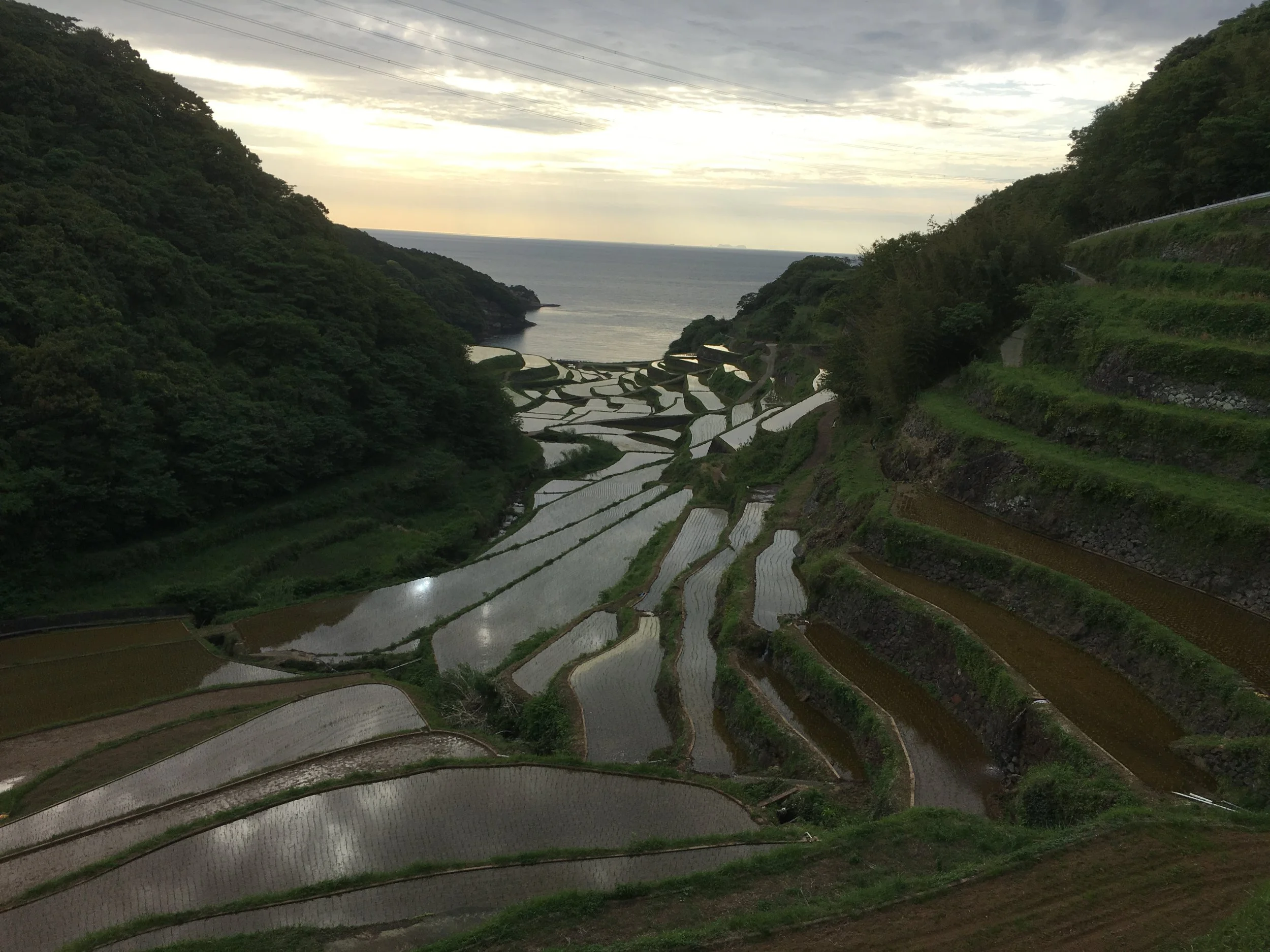
Quick Layover note: Yes, most terraced rice fields are beautiful. This one here is in Saga Prefecture near Karatsu; we headed out here a few times with guests on Anime De-Tour and Skate or Swim. Gorgeous one moment, delicious the next. Rice is magic, guys.
We like self-heating bento as much as the next guy, but most of the time, we opt for whatever is fresh and at the station. The topic of “which kind of train bento is best” has been endlessly debated, but I’m a bit of a chaos gremlin myself; I’ll find myself going to three or four spots and buying a few things from each of them. If Shinagawa station enables me to have a steamed meat bun, a fancy R1F SOZAI salad and a latte at the same time, who am I to say no?
A bit about the “Cream Box” you see in the episode: imagine light, fluffy custard cream piled onto a thick slice of fresh bread. That’s a Cream Box – another dessert bread beloved in Japan by many with a name that sounds a little awkward to the ears of native English speakers. While it can be found many spots across Japan, its most popular in the city of Koriyama in southern Fukushima Prefecture, where numerous local bakeries inspire lines when the boxes first come out of the kitchen.
At PacSet, we’re not going to say Coolish™ is bad or good, but we all have opinions on which conbini frozen treats are truly goated with the sauce. The ratings are as follows:
5) Coolish
4) Monaka
3) Fruit Ice
2) Yukimi Daifuku
1) Pino
More on this next week.
Adam & Tom: Thanks for not filming into the temple like some tourists do. ^_^
I like the name “Team Excellent” as well, but I feel like I want it to stay with the people driving the taxis. Maybe there are a whole number of taxi drivers out there who are really obsessed with the Bill & Ted franchise. Wyld Stallions forever.
*you cannot actually pet the T-Rex skeleton in Fukui. I’m sorry for making it sound like you could.
We’re over halfway there, friends. The journey is just going to get more fun from here, so stay tuned.