
PacSet Field Guide to Jetlag: TG Japanorama Ep. 6
Welcome to the home stretch, friends! It’s our sixth chapter of our super-neat Field Guide to Jetlag: The Game: Japanorama. We have a whole ton of stuff to get to this week; let’s get down to business!

This is the field guide for episode 6. Previous guides are linked here: Episode 1 • Episode 2 • Episode 3 • Episode 4 • Episode 5
In what will surely be a surprise to none of you, these things are chock full of nice chewy SPOILERS for the episodes, so if you haven’t seen the episode we’re talking about yet, please watch it and then come back to this guide. We promise it’ll still be here. As always, we’re going to drop an image below this paragraph that has nothing to do with the episode. Since we’re in the middle of Pawprint Pathways right now, this week we are happy to offer you some friendly deer from Miyajima. They’re like the deer in Nara, except they don’t let you feed the wild deer on Miyajima. Also, on Miyajima, they have far fewer problems with the deer… hmm, wonder why? Maybe it’s something in the water.
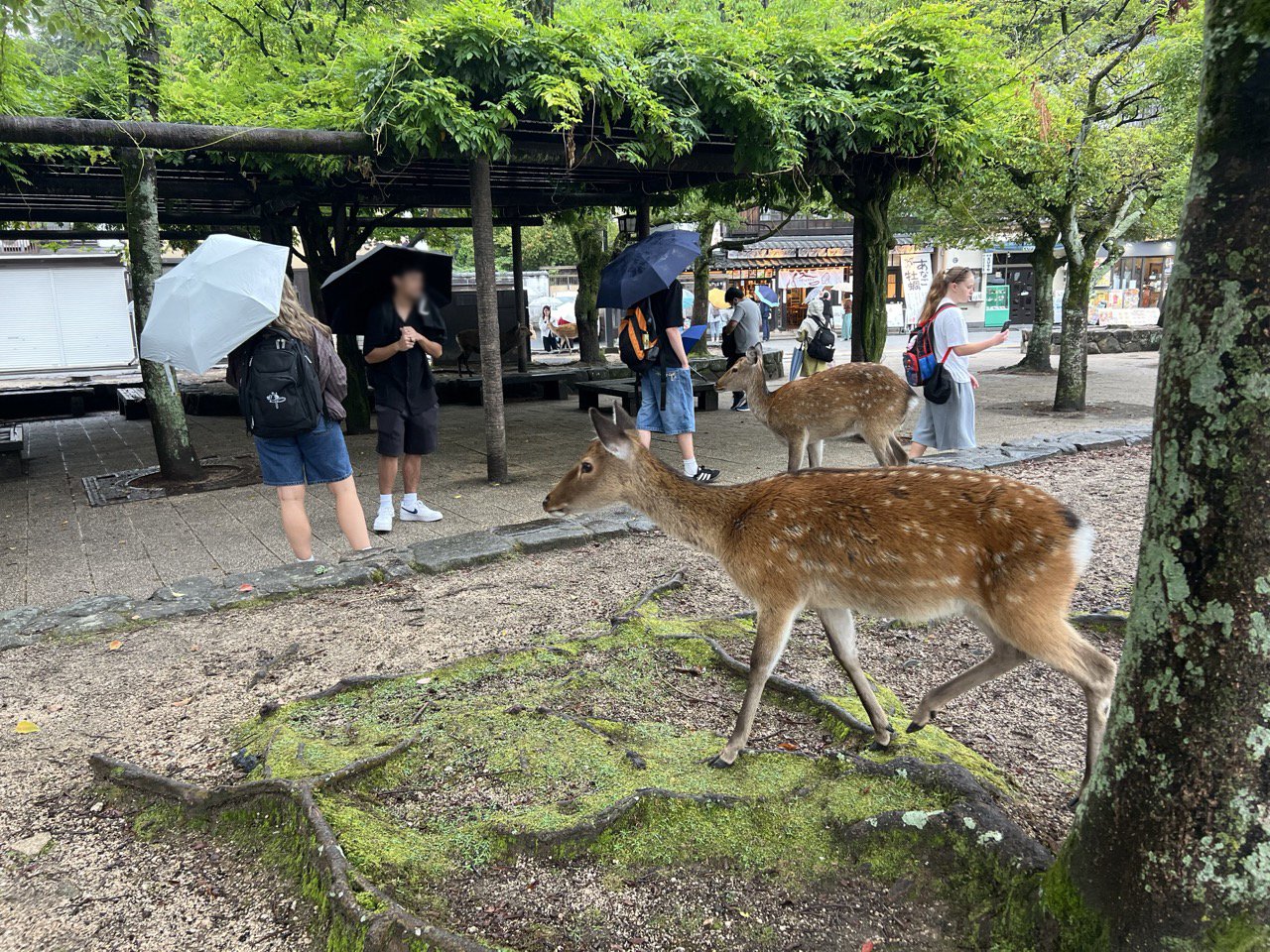
Just look at those soft ears. If I COULD pet them, I totally would.
THE RULES FOR THESE GUIDES (that we post each week):
We are not here to “Well, Actually” the game. We don’t have to use cards to take the Shinkansen, so we don’t see why we should be allowed to judge the players that do.
We are just here to talk about the cool places featured in the game. We love them, we’ve visited them many times, we want to share their gifts with you. Like a Secret Santa gift exchange where you get to keep everything. You get the idea.
We’ll toss in some stray/fun observations at the end. This is also where you’re likely to find some flavor of poetic reflection. That’s cool, right? No? Well darn.
Each location we talk about will feature a bit about where it is, the history/details, and whether you should go or not. We’ll also have a “Pick of the Week” in there where we give a little shine to a place we think deserves it. There will also be links to our trips here and there, because the AI robots are trying to take our jobs and we would really like it if you traveled with us humans. We can’t build things that threaten the end of life itself, but we can definitely take you to some really amazing Okonomiyaki.
On to the fun stuff we go!
EPISODE 6: Bused, Bust
KANAZAWA (Adam & Tom)
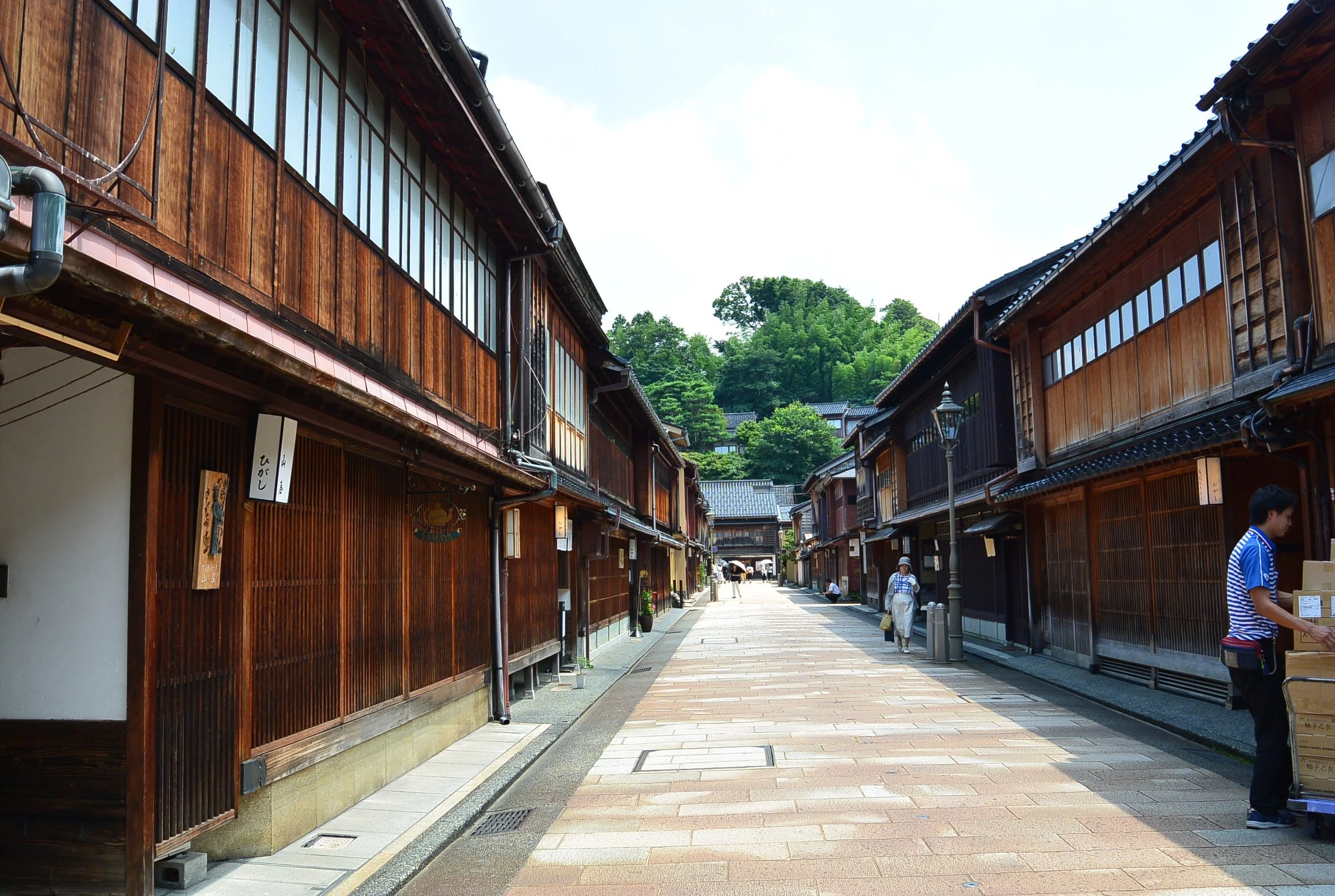
Where: Kanazawa City, Ishikawa Prefecture
What: Previous home base of the powerful Maeda Clan, not to mention extremely scenic city on the Japan Sea/Eastern Sea coast.
Details: The center of Kanazawa sits between two rivers that act like moats for the main part of the city, and that’s just one reason the Maeda Clan treasured this location for its homebase. Kanazawa was one of the few hubs in the country that made the ruling Tokugawa Shogunate nervous, and you can feel that historical opulence and pride all over the modern city. Spared a fair amount of damage in World War II, the city has a number of historical treasures that are in excellent condition.
Start with the massive Kanazawa Station that was built to celebrate the area, but from there, you have no shortage of stuff to explore. The traditional center of the city is where you’ll find Kanazawa Castle, which the city is currently going to considerable lengths to rebuild to scale. It sits across from the Kenrokuen Garden which we’ll get to in a minute. Just south is Nagamachi Bukeyashiki, a grouping of well-preserved samurai homes that the Maeda Clan’s most powerful members used to call home. In modern times, the area has become celebrated for the number of local places making traditional Japanese sweets, or wagashi. Closer to the station is the Omicho Market, the local fish market and food emporium where the best of what the sea has to offer is served from close to 100 different vendors.
Outside the rivers were the areas where certain kinds of activities were permitted in Chaya, or traditional groupings of teahouses where Geiko (the local term for Geisha in training) entertained patrons. Nishi Chaya is worth a look, but Higashi Chaya is the larger of the two and still has teahouses you can visit, not to mention local eateries, sake speciality stores, and all manner of cafe occupying historical properties lining the neighborhood. Near Nishi Chaya is Myoryuji, better known as the “Ninja Temple” for its many obfuscated secret entrances and exits, traps, and more. Legend has it that there was a well that ran between Kanazawa Castle and Myoryuji as an escape route in case anything befell the Maeda.
Should you go? Every single time someone asks me, “Can I go to Kyoto when there are less tourists?”, my answer is usually, “yeah, it’s called Kanazawa.” It’s a remarkably gorgeous city with a little something for everyone. There’s very little chance you’ll regret a trip up this way, and one major reason for that is…
KENROKUEN GARDENS (Adam & Tom)
Where: Kanazawa City, Ishikawa Prefecture
What: One of the three iconic Japanese gardens of Japan, and for good reason; this place is beyond amazing.
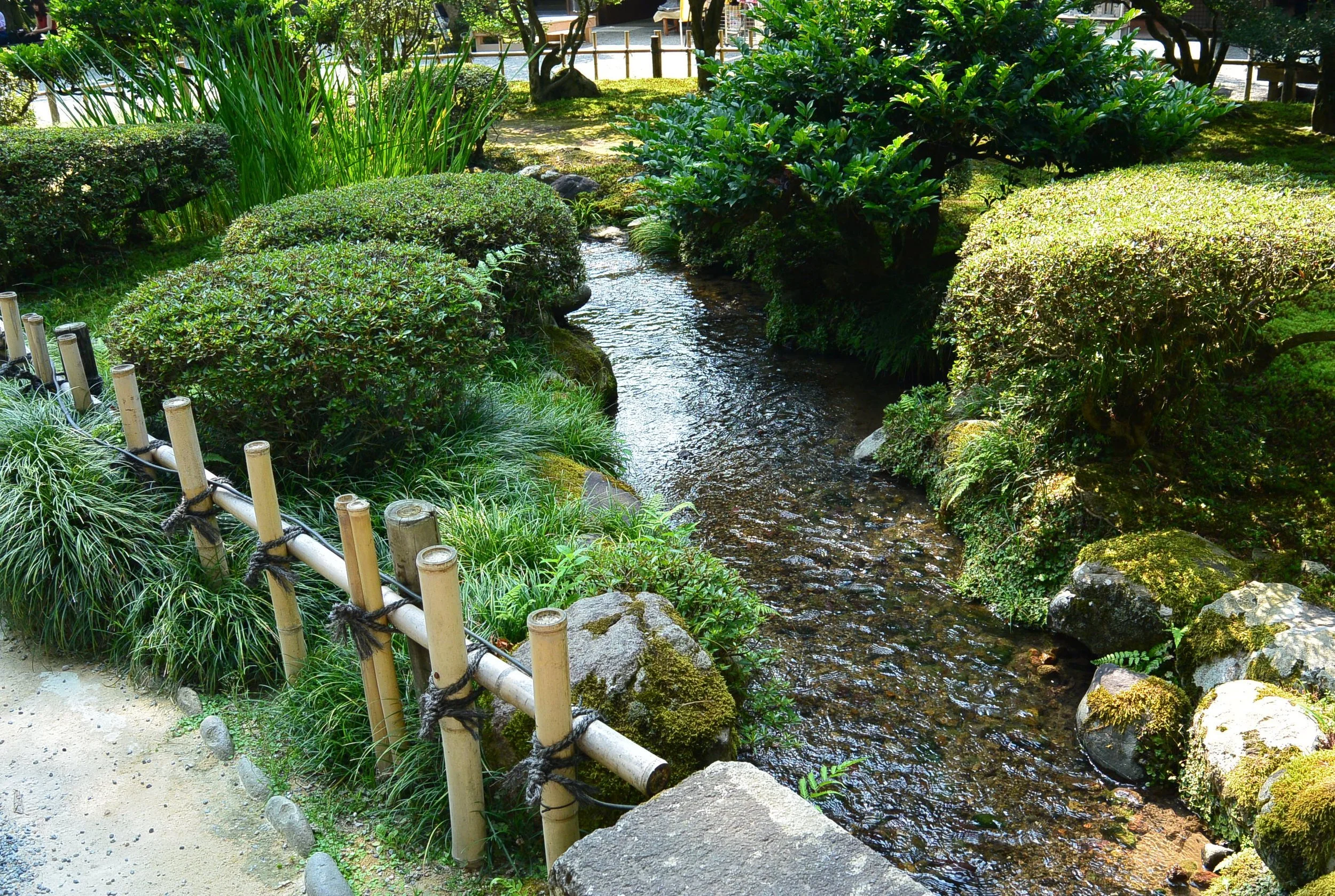
Details: In the Edo period, nothing said “I’m powerful and important” quite like the ability to hire a team of artisans to construct a private garden the likes of which the world has never seen, but that’s exactly what the Maeda Clan did with Kenrokuen. The garden is oriented around six (hence the “roku” in the name) aesthetics of beauty: spaciousness, seclusion, artifice, antiquity, water courses, and panoramas. As you could see in the episode, it feels as every millimeter of space in Kenrokuen is there to serve a purpose, from the locations of bridges and cafes to the slopes that turn a park stroll into a walk past a small waterfall.
The garden was finally opened to the public in 1871 and remains a huge draw; Kenrokuen tends to get more visitors than any other site in the city by a long shot.
Should you go? If you want to go to the best Japanese garden in Japan, you should go here. If you are near the Kanazawa area at all, you should go here. If you hate the concept of flowers and beauty, you should still go here because this place will cure that feeling magically. It’s THAT good.
YOKOHAMA (Sam & Ben Team Alpha Force)
Where: Yokohama City, Kanagawa Prefecture
What: Technically the second largest city in Japan, part of the greater Tokyo metro area, and one of the original port towns opened to foreign trade near the end of the Edo Period.
Details: It’s easy for the common traveler to gaze upon the “Tokyo area” writ large and think “ALL CITY SAME”, and sure, there are a great number of people who commute to Tokyo from here. However, Yokohama really does maintain a flavor all its own. While Kobe is the more quintessential city that reflects the “western former port town” aesthetic, Yokohama is larger and has a few diverse neighborhoods that feel like more approachable places that go against the grain of the typical Tokyo experience.
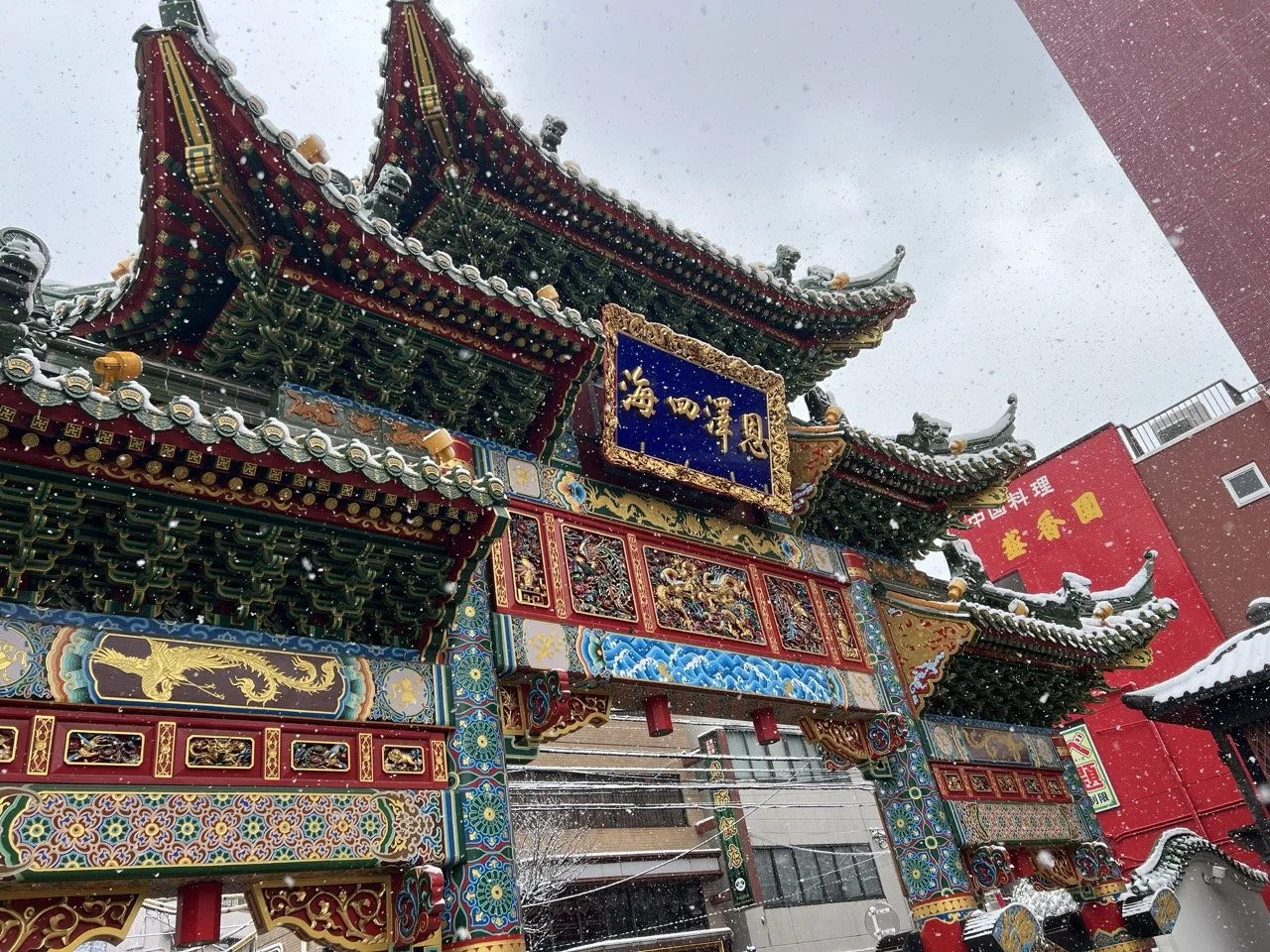
Yokohama’s history as a port town is best reflected by the western-inspired Motomachi area where western traders settled and Yokohama Chinatown, which is right next door. The best reason to go here is definitely the food (western fancy stuff and tea in Motomachi, chinese staples in Chinatown), but the aesthetic and look of the place is also notable enough that people go here to do photoshoots from time to time.
Stroll from there to the waterfront and Yamashita Park, which is probably one of the prettiest places in town and can be followed north west to the Osanbashi Pier, the massive wooden park structure that doubles as an international port. Walking out here is a must for photographers, who will definitely like the park views across the bay into the city. Then you’ll hit the Akarenga-kan, a collection of 19th Century red brick customs houses that have been transformed into malls selling local and designer goods. Beyond there, there’s a massive collection of other malls and spots designed to hit you in the wallet, not to mention the Cosmo World mini-theme park, Nissin Ramen Museum, and some cruises.
If the above stuff sounds a bit to trendy, wander to the other side of Sakuragicho station to the Nogecho area, which is the city’s place to drink and eat in excess. Noge has some of the best bars in all of Japan, many of which are tiny watering holes where talented wisened bartenders can serve you anything from cocktail staples to something more unique.
Should you go? If you are a fan of big, scenic port cities, or you want to change it up for a day during your usual trip to Tokyo, Yokohama is a great choice.
SPOTS THAT TEAM ALPHA FORCE SKIPPED WORTH A LOOK
In light of the number of skips Sam and Ben had in their hand, we felt it only appropriate to do a quick list up of the spots they missed that you might want to take a gander at. This is not a comprehensive list, mind you, and there’s a lot more in these prefectures that we could confidently recommend. That being said, here are a few…
SHIZUOKA PREFECTURE has a ton of stuff to see, from the waters around Lake Hamana to the massive green tea fields near Shizuoka City and Kakegawa. We’re also big fans of the Mochimune Waterfront in Shizuoka City, home to a nice microbrewery and some really nice dessert spots.
SAITAMA PREFECTURE gets a bad rap for being mostly a commuter area, but the mountains to the west is where you’ll find the cool, laid back hot spring town of Chichibu. Saitama City and the area around Omiya Station is predictably busy and has a lot of bars, izakaya, and more that offer all of what Tokyo does with less crowds.
The little part of the train line that goes through Ibaraki Prefecture is where Koga is, which we’re hitting this winter for their Koga Lantern Festival where lanterns literally joust in the air. Yeah, that’s as cool as it sounds.
On the other end of the spectrum, we have the very quiet, peaceful surroundings of…
SUGANUMA GASSHO-ZUKURI (Adam & Tom)
Where: Nanto City, Toyama Prefecture
What: A collection of gassho-zukuri farmhouses on the way towards Shirakawa-go in Gifu.
Details: We got into what the Gassho-zukuri are in the Episode 3 guide, but the ones here are in a really cool location as well: along the Sho River in a valley at the foot of a mountain, which also means that the snow here is legendary. This village has long been a spot to collect things farmed from the field, rice, and the ingredients for paper. Suganuma is part of the larger Gokayama gassho-zukuri area along the river, so visitors can also travel to other small groupings of houses to tour them.
Should you go? If you want to experience the houses (or stay in one) without having to go to the busier village in Shirakawa-go, this is a great alternative choice. We strongly, strongly recommend getting a rental car to make the trip though.

BASEBALL! (Sam & Ben Team Alpha Force)
Where: Many major cities across Japan from late March (ish) to September.
What: Japan’s most beloved sport. It’s supposed to be America’s national past time, but it honestly feels like it’s Japan’s.
Details: Japan’s obsession with baseball comes a bit pre-loaded culturally. Every year, there are not one but two national high school baseball tournaments. The summer one, held right around the start of the Obon Holiday, is an iconic ritual that every player aspires to: the chance to represent your prefecture at Koshien Stadium in the tournament.
Even if you are not a fan of “the sportsball”, going to a baseball game in Japan is an amazing ritual to be a part of. Every stadium and team has a story, and while some are more popular than others, they are all fueled by an intense-yet-friendly fanbase. Of all the teams in Japan, here are some of our favorites for the vibes:
Koshien is a place of baseball royalty, plus its home to the notoriously passionate fans of the Hanshin Tigers. Going to a Tigers game is akin to speed-dating friendships with everyone around you at the game. The Nipponham Fighters play in the brand new Escon Field in the outskirts of Sapporo, so it’s probably one of the most fancy places to see a game and has some amazing food. Our personal favorite: the locally-held Hiroshima Carp are the pride of the city, so it feels like your socializing with half the city when you swing through the large but silly-named Mazda Zoom-Zoom Stadium.
Should you go? If you are not ready for thousands of locals to try and be your friend in a loud, loud environment, then no. But if you are, well…
Get yourself to the baaaaaall game ♪
See a game in Japaaaaaaan ♪
Buy a cute hat and a frosty beer ♪
Ask your neighbor to teach you the cheers
And just yell, yell yell with the locals ♪
Don’t sit there quiet (that’s lame) ♪
‘Cause it’s one, two, three songs you’ll learn
At Japaaaaaan’s baaaaall gaaaaaaaaaaame ♪
Alright, now that we’ve talked about the ball game, what do we have to talk about ne-
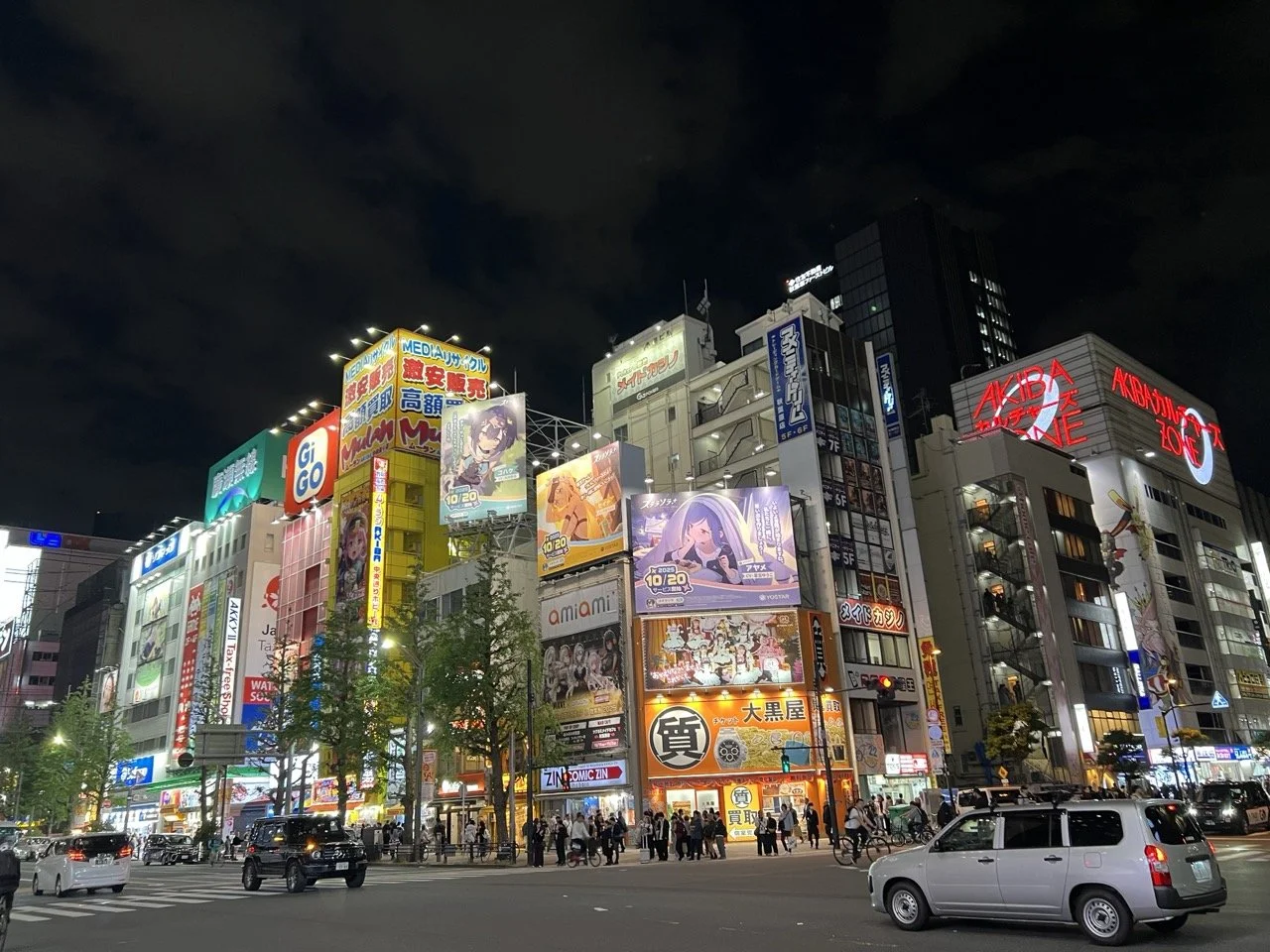
TOKYO (Sam & Ben Team Alpha Force)
Where: Tokyo, Tokyo Prefecture
What: Japan’s capital and largest city. You like this place.
Details: You already know the details about this place, right?
We’ll level with you: there’s really no easy way to summarize all that Tokyo has to offer, and quite frankly you probably know anything we could tell you here. So we’re going to take a different tack here…
Should you not go? That’s right, not.
Let’s be blunt: you’ve already decided you want to go here. Everyone has been told over and over and over and over again by that device in their pocket that they NEED to visit Tokyo. So we’d like to include something a bit more helpful: a list of people who probably shouldn’t listen to the hype and strongly consider going elsewhere - even if this is their first trip to Japan. Really.
Hardcore Hikers: Tokyo has nothing for you. The great outdoors are great in Japan, but they are greatest in the spots far from Tokyo: Aso in Kumamoto, the Shirakami Sanchi in Akita and Aomori, pretty much everywhere in Hokkaido. All of these places have the good food you want as well.
The Crowd-Averse: “Isn’t there a time that _____ isn’t as busy?” NO. Shibuya Parco is always that busy. Shinjuku? Always that busy. Asakusa? ATB. Think about it: if you are asking this question, you’re probably not the first person to ask it, and yes, there are lots of people who are already trying to go when things are “not busy.” As a result, it’s crowded all the time.
People seeking interaction/interactive experiences: You’re going to find more opportunities to do interactive stuff and meet locals (or attempt to) outside Tokyo, simply because the local attitudes in Tokyo towards tourism at this point are regrettably toxic, which doesn’t help if you’re trying to befriend others.
Everyone else: ask yourself critically what you want to do in the city and plan from there, because there are so, so many things to do in Tokyo. For example: if you aren’t a shopper, don’t bank all your time in places for shopping like Akihabara and Harajuku. Also: bank time for rest, food stops, and so on. Your body will thank you!
THE IMPERIAL PALACE (Sam & Ben Team Alpha Force)
Where: Tokyo, Tokyo Prefecture
What: The official home of the Imperial Family when Edo became Tokyo (and therefore the capital of Japan) in 1868.
Details: Still occupying the large area near Nihonbashi it did when the Tokugawa ruled from here, the Imperial Palace now overlooks the Tokyo Station complex and represents one of the largest green spaces in the city. The Emperor and the Imperial family still reside here, and there’s a garden to visit here (including the Bamboo forest in question), so it’s a cool place to get away from the bustle of the city. However, visits to the castle are limited to those on a tour and are extremely controlled; you don’t get to see much (if any) of the inside of the castle.
Should you go? It’s a neat castle, but we’ll be blunt: it really doesn’t hold a candle to many of the others on this list. If you do go, make sure to make a reservation for a tour provided by the castle.
Hey, are you a fan of sushi, and neat historical neighborhoods, and art? Well then, you’re going to love this week’s Pick of the Week. It’s…

TOYAMA (Adam & Tom)
Where: Toyama City, Toyama Prefecture
What: An iconic city that has long been an unusual corner of the Hokuriku region. It’s also incredibly fun and beautiful.
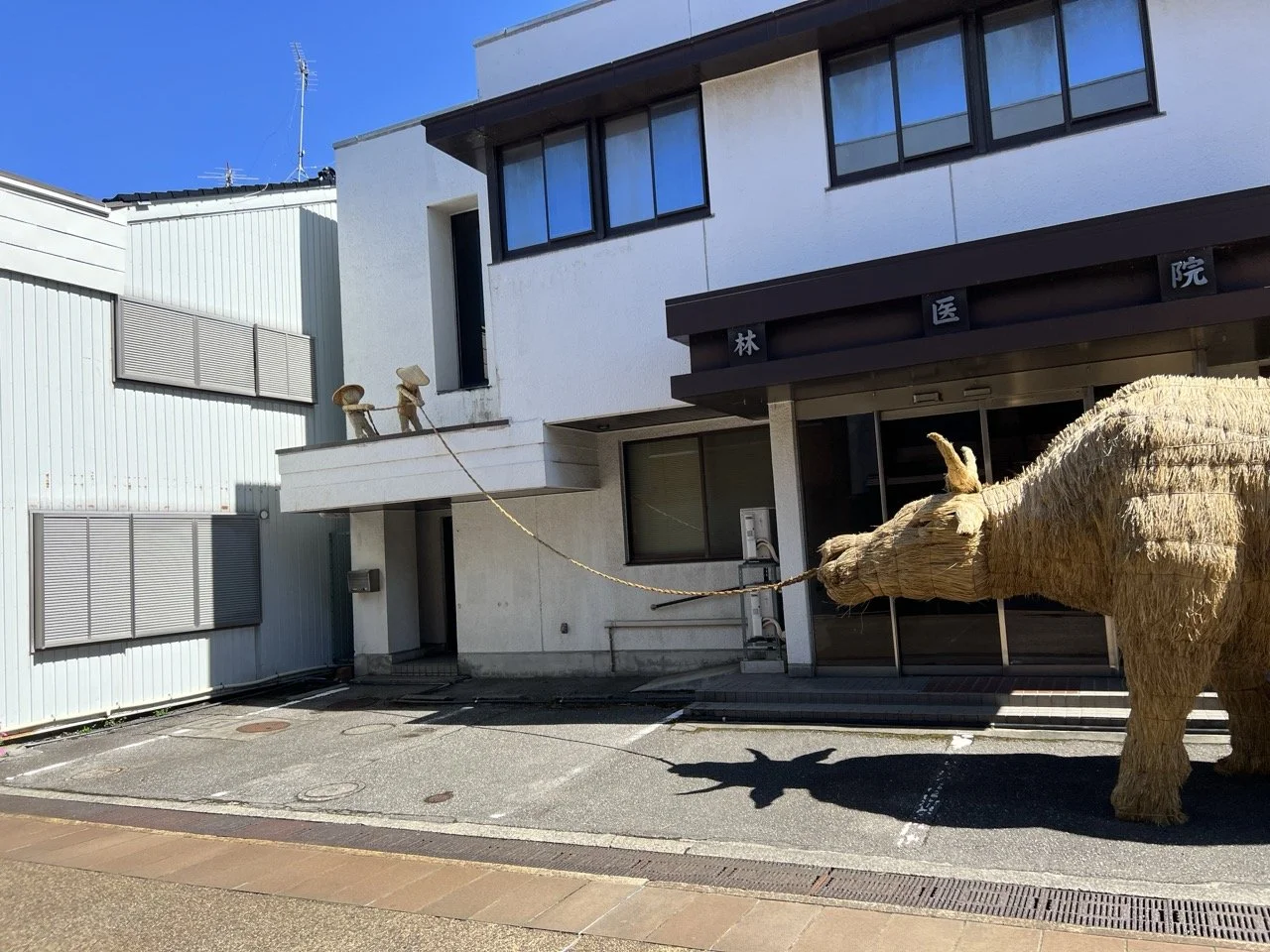
Details: Situated off Toyama Bay not too far from Mt. Tate, Toyama has what can only be called some of Japan’s most challenging climate issues. This city has the second-highest snowfall on average in the entire country due to the way weather is affected by the bay and the proximity of the mountains. In other words, yes, this is one of the places with the crazy high snowdrifts.
We’ll start with those; specifically, the route up Tateyama/Mt. Tate is an entire experience, involving trains, buses, and even a walk across a dam. Toyama’s proximity to the great outdoors means there’s a lot of skiing in the winter and wild hikes all over in the summer. Combining a Mt. Tate trip past the giant snow walls with a visit to some of the Gassho-zukuri is a popular way to get the most out of a trip to the region.
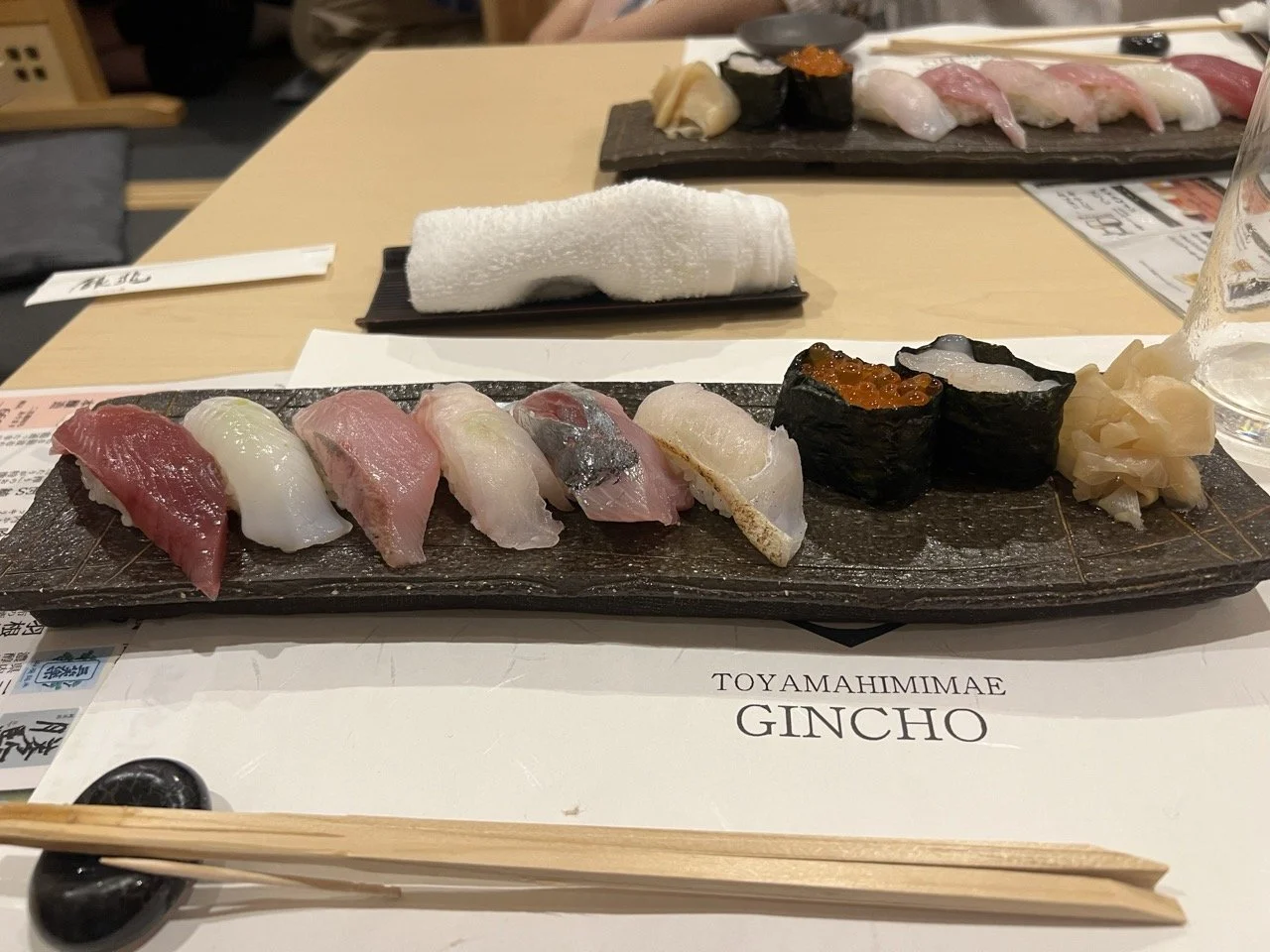
If you prefer your outdoors a little wetter, the abundant fishing in Toyama Bay is quite legendary and helps feed the local dedication to sushi, which is extremely good here. Seriously, if you love sushi, you really ought to visit. The pressed sushi is a local variety cut into triangles, but there’s also amazing seasonal catches. Firefly Squid also live in the bay; if you don’t mind getting up at 1AM and doing a little boating overnight, they have boats that will take you out in the hopes of spotting the little glowy squids just offshore.
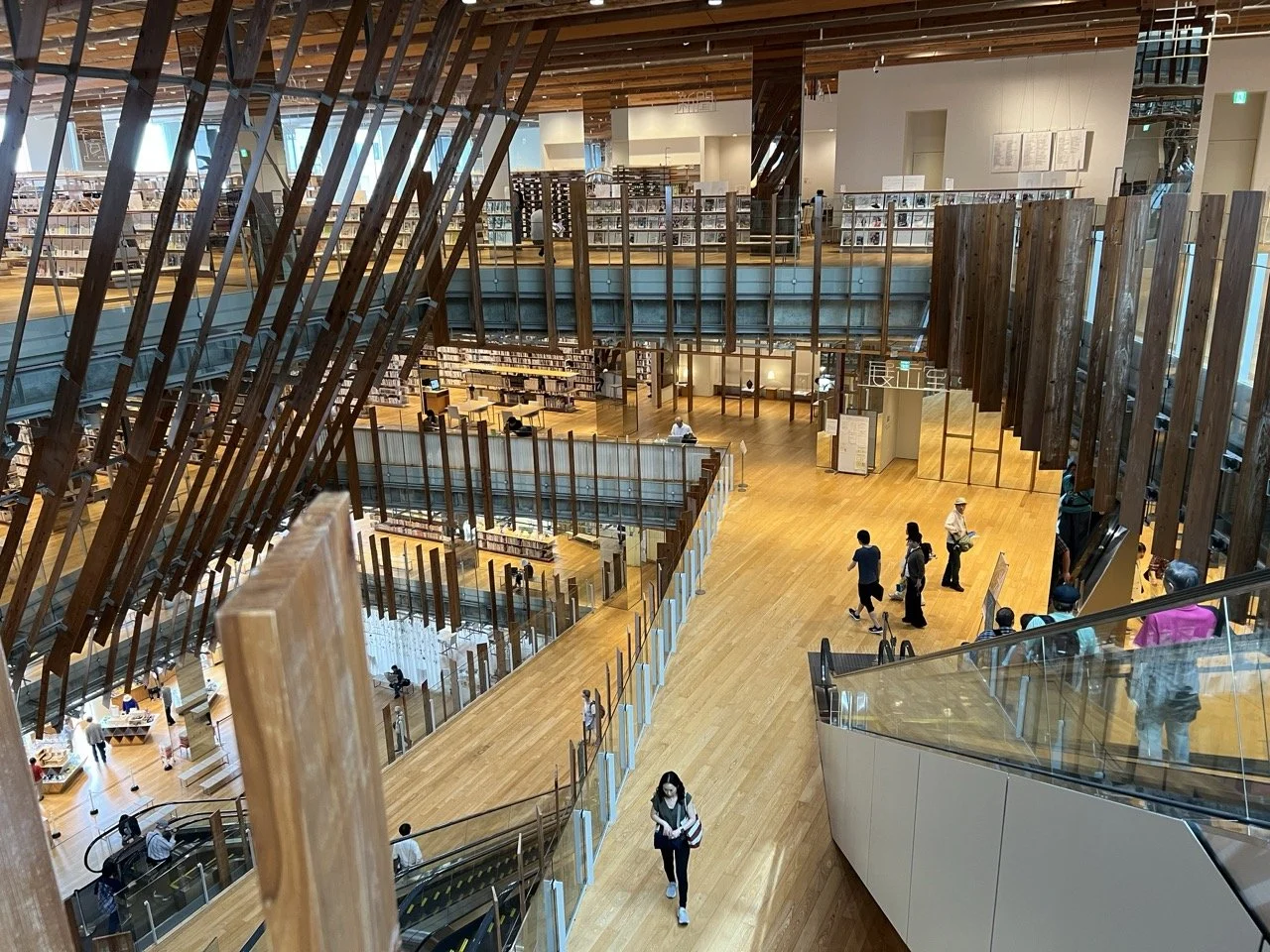
The city has a lot of interesting history. While it was a castle town, the location of the river serving it actually moved a long time ago, and now the castle park has both a river and a canal nearby. Catch a ferry from Kansui Park and you just might end up sailing through one of Japan’s few locks built to raise and lower boats. Closer to the water, the Higashi-Iwase area fell on hard times for a while, but thanks to the influence and funds of the toji at the wildly popular Matsuda Sake Brewery, the area is now also home to the most upscale restaurants in Toyama. The city also has a long history in glass production – a status that is celebrated at the Toyama Glass Museum, a fantastic collection of glass art inside a building that also houses the grand city Library.
Should you go? Of course you should! Especially if you like sushi and small-but-still-convenient cities.
UTSUNOMIYA (Sam & Ben Team Alpha Force)
Where: Utsunomiya City, Tochigi Prefecture
What: Populous capital of Tochigi Prefecture.
Details: With over 400 years of history as a place where the route to Nikko and to the north diverge, Utsunomiya has always been a place where travelers have stayed on their way to and from somewhere. That same energy permeates the city today in many ways; Ben mentions the Jazz and there are a large number of Jazz kissaten (traditional coffee shops) and clubs in town, not to mention hole in the wall Izakayas. The city’s true culinary love is Gyoza; the city has more potsticker places per capita than any other city in the country.
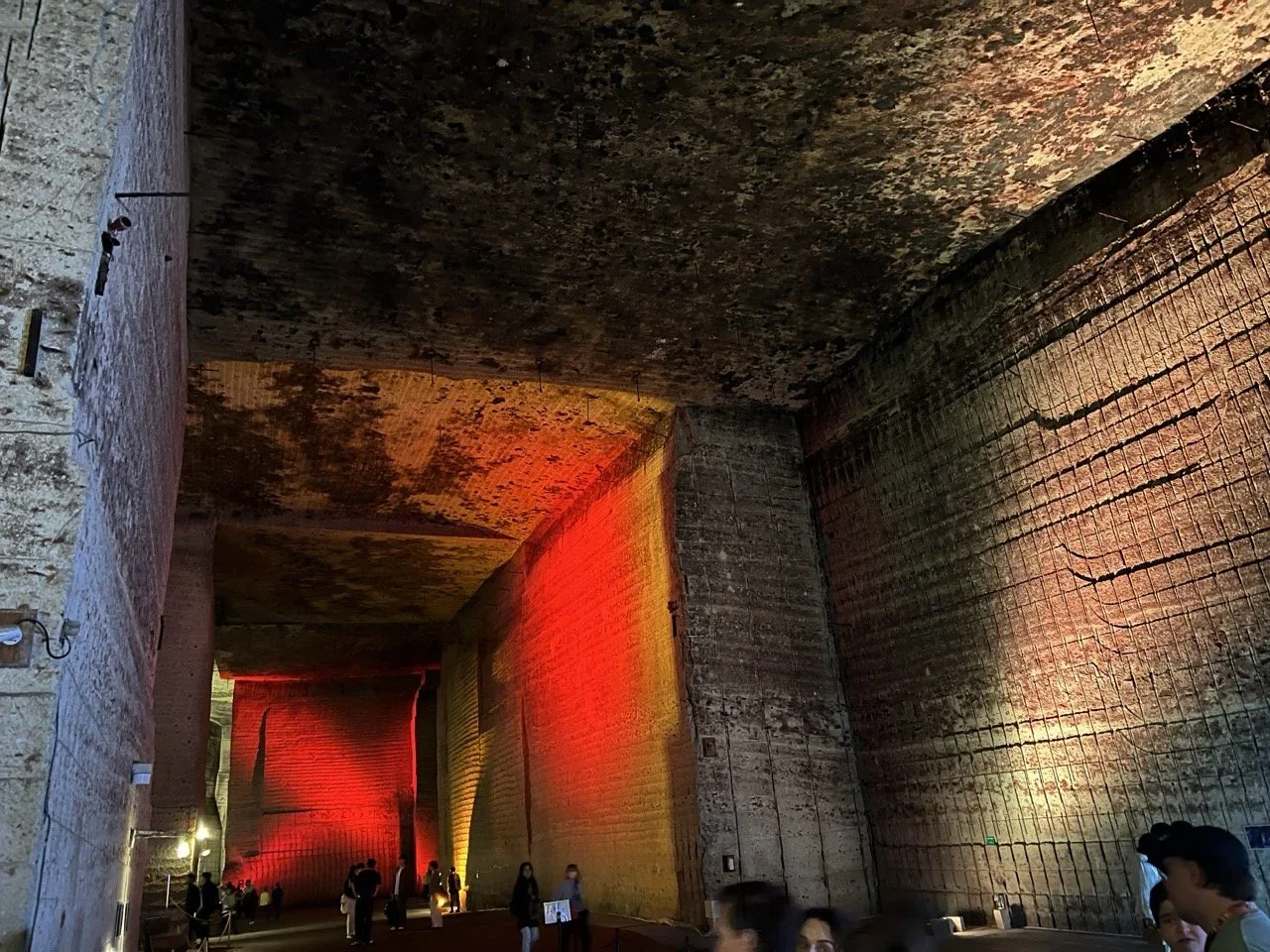
There’s more to Utsunomiya than just music and food though. The outskirts of town are home to the Oya History Museum, which is an old quarry where stone of the same name used to be sourced. These days, the quarry caves are used for film shoots, private events, but also just as a cool place to explore. Five minutes away is the massive Oya Kannon goddess statue. Also notable: two old castle ruins (including Tobiyama, where Adam hid in Hide & Seek), lots of seasonal farms for grape picking, and the Futa-Arayama Shrine that sits in the center of the city and has some amazing views from its summit. Trust us, the stair climb is totally worth it.
Should you go? If you’re on the way to or from Nikko, the city is definitely worth a stop over, especially for dinner and a night of drinks. It’s really easy to overlook Utsunomiya, but it’s a legitimately fun city that feels familiar to Tokyo while also being worlds away.
Utsunomiya was our final stop on last year’s Omakase journey, where we stayed in the hotel next to where Sam and Ben end their day. We spent our time there having some really amazing food and chatting about the trip’s creation; the video is below. :)
A BIT ABOUT THAT SCENE WHERE ADAM & TOM HAVE TO CHANGE RAILWAYS
Yeah, we’re about to talk about rail politics!
Japan’s rail system is rightfully viewed as the gold standard, and for good reason; it’s new, well run, punctual… you get it. When the former national rail privatized in 1987, the newly formed collection of JR rail companies were required by the government to keep up standards of service while also continuing to serve each community with care. They’ve done that, but in the last twenty years, they’ve become a little… creative in their execution. Specifically, they’ve spun off local rail services that used to be JR/JNR and turned them into “third sector rail” companies.
These companies are now partially publicly funded, usually by the prefectures they travel through. Which means that, unfortunately, travelers usually have to switch trains when a new prefecture is entered. This is what happened to Adam and Tom; they had to switch between the Toyama-funded Ainokaze Railway and the Niigata-funded Echigo Tokimeki Railway.
If you’re reading this and thinking , “Hey, JR screwed these less populous prefectures!”, I am sure that JR would argue against you, but you know who wouldn’t? A whole lot of locals and prefectures, who are now funding the railways partially themselves. JR still has to rent and subsidize the tracks for freight trains, which helps, but there are a lot of local folks who feel like JR gave them a raw deal. There were people who warned that this might happen; among them the citizen groups who tried to stop the split from happening in the first place. They even produced a TV commercial:
The situation has drawn a few comparisons to the British Rail Privatization experiment that Sam made an excellent video covering on the Wendover channel. Japan’s situation is not nearly as dire as the one in the UK, but there has been a lot of pushback. Specifically: the reason the Nishi-Kyushu Shinkansen hasn’t been completed through Saga Prefecture is that locals and the Saga government do not want to pay for a Shinkansen line only to have JR Kyushu then dump the lines that serve their prefecture onto their head. Many of Saga’s big population centers would be seriously affected by such a move, and after what’s happened to Niigata, Iwate, Fukui, Toyama, Ishikawa, and other places, Saga doesn’t want to become the next statistic.
Where the whole thing goes is anyone’s guess (JR Kyushu and the governors of neighboring prefectures are trying to get Saga to the deal table), but don’t expect this problem to vanish any time soon. Okay, back to the game…
ICHIBURI STATION (Adam & Tom)
Where: Itoigawa City, Niigata Prefecture
What: A port town on one of the most scenic parts of the old Hokuriku Main Line.
Details: Ichiburi was its own town more than 100 years ago, when it was merged into another town, which was later merged into Itoigawa (mergers, or gappei, are really common in Japan and the source of a little bit of cultural conflict in recent years). The town itself is pretty non-descript; there’s fishing and a few shops, but that’s it. Nevertheless, it was home to a famous inn featured in Basho’s Narrow Road to the Interior, which means that occasionally literary fans skip (pardon the pun) through.
Should you go? It’s not much in the way of attractions, but considering the quality of the sunsets around here, a ride through on the train at the right time of day can be a downright magical experience.
Random Notes
I wanted to start this week on a Layover note about Adam explaining how he pictured the structure of this season:
“One framework for the challenges that I really liked was…what if this series kind of is a ‘how would you fit in everything you would ever want to do in the best trip to Japan you’ve ever been on?”
Of all the statements I’ve heard on Jet Lag and The Layover, this was the first one that really sounded like what we do at PacSet, and on a grander scale, what many travel professionals do.
I’ve often told people that my job is 100% logistics; a combination of time management and resource allocation dedicated to one goal: create a journey that maximizes the stuff groups get to do, but also doesn’t run them ragged. It’s a very hard balance to strike; we have over a decade of survey data that says that people don’t sign up for a trip unless there’s a lot of things on it. So hearing Adam’s discussion of “fitting in everything” on a show that lives at a frenetic pace felt a bit familiar to me from a planning standpoint. However, to me it also hints at the feeling behind another part of the statement: “the best trip to Japan” and the speed of travel hints at the persistent feeling of FOMO I’ve seen affect contemporary travelers to the point that they’re a second or two from a nervous breakdown.
One of the most valuable lessons I’ve learned doing this most of my life is that there will always be something you might miss. However, no one is limited to one trip, and more importantly, almost every traveler regrets not giving themselves time to explore more than missing a shop or place the internet told them is awesome. The reality is that there will always, always be cool stuff you don’t know about somewhere. It can’t be helped, but if I can offer a small justification for my job, it’s that a good travel professional will listen and try to point you towards things that fit you specifically. I think the soul of a lot of good vacations start not with the planning, or time crunching, or scheduling the hotel that’s perfect/at the right budget/whatever; it’s about really, honestly reflecting on what makes you happy normally – or speaking to someone who can hear your story and point you in the right direction.
Fun fact about the gate of Kanazawa Station: it’s actually shaped like the small drums that Geiko used in teahouses in the area for playing music. The two “drums” make up the two sides of the gate. And yeah, it’s pretty amazing to behold.
This got mentioned on The Layover, but I am also quite shocked that no one made it to the environs of Mt. Fuji. Still, I don’t think the show suffered for it. Trust me folks: Japan has a lot of really pretty mountains.
We at PacSet have to admit that the bus booking system in Japan is, to put it lightly, just a little confusing. We can’t fault Adam and Tom for missing the need for reservations, since it’s pretty common and sometimes the need for reservations is in the small print. We check and re-check routes like that out of paranoia before every trip we run just because it’s a disaster if it happens.
Still bummed that we won’t be at the cinemas for Friday’s show, but hey, we’re having a blast on Pawprint Pathways. We’ll be back next week to unpack the penultimate episode!