
This Week @ PacSet: Confirmations and Clockwatching
We have a TON to get to this week, so we’ll get right into it…
PriceS confirmed for all 2026 trips!
After many hotel phone calls and a complete run through of all the price changes that JR made nationwide (yes, the train is getting more expensive!), we’ve been able to confirm pricing on each and every one of our 2026 trips. Only three trips remained without a price; one went up a little, one stayed the same, and one dropped. Let’s get into it…
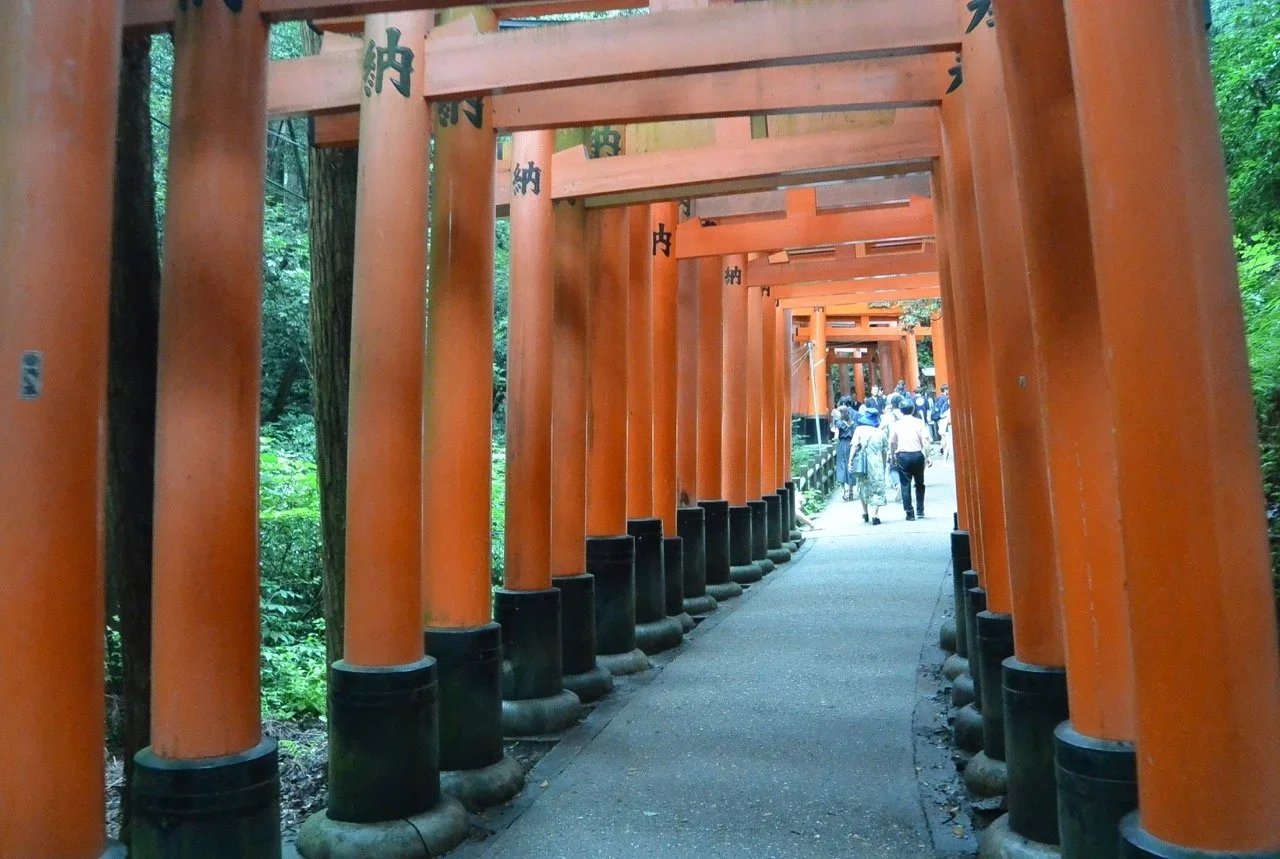
July 15* - 22, 2026
OSAKA • KYOTO • KOBE • MATSUE • TAMATSUKURI ONSEN
🇯🇵 Epic Osaka and Kyoto culture meets relaxing Shimane hot springs
🏮 Experience Kyoto's famous summer festival day and night
🚅 Seamless travel, 4-star lodging, guide, and baggage shipping
🍵 Enjoy sweets and cafe time in the green tea capital of Uji
CANCELED
FROM THE CITY TO THE LAKE 2026
Estimated Price: $3,095
Final Price: $3,195
For this one, we took the most popular part of our Best of Japan trip series, the Gion Festival, and paired it with a shorter, action-packed schedule that also features fireworks, two castles, and an amazing hot spring/onsen to wrap up the trip. The increase on this one, sadly, is a reflection of the season; summer hotel prices in Kansai have spiked, but fortunately, we only had to add $100 to the price. If you’re looking for a short escape from work, or a little something special to add to your already set upon Tokyo time, this one is well worth a look!
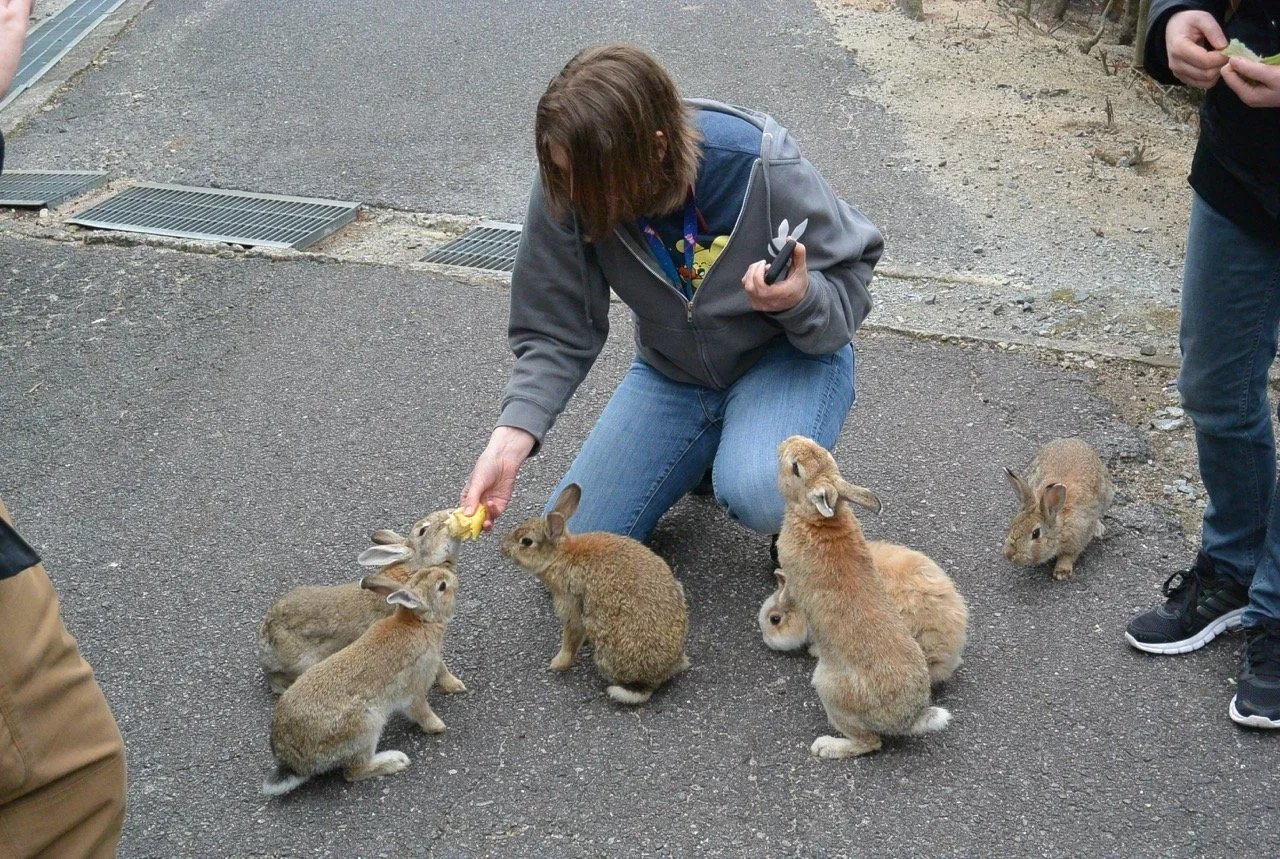
September 25/26* - October 10, 2026
The ultimate Japan experience for Animal Lovers.
🐰 Unique encounters with Japan's friendly animal residents
🐒 Visit the famous “monkey onsen” where Japanese macques bathe
⛵ Experience one of Japan's "best 3" views in Matsushima
🏙️ Hiroshima to Tokyo, hitting all the best spots
$4,695
Estimated Price: $4,695
Final Price: $4,695
This journey covers half of Japan, includes all the popular spots you’ve heard of (Tokyo, Kyoto, Osaka, Hiroshima…), AND you get to visit a whole bunch of adorable animals in their natural habitats along the way! If that isn’t a winning combination, I don’t know what is.
This one is one of the most comprehensive, complete Japan vacations we offer, and the price? Seriously: we dare you to look online for other trips that cover this much space and give you this much stuff, PLUS free time, for this price. Here’s what Pawprint includes:
14 nights of three and four star accommodations, including two nights in a hot spring resort
Bag shipping, talented guides, and an entire suite of industry-leading pre-trip orientation materials so you arrived ready to have fun instead of arriving stressed
Tokyo, Kyoto, Osaka, Hiroshima, Okunoshima (Bunny Island), Tashiro-jima (Cats), Ishinomaki, Sendai, Matsumoto, Yudanaka Onsen, and a whole bunch of stuff in between
A free day in Osaka/Kyoto AND a free day in Tokyo, plus guide assistance to plan your time. This trip has EVERYTHING.
Did I mention the animals? Seriously, they’re adorable.
Two weeks, everything you want, and the time to do even MORE of what you want. Oh, and a ton of the spots that our previous guests have liked more than those places TikTok and Instagram rave about. What are you waiting for? Let’s go!
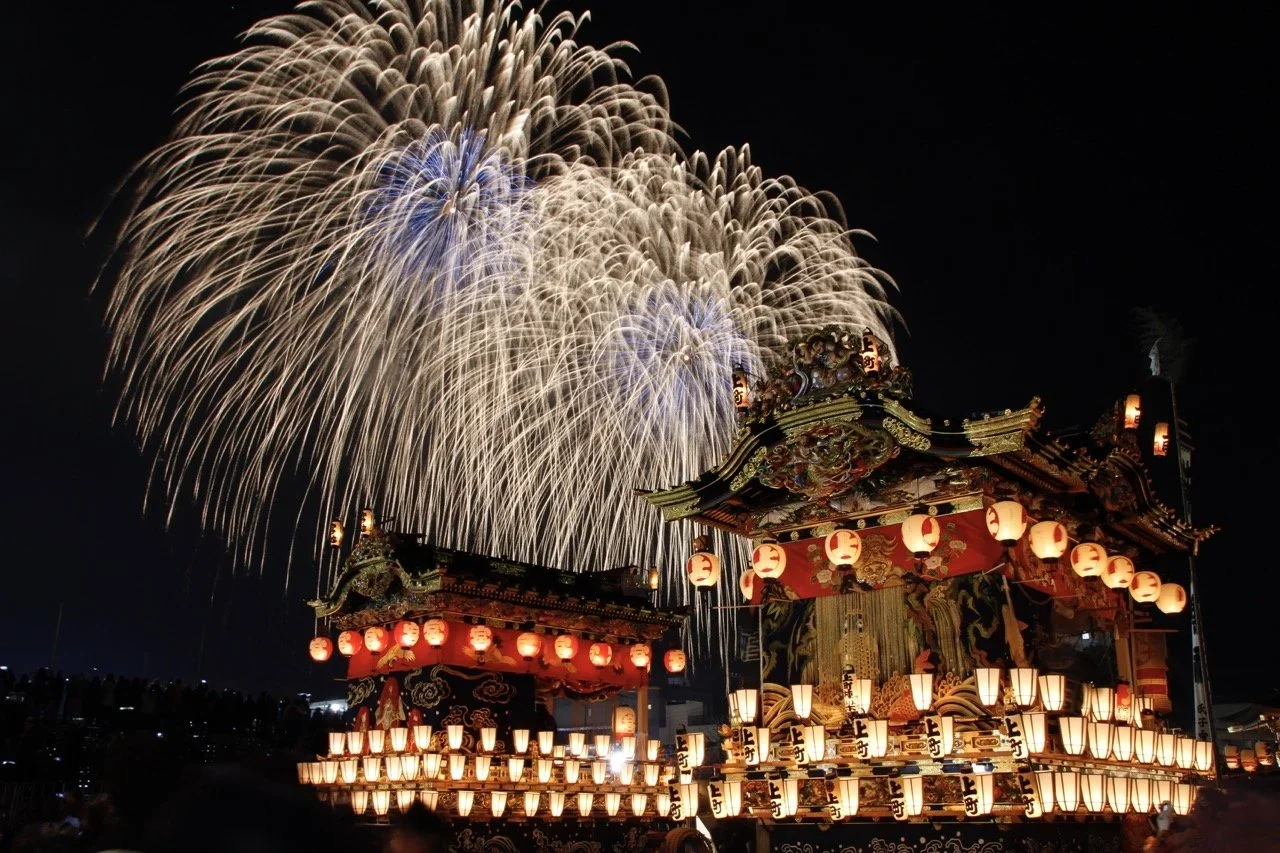
November 30/December 1 - 12, 2026
TOKYO • SAITAMA • CHICHIBU • KOGA • KOBE • KYOTO • OSAKA • NAGAHAMA
🌙 Experience Japan by night at festivals around Tokyo
🗼 Enjoy street food, temples, and amazing views
♨️ Hot spring resort stay near Lake Biwa in Nagahama
🎁 12 days, premium lodging, transport, and guide included
$4,095
JAPAN HOLIDAY 2026
Estimated Price: $4,295
Final Price: $4,095
Night owls, festival lovers, and people looking for a good deal on a journey to Tokyo, Kyoto, and Osaka rejoice: Japan Holiday has become cheaper.
Our annual December festival trip got a rework for 2026, and it’s one heck of a steal:
11 nights, with 6 in the Tokyo Area, 4 in Kobe outside Osaka and Kyoto, and one in Nagahama for a night at a resort hotel overlooking Lake Biwa.
THREE amazing festivals outside Tokyo
Exploring, shopping, free time, temples, and more!
This is a trip built for first timers and repeaters alike. The big hook on J-Hol for 2026 is that it’s a little more evening-oriented than usual; all the festivals happen in the evening, so the schedule matches by putting a lot of the happenings we’ll see in the later hours. So if you are more of a night owl, or you just want to experience a different side of Japan’s most popular cities, this is the journey for you!
As always, you can contact us with any questions about any of our 2026 trips, or if you just need help picking which one of these fun little adventures you should go on:
NO TIME LIKE THE PRESENT
We’re currently taking a massive survey of travelers – both our alumni and new travelers alike – related to the state of Japan travel (link). As we continue to collect responses, we’re taking a little time in our weekly blog to respond to some of the topics and issues that come up in the responses. This week, Evan tackles the immovable force that governs everything we do or attempt to do: time.

Of all the aspects of trip planning we wrestle with at PacSet, the biggest is unmistakably time. Every single itinerary we produce is meticulously timed out with one goal in mind: to get the most into a schedule in a day (value) on a schedule that fits their life (trip length) while still allowing for lots of exploration time in the places we visit (timing).
A few replies to our survey have asked for more time on our trips. Here’s a good example:
More multi choice free days. I love the option to tag a long with the guide and do the thing, but some of the exploration that I did on my own or as part of a free day excursion were my most memorable experiences in Japan. I get that others don’t want to or maybe are unsure of exploring something on their own, so having it as optional is fantastic. This would require more time for some destinations, so maybe that’s what I am asking for?
We often see responses like this on the post-trip surveys we take at the end of each trip. More time, more options both guided and unguided, and so forth.
On our current survey, we’ve also received a number of replies like this one:
Shortern trips a few days. Youve fallen victim to hyperbolic feedback and made trips too long. Ofcourse everyone says theyd like longer trips. But PTO rules are usually max of 2 weeks for a lot of people.
While this sort of comment might sound abrasive to the “we want more time” crowd, the writer has a point: since about 89% of PacSet’s business comes from the USA, which has far less generous paid time off (PTO) policies than the rest of the world, PTO limits (or what we like to call “the PTO wall”) is something we struggle with whenever we are planning our trips.
Many of the survey replies noted that our new line of shorter trips helps with this (thank you for the positive feedback ❤️), and I will admit that the PTO wall is the biggest reason we created trips like Hokkaido Adventure and Omakase Mini. We’re going to keep offering shorter trips going forward to better serve guests who work for less charitable employers. Likewise, we’re going to keep offering longer trips like Pawprint and Japan Holiday because, for those that do have the time, it just makes more sense to add more time to a journey so you can see more of Japan while you are, ya know, in Japan. That balance of short and long trips will continue to define the schedule for the foreseeable future.
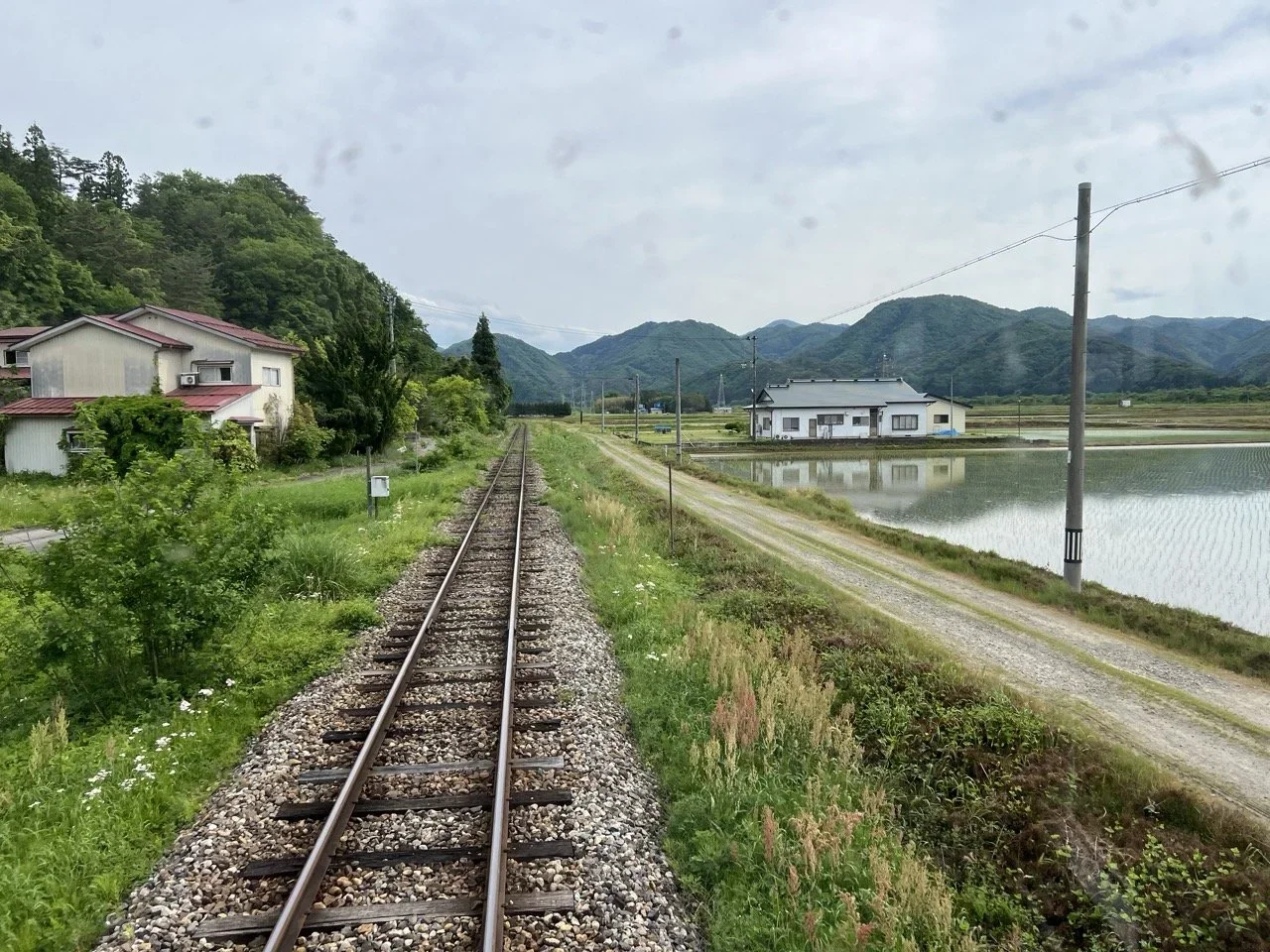
FIGHTING THE CLOCK (KINDA)
Then there’s the matter of timing. PacSet’s been around for more than a decade now, and we’ve run pretty much every version of an schedule that we can possibly come up with for all the places we visit. Sometimes, it’s a matter of starting with a certain spot since the train schedules favor it, and in other cases, it’s scheduling things that are next to one another for the sake of timing. On top of that, we try to prioritize methods of transit that also let people sit down/rest if we can. A few of my favorite examples from over the years:
One of our Kyoto schedules sticks to Higashiyama since you can walk from place to place and avoid the local buses, but another crosses from an opposite end of the city to another (Fushimi Inari to Arashiyama) only because they are destinations with less-than-crappy rail access (which we can’t say about places like Kiyomizu or Kinkakuji), which allows us to cross 14km by train instead of only 2km (or less) by bus in the same amount of time.
Taste of Japan’s Nakasendo hike day begins with the 8:50 train arrival only because it’s the only time where the transfer to the bus to Magome is only an 8 minute wait. All other times, you’re wasting an hour. This choice puts an entire hour of time back on the schedule for fun things/soba/exploring/more soba. :D
Last year’s Soul of Autumn trip shifted to a later train from Akita to Ajigasawa after we did a two-hour re-analysis of the previous surveys and realized that it was more important to give people free time in Akita City to see Senshu Park and the Kanto Festival museum, while also enabling us to catch sunset right at the time we pass the Senjojiki Rocks where the one train also lets you get out of the train to take in the view, but you can still catch it from the train, giving people a chance to experience the sunset at the most optimal time in the way they choose and hey do I sound crazy? I sound crazy right now, don’t I? Sorry everyone.
Seriously though, you would not believe the amount of schedule-related dry runs and simulations we produce for our trips. Picture the Charlie Day string wall meme stapled to the top of a semi-truck going down the interstate. It’s wacky. But hey, when it works, it feels magical. One of my guests last year told me that they thought I was a wizard because, “every time we get to the station, it feels like you’ve magically summoned the train at the perfect time.” I can’t overstate how happy that feedback made me. 🥹
So we’ve discussed the role of trip length and the role of timing. I’d like to get to the third leg of this step-stool next: percieved value.
THE THIRD LEG?
Yeah, making a trip attractive enough that people want to buy it. You see, the general consumer…
OH GOD HE’S TALKING ABOUT CONSUMER BEHAVIOR NO EVAN STOP
Okay, okay. Let me back the train up a little bit.
YOU JUST USED THAT PHRASE BECAUSE YOU LIKE TRAINS!
Yes, that’s true, but seriously, let’s discuss why the hell consumer perception matters. I’ll try to make it entertaining, I promise.

Why are we so pre-disposed to put more into a trip? Well, that’s the big issue: while we’re trying to make a schedule work, we also have to do the work of selling a product. While we do like to focus on the stuff that we like and that we know our guests like, we also have to do things like pay our rent. So, in the end, anything we put up on the site (including the shorter trips) needs to have enough cool stuff on it that people feel motivated to give it a shot. This, my friends, is very very hard.
You see, the one lesson we’ve learned over and over across our fifteen years of existence is this: when you’re selling a product that costs thousands of dollars, people need to feel like it’s worth it – and that’s okay! Going to Japan is an investment, and when you’re saving up for something like that, humans like us want to get the most out of the experience we’re putting our resources towards.
For generations, destinations like Tokyo and Kyoto have been advertised with phrases like “vibrant” and “exciting.” Everyone knows that these are places where you can do a lot of stuff, all of the time – and that’s how they are advertised. So it’s not a surprise that first-time travelers to those locations are going to want to do as much as they can. We’ve welcomed many travelers who end up liking a lot of what Tokyo has to offer less than they expect to, but still spend every free moment trying to get to random cafes or other destinations because the FOMO is so, so powerful.
Many of these guests then tell us in their post-trip surveys comments not too dissimilar than the first comment above: the exploration/the unplanned/that place I didn’t know about ahead of time was the best. Our own data has backed this up for more than a decade; the number of people who end up liking the place/event/thing that motivated them to sign up the most are in the minority by a huge margin. On average, 70% of our guests cite something they didn’t expect to love/didn’t know about as the highlight of their trip. We know this – and honestly, we take a ton of pride in helping travelers discover aspects of Japan and Japanese culture that make them want to explore and learn more.
AND YET…
The reality is this: all of our trips need to have time for the stuff that brings guests in AND time for that exploration + the destinations that people know less about but we know they’ll love. Oh, and that also has to apply to trips that are built to combat the PTO Wall. Yikes.
This especially affects the trips we offer in the “popular” areas of Tokyo, Kyoto, and Osaka. I will be the first to admit that the first three years of PacSet’s existence were spent tweaking and re-tweaking the timing and pacing of trips to find that sweet spot where people got to do the stuff they expected to do, plus the other cool stuff, without feeling run down or exhausted.
We are not alone in these struggles; the most common mistake first-time travelers to Japan make is over-planning. Go to any travel forum, blog, or chat and you’ll see a plethora of itineraries by travelers planning to do stuff like see Shibuya, Ikebukuro, and Harajuku in one day, followed by a ton of commenters begging them to reconsider. PacSet’s itineraries by and large reflect this; our Harajuku and Shibuya schedule is built around key stops – Meiji Jingu Shrine, Kiddy Land, PARCO, and so on – that we can promote, but also double as meeting spots when people elect to explore other areas and check out destinations that tend to get a better response from repeat travelers. Even on trips to places like Sapporo, we try to make the meeting spots and locations be the kind of spots that can easily lead to “side quests” with (or without) a guide to spots that fit each guest a little bit better once they get to the city and discover what really piques their interests.
Although we’ve improved in pacing over the years (a fact I am VERY proud of), on many urban trips we’ve done, we’ve heard about the pace from our guests, and many times we’ve tried to offer slower-paced trips in response. Even now, we get requests for those trips, or requests for us to bring back a Tokyo-centric trip oriented towards slower pace, like Sun and Sakura. So why haven’t we? Well, there are some things we don’t need to take a survey for; we have ten plus years of solid, irrefutable data that tells us very clearly that those trips do not sell.
For years, we’d put up relaxing, slower-paced trips every single year. Some years, we offered two. And every single time, they just didn’t sell. It felt like this.
One of our big theories about why trips like Rural Relaxation have performed well compared to Sun and Sakura is more about their destination and theme. Rural goes to places where life is supposed to be a little slow-paced and chill. Sure, if you visit a place like Kochi or Tokushima, you’ll quickly realize that those cities have a lot of cool stuff to explore and more than enough “stuff” to fill a few days, much like Tokyo. However, that’s not how those cities are typically percieved, and for the first-time traveler, perception is a force you can’t really fight – especially these days, when the debate over what Tokyo offers, what it is like, and its popularity is raging almost everywhere.
In conclusion: I can say with certainty that any trip you take with PacSet will be timed right and offer more than enough goodies to make the journey worthwhile. Most of all, we invite all of you to continue to offer your feedback as to what you’d like to see. We do this for you, and we truly do value your input and feedback.
ONE LAST THING…
One other thing that the first comment mentions is what were their most memorable experiences in Japan. This gets at another topic that I hope to cover later in this space: the role of perception and feeling in the travel space. However, that’s a much larger topic for another day, so I’ll leave you with a silly pic from this year’s Anime De-Tour:
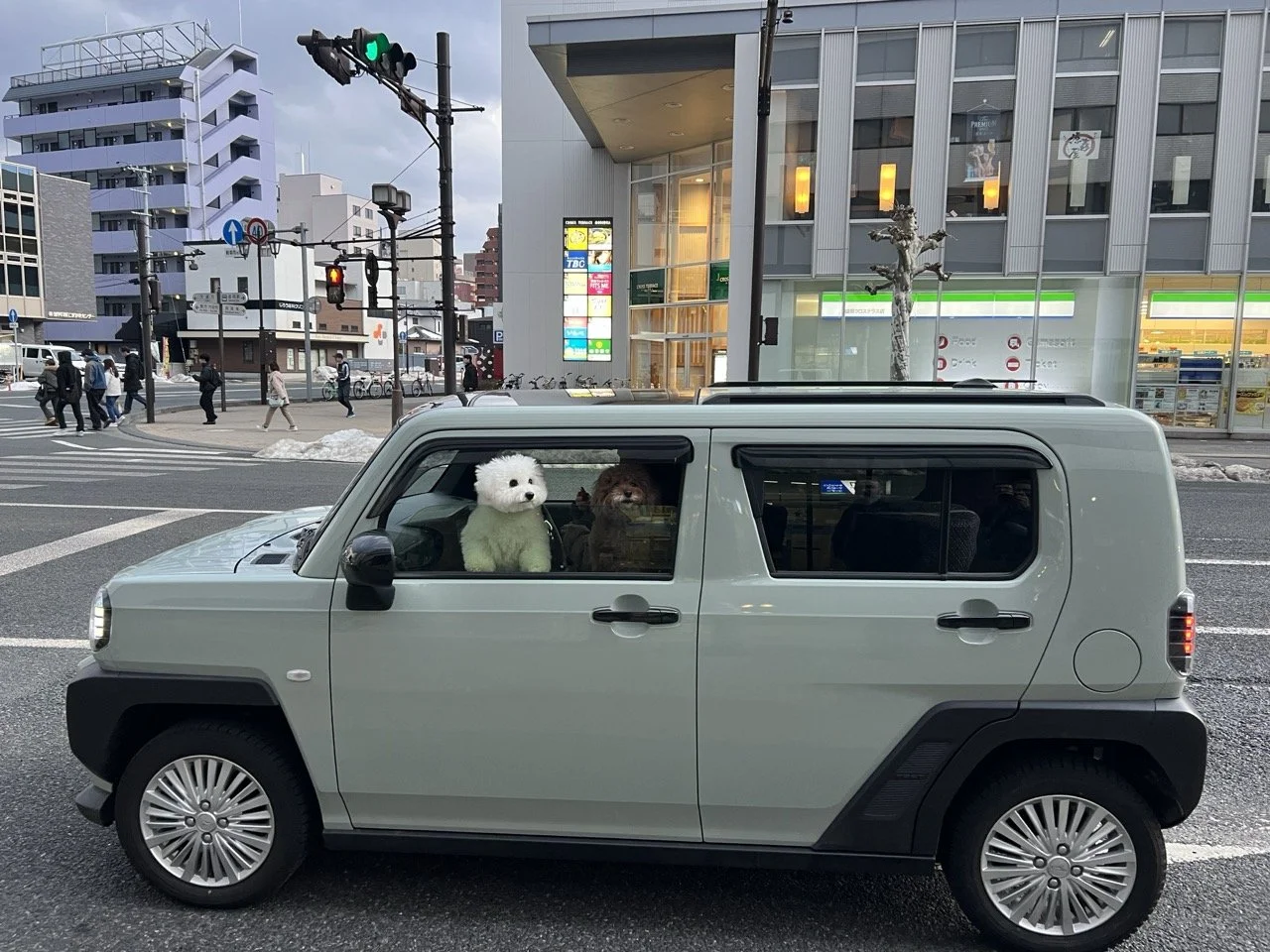
Look at that adorable sentient mashed potato saying hi to us. Bonus: it took us a few seconds before we realized there was a second dog in the car. Thanks for welcoming us to Morioka, buddy.
-E
Next week: More about the prizes for the surveys, an oddball sale for the SoCal folks, and some more Q&A from the survey.