
WELCOME TO KYUSHU NIGHT!
We are thrilled to have you here! Scroll on for more info about what’s in your glass. Kanpai!
hey, what am I drinking?
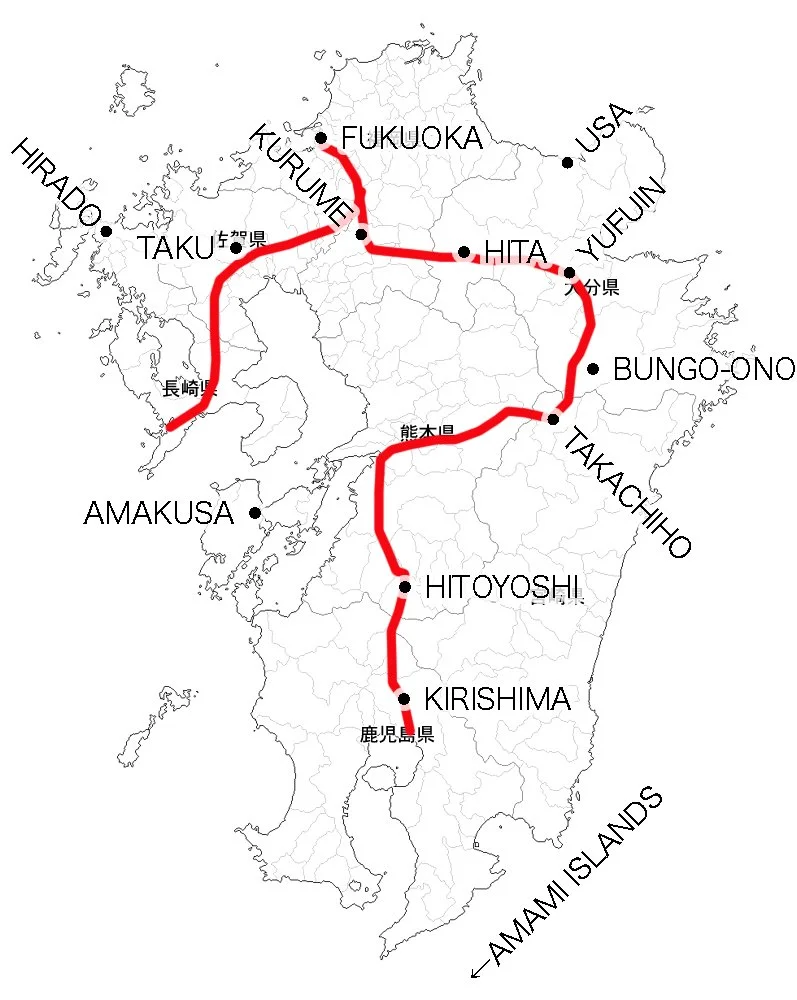
Click the locations on the map to learn more about each place and its respective sake or shochu. The red line is the route for Kyushu Explorer (see below).
What is Shochu?
Shochu (焼酎) is a distilled spirit, often made in a multi-stage fermentation process with a starch of some kind (rice, barley, sweet potatoes, and more) to give it a unique flavor. While beloved across Japan, shochu distillation is legendary in Kyushu, where most locals prefer the beverage to sake.
Not to be confused with Korean soju or other distilled liquors, shochu does serve as the base ingredient for many popular Japanese alcoholic drinks, including canned Chu-hi, “Lemon Sours”, and more.

About Kyushu Explorer
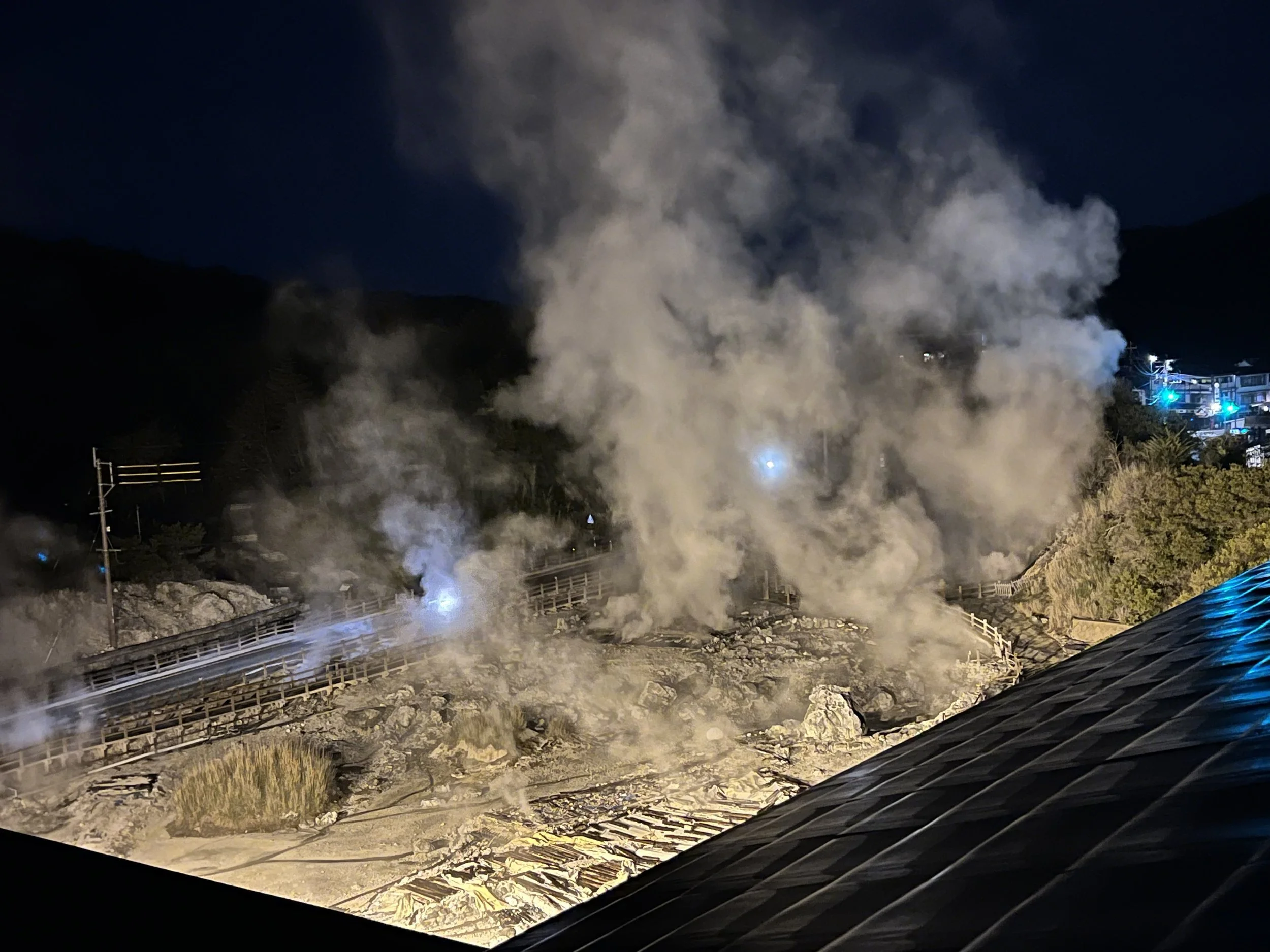
Covering every prefecture in Kyushu, Kyushu Explorer is PacSet’s most ambitious Kyushu offering yet. Featuring shochu distilleries, interactive craft activities, river rafting, four nights in unique hot spring resorts, rural shrines, volcano hikes, ramen stall hopping in Fukuoka City, and much more, it truly is a journey for everyone!
Learn more about Kyushu Explorer by hitting the button below:
AMAKUSA SHUZO • AMAKUSA, KUMAMOTO
Amakusa Shuzo is the only brewery located on the Amakusa archipelago. What started as a potato shochu distillery eventually changed to rice and wheat shochus during the reduced-pressure shochu craze. Yutaka Hirashita became the 4th generation owner after graduating from college and returning home, and have since returned to their roots. Amakusa’s potato shochu, made with potatoes and rice grown by the distillery, is a full-bodied, sweet shochu with a deep flavor. Amakusa produces a wide range of shochus, from delicately sweet rice shochus, to well-aged koshu shochu.
ABOUT AMAKUSA
The story of Amakusa is a tragic one; one of the largest rebellions against the Tokugawa happened here in 1637. Visitors will notice the large number of churches, but you’ll also see visitors sailing in the hopes of spotting dolphin pods among the picturesque isles strewn between the larger islands. Much of the islands are a designated national park, so hot springs and outdoor leisure activities are everywhere! Day trips are possible from Kumamoto, but if you want to really get into this land, try ferry hopping and driving from Kagoshima through Amakusa, finishing with the Shimabara area through Nagasaki.
ASAHI DISTILLERY • KIKAIJIMA, AMAMI, KAGOSHIMA
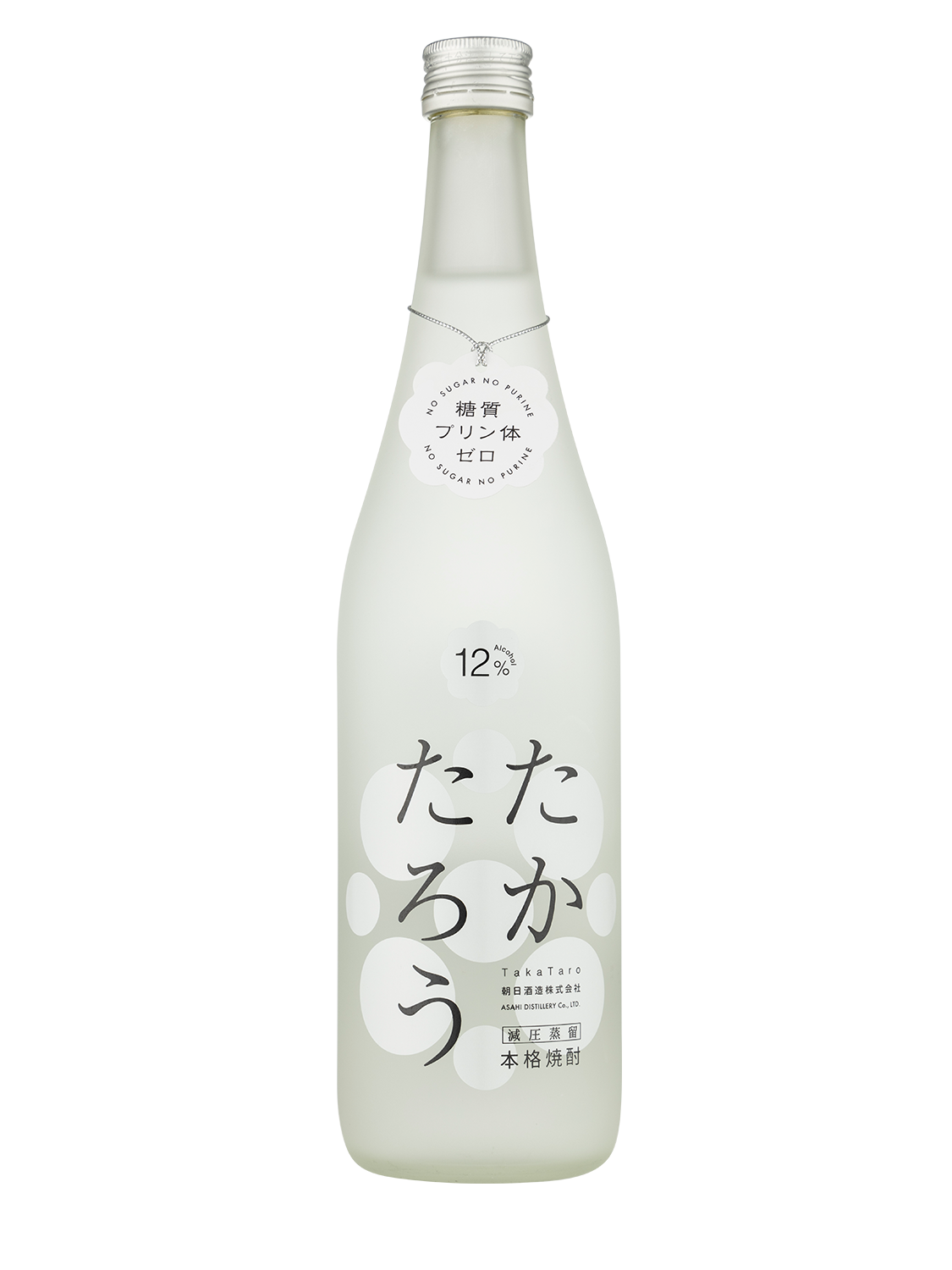
Since 1916, Asahi Distillery has been crafting kokuto shochu on Kikaijima, an island distinguished by uplifted coral reefs and situated within the Amami Islands in the southern region of Japan. With a rich historical heritage, the production of kokuto shochu is exclusively permitted in the Amami Islands. In 1999, Asahi Distillery started its own sugarcane cultivation to produce the main ingredient kokuto. Employing entirely organic agricultural practices, all stages of sugarcane cultivation adhere to organic farming methods. This unwavering dedication culminated in the attainment of organic JAS certification in 2015. The resultant kokuto, a product of Asahi Distillery’s efforts, truly embodies attributes of “safety, dependability, and premium quality.”
ABOUT THE AMAMI ISLANDS
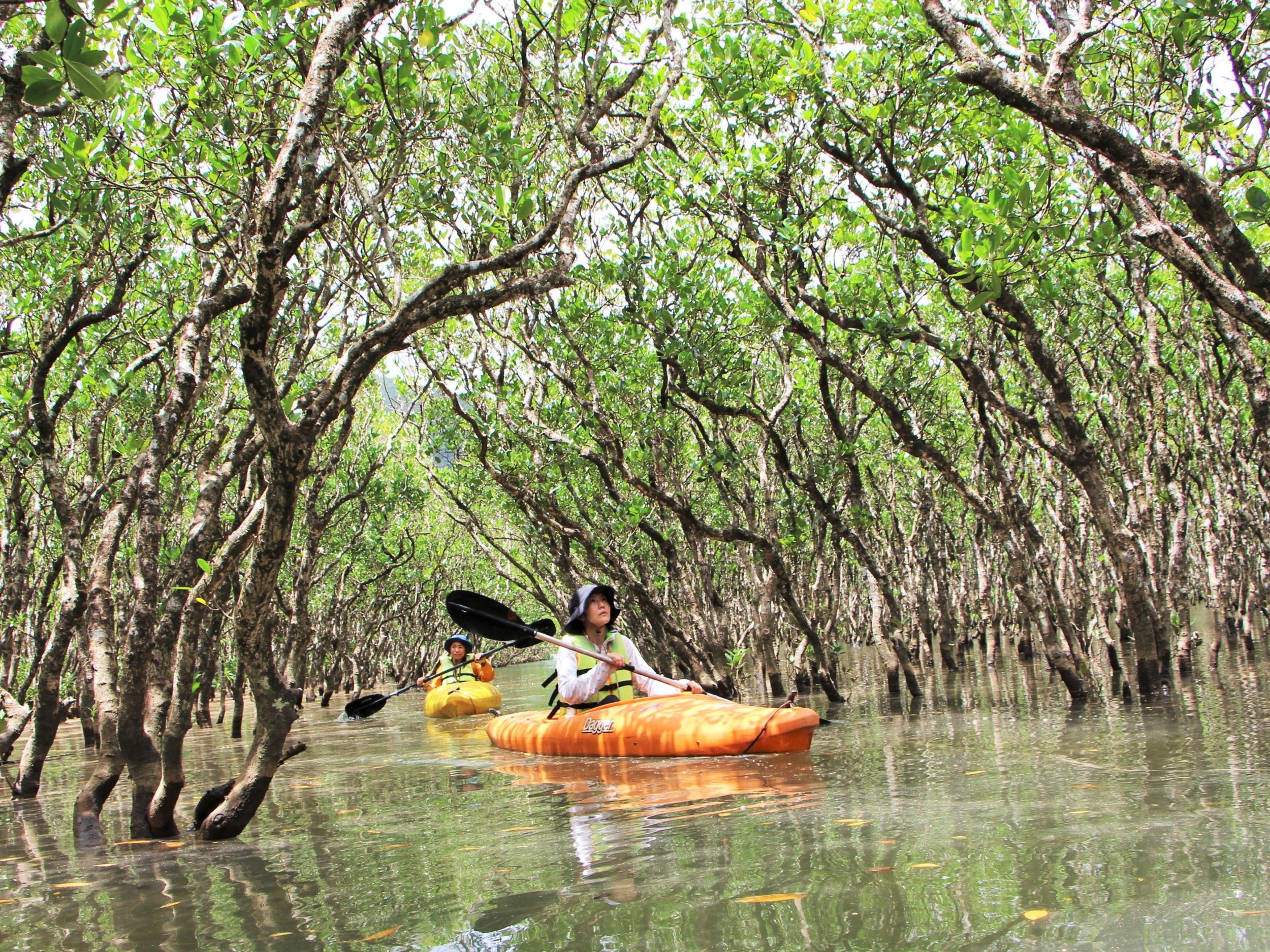
Stretching from Kagoshima towards Okinawa, some of the Amami Islands used to be part of the Ryukyu Kingdom. The entire chain of islands became part of Satsuma Province in the early 1600s. Today, they offer some of the most unique landscapes you’ll find anywhere in the world: mangrove forests that you can paddle through on Amami Oshima, sugarcane fields along Kikaijima’s “Sugar Road”, colorful, volcanic landscapes on Okinoerabu, and the beaches of Yoron, which rise and vanish with the tides. Each island has its own unique traditions and cuisines, making each journey here a magical one.
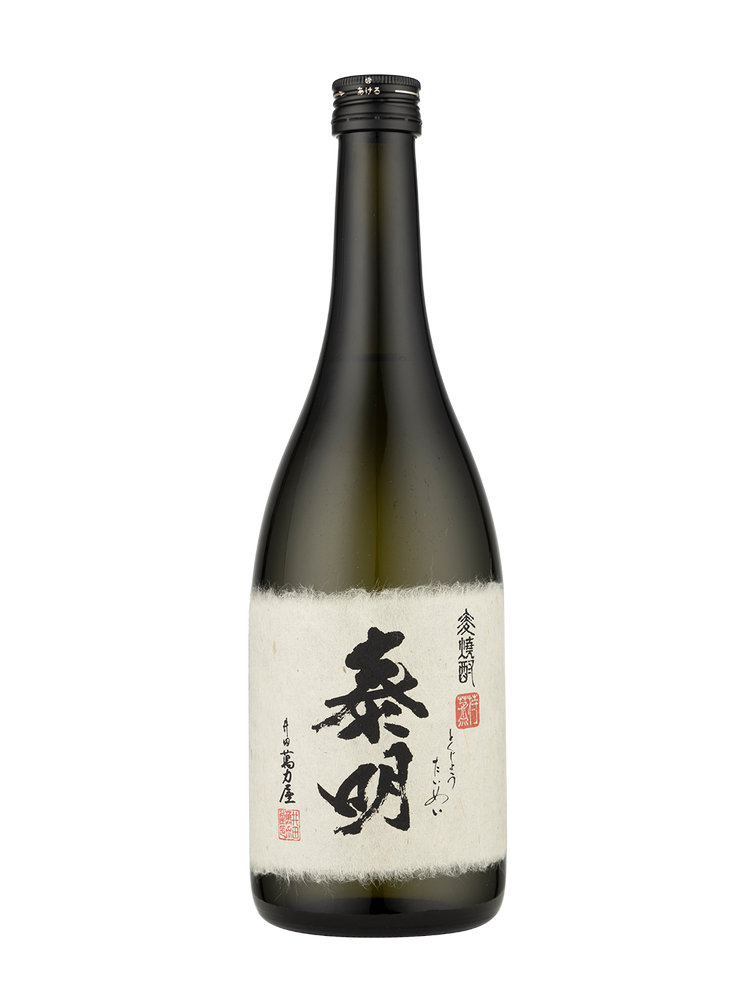
Produced entirely by hand by two distillers, Taimei Fujii is a rare 100% barley shochu from southern Oita prefecture. Often produced with rice, Taimei chooses to utilize locally grown barley for their koji which is produced in house. The resulting shochu is full bodied and rich in flavors that celebrate well grown Japanese barley.
ABOUT BUNGO-ONO
While Kyushu has no shortage of picturesque, beautiful places, there are few places that offer more in the great outdoors than here. Bungo-ono was created in 2005 through a merger of rural towns (gappei), with the former Mie town in the center of it all. To the north lies Chitose-machi and the Okubungo Green Road, a scenic drive that is also where Fujii Jozo calls home. This is also where you’ll find the moon-shaped Harajiri Falls and the Inazumi Underwater Limestone Cave, not to mention the Fujigawachi Gorge, where canyoning is the sport of choice.
(Image courtesy of Oita Pref. CVB)
FUJII JOZO • BUNGO-ONO, OITA
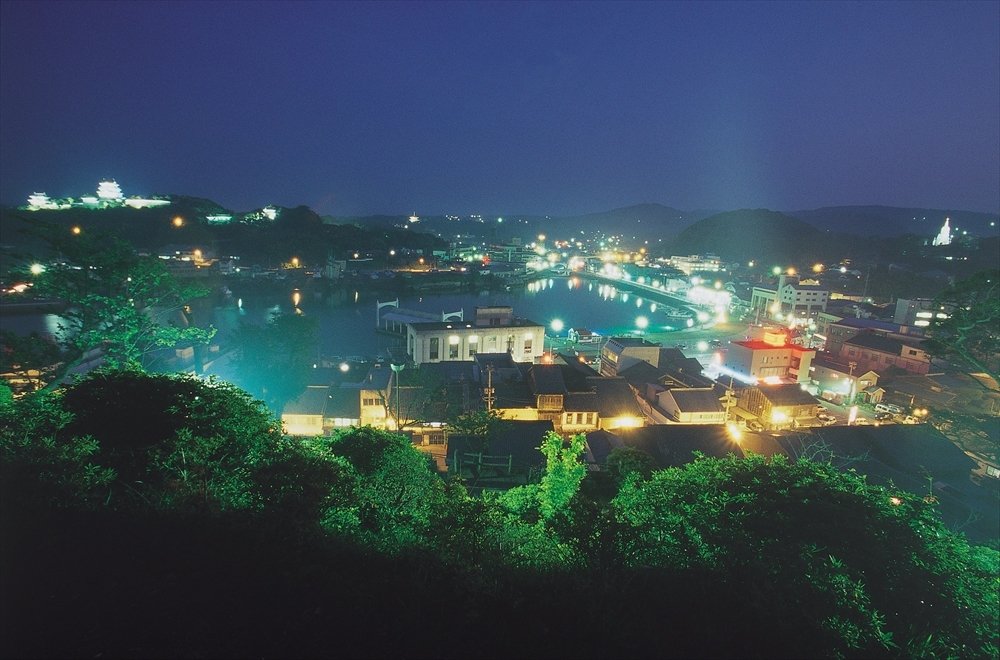
Established in 1688, Fukuda Brewery is one of the few sake breweries to inhabit Japan’s westernmost prefecture of Nagasaki. One of the first open ports in Japan, Hirado City, Nagasaki saw an influx of Dutch and Portuguese traders in the 16th century which naturally intertwined with the culture of Fukuda Brewery, leading to sakes that constantly take top prize in global sake challenges.
ABOUT HIRADO
Hirado’s city center sits just offshore from the mainland. Aside from its history as the first Dutch trading post, it’s also home to a reconstruction of one of the first Japanese castles to be reproduced in western writing (Hirado Castle) and a number of iconic churches, reflecting this land’s ties to early missionary activity when trade began. Hirado is also home to the Kasuga rice terraces, one of many famous terraced fields that dot the landscape of northwest Kyushu. Getting here can take some time, but we promise that a glass of the local sake with some of the fantastic fresh sashimi will make the trip worth it.
(Image courtesy of Hirado City CVB)
FUKUDA SHUZO • HIRADO, NAGASAKI
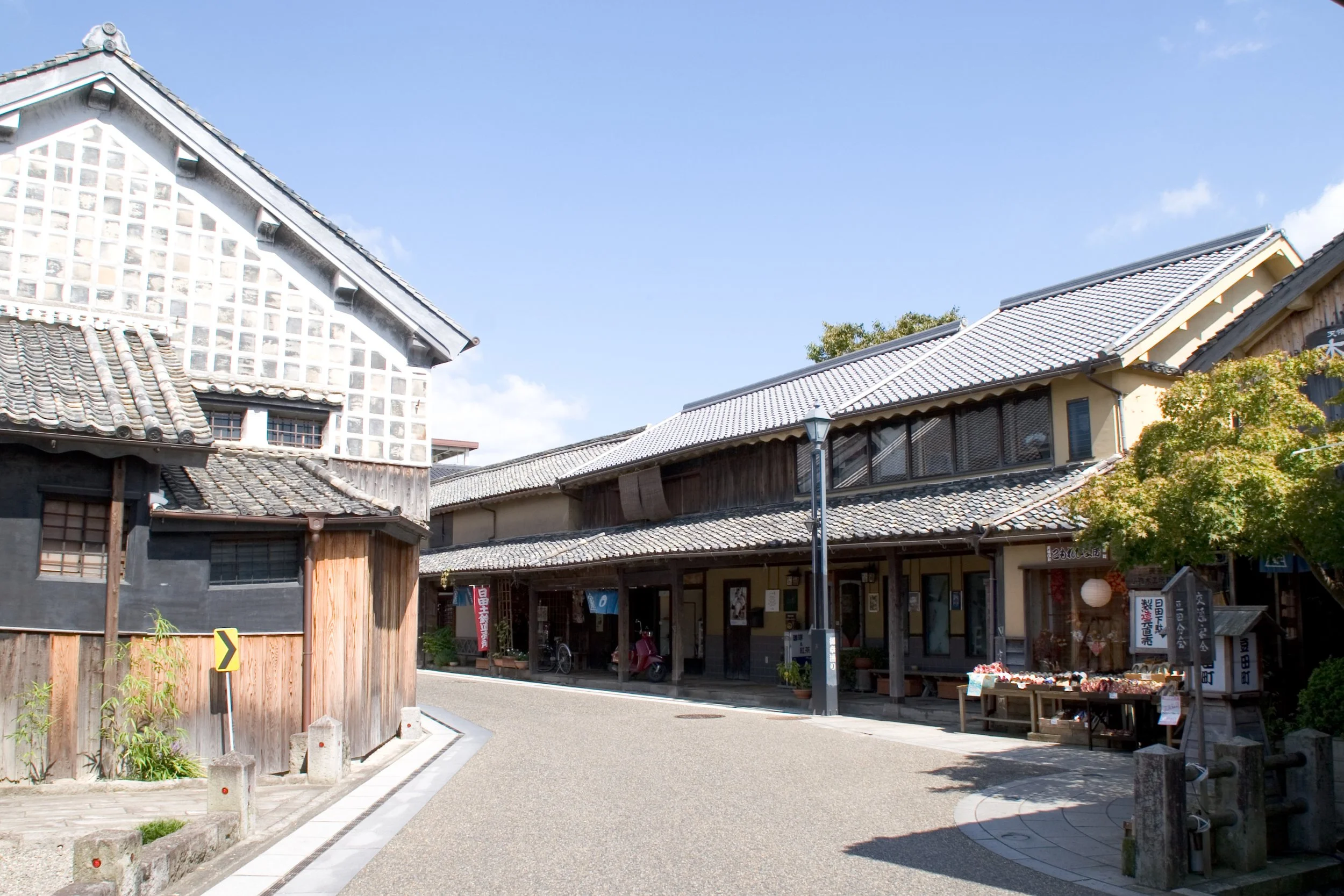
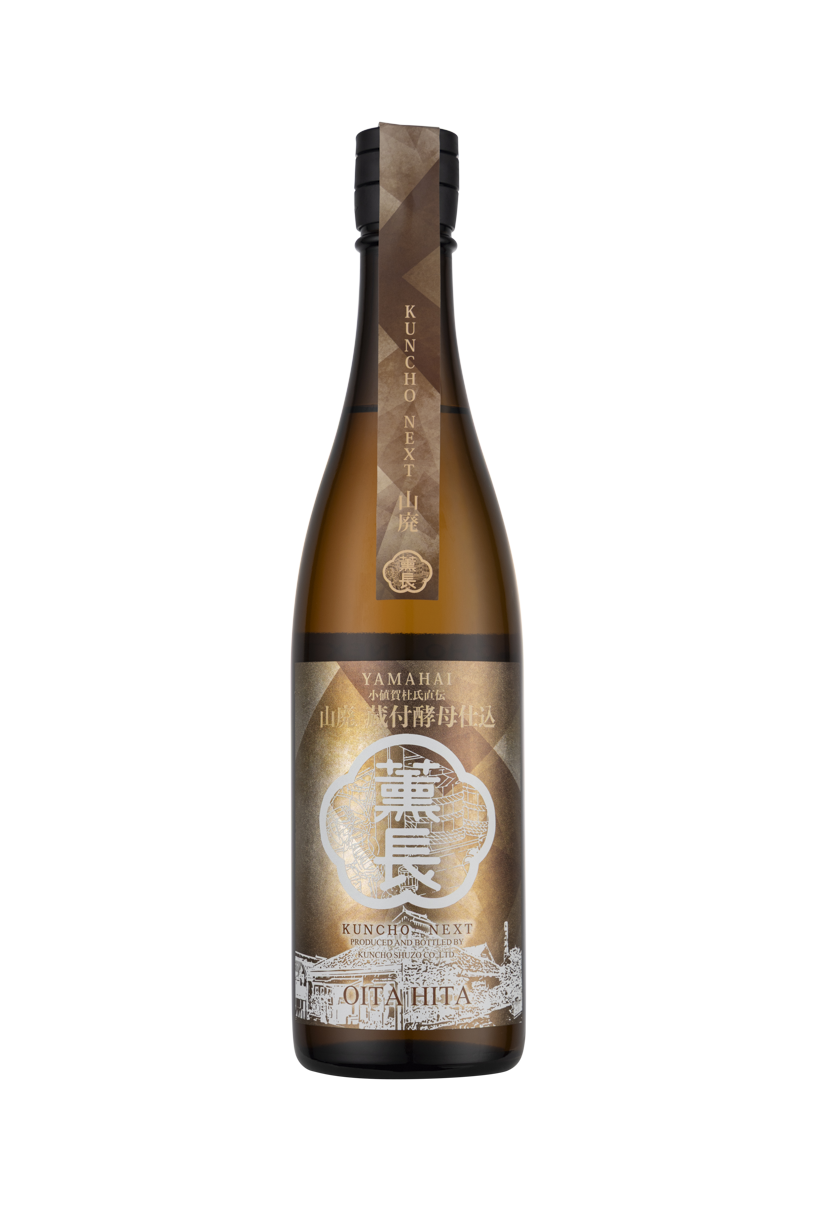
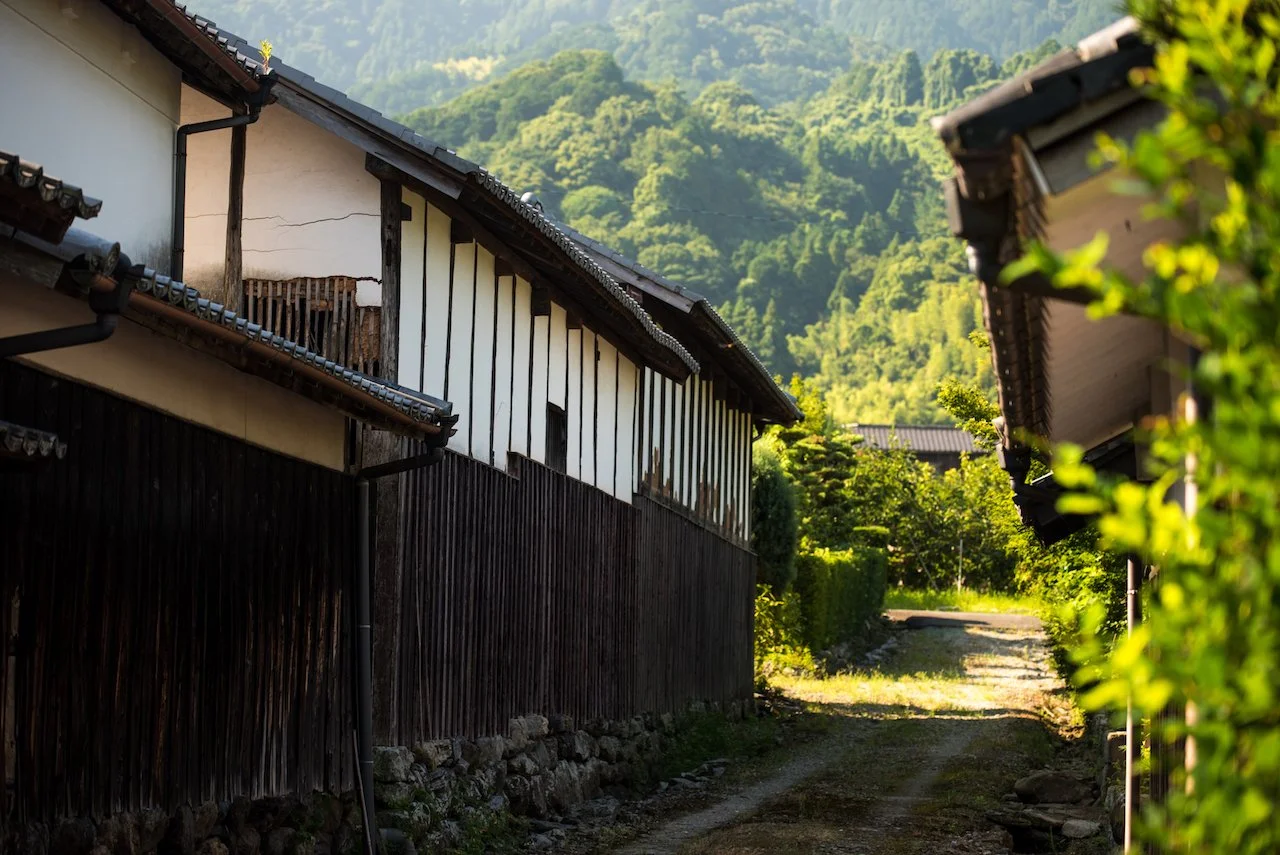
Founded by a family with close to 300 years in sake production, Kuncho Shuzo has been a part of Hita for nearly a century. Specializing in sake made with the traditional Yamahai method, the brewery takes immense pride in carrying on sake brewing techniques that can be lost in modern production. The result is a rich, complex line of sake that delivers a whole spectrum of flavor in each glass.
ABOUT HITA
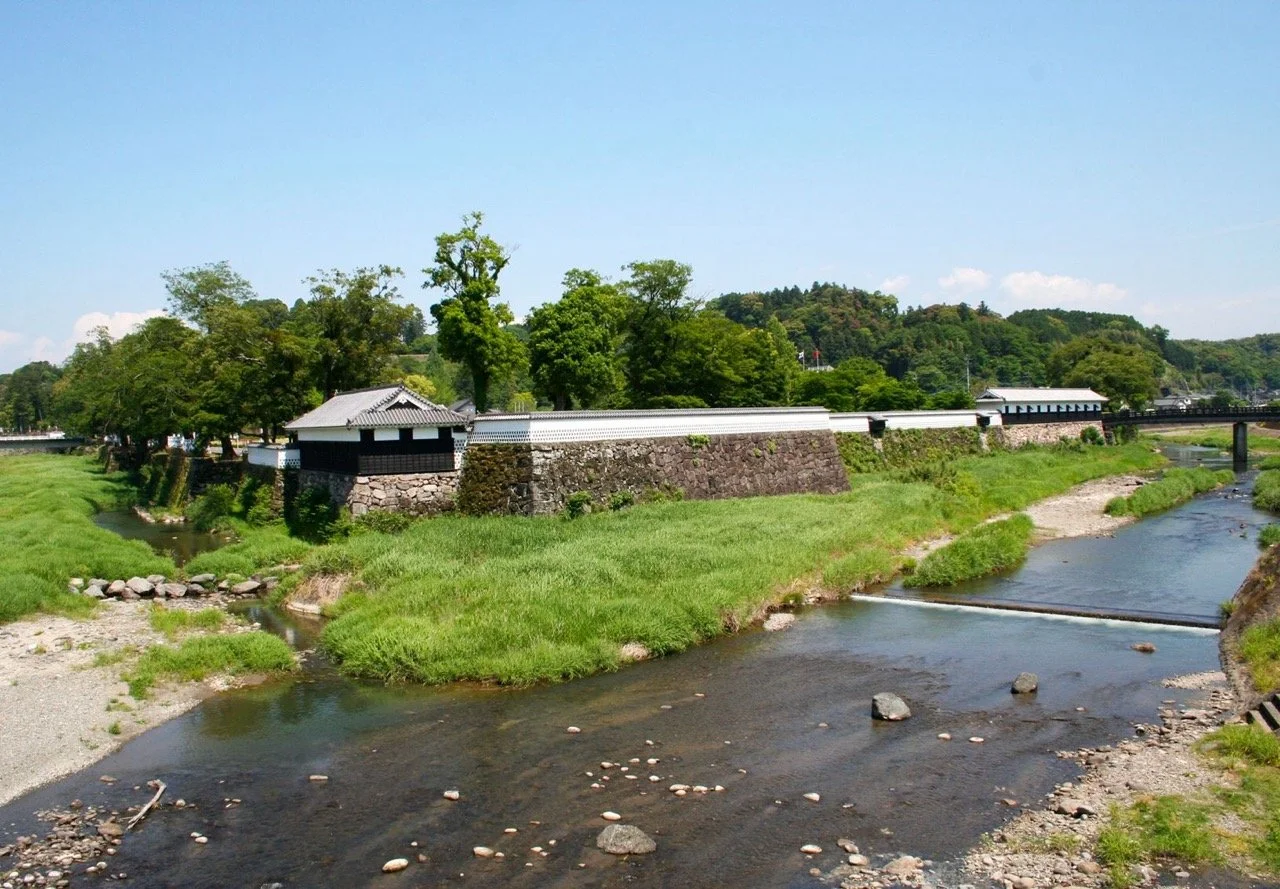
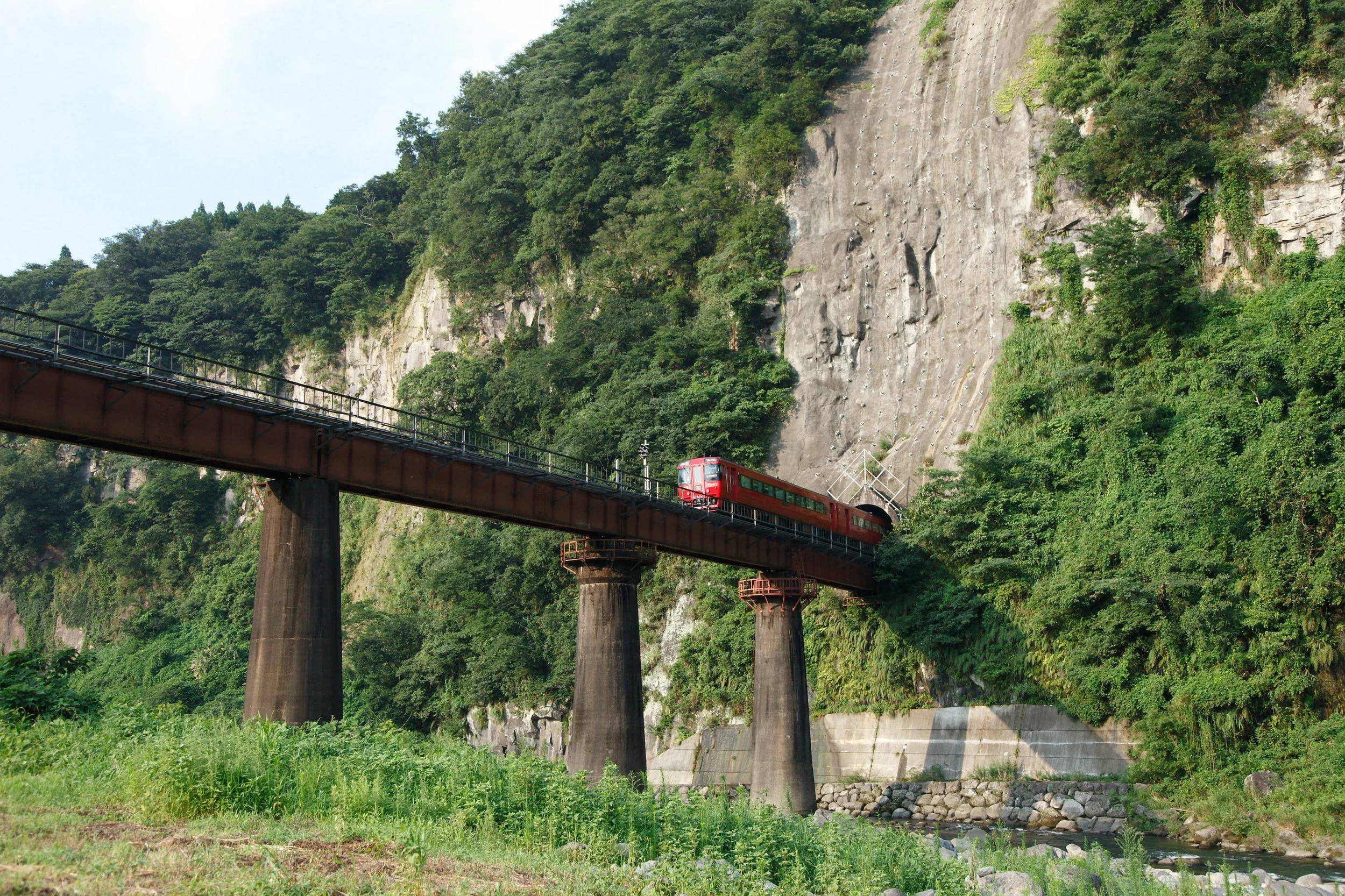
If you take the scenic train to Yufuin from Hakata, your first views of Oita as you sail through the mountains will be Hita, where a massive collection of meticulously maintained storehouses dating back centuries still welcomes visitors. This neighborhood, Mameda-machi, is home to Kuncho Shuzo, as well as a series of storehouses that have been converted into variety of shops, cafes, and other businesses by local residents. It’s a remarkably fun place to explore, or to unwind a bit after a trip to the nearby mountains or the Aso and Kuju mountains to the south.
(Image courtesy of Oita Pref. CVB)
KUNCHO SHUZO • HITA, OITA
HITOYOSHI RICE SHOCHU • HITOYOSHI, KUMAMOTO
Situated along the Kuma River, Hitoyoshi has one of the largest expanses of rice fields in southern Kyushu. As such, the region has traditionally produced its own kind of single distilled shochu, made with the local rice and water, known as “Kuma Shochu.” 27 distilleries remain in the city of Hitoyoshi, making it a major stop of interest for die-hard shochu fans. Only one brand is available in the USA: Hakutake Shiro.
ABOUT HITOYOSHI
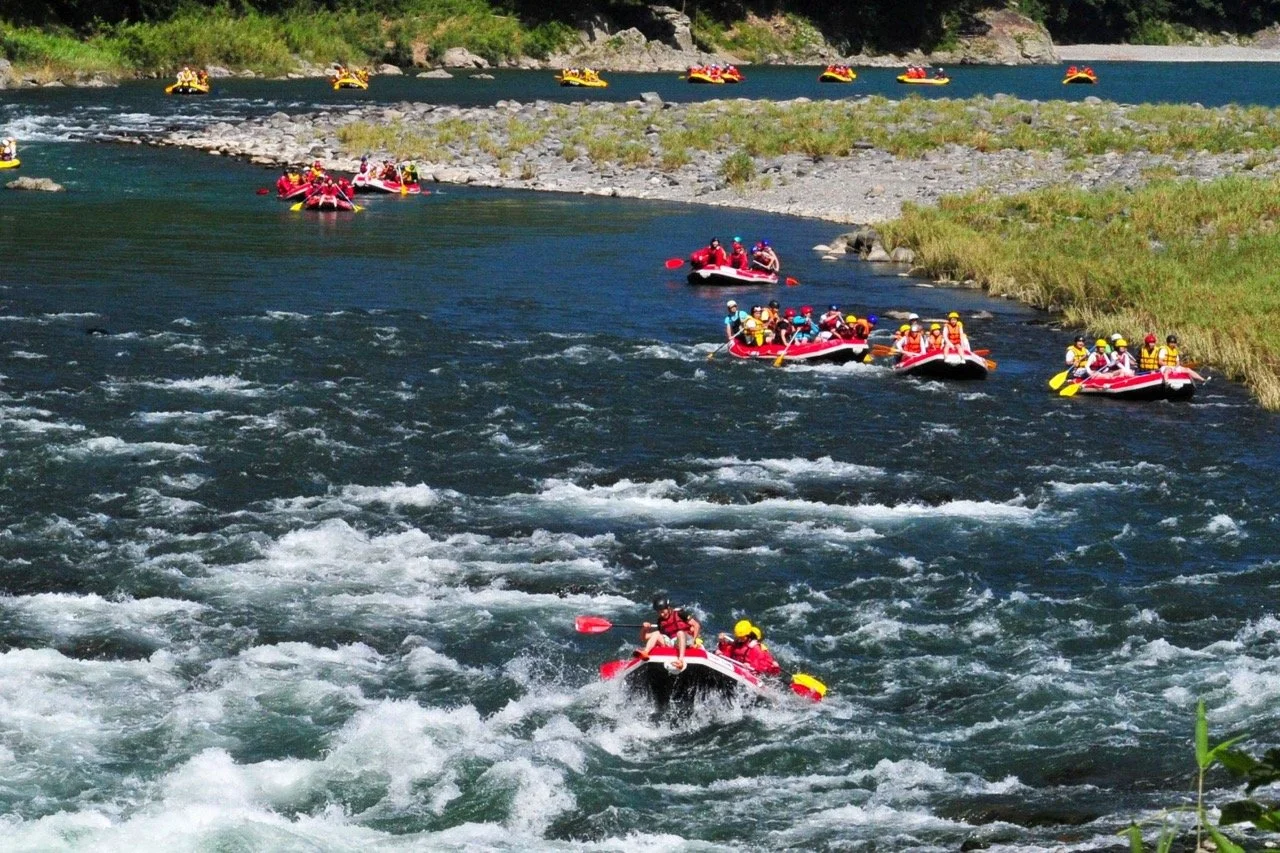
Part of Kyushu Explorer in 2027! The Kuma River does more than just make good shochu; it’s the center of this old castle town that many describe as the “Kyoto of Southern Kyushu.” Hitoyoshi’s castle ruins lie next to the river, which you can explore on a calm sightseeing boat, or a whitewater raft ride downstream. From the castle, visitors can swing by local distilleries and hot spring foot baths, or visit the Eikokuji Temple, aka the “Ghost Temple” for a ghostly tapestry it houses. North of the castle, visitors can check out the Kajiyamachi shopping quarter and the thatched roof of the Aoi Aso Shrine.
(Image courtesy of Kumamoto Pref. CVB)
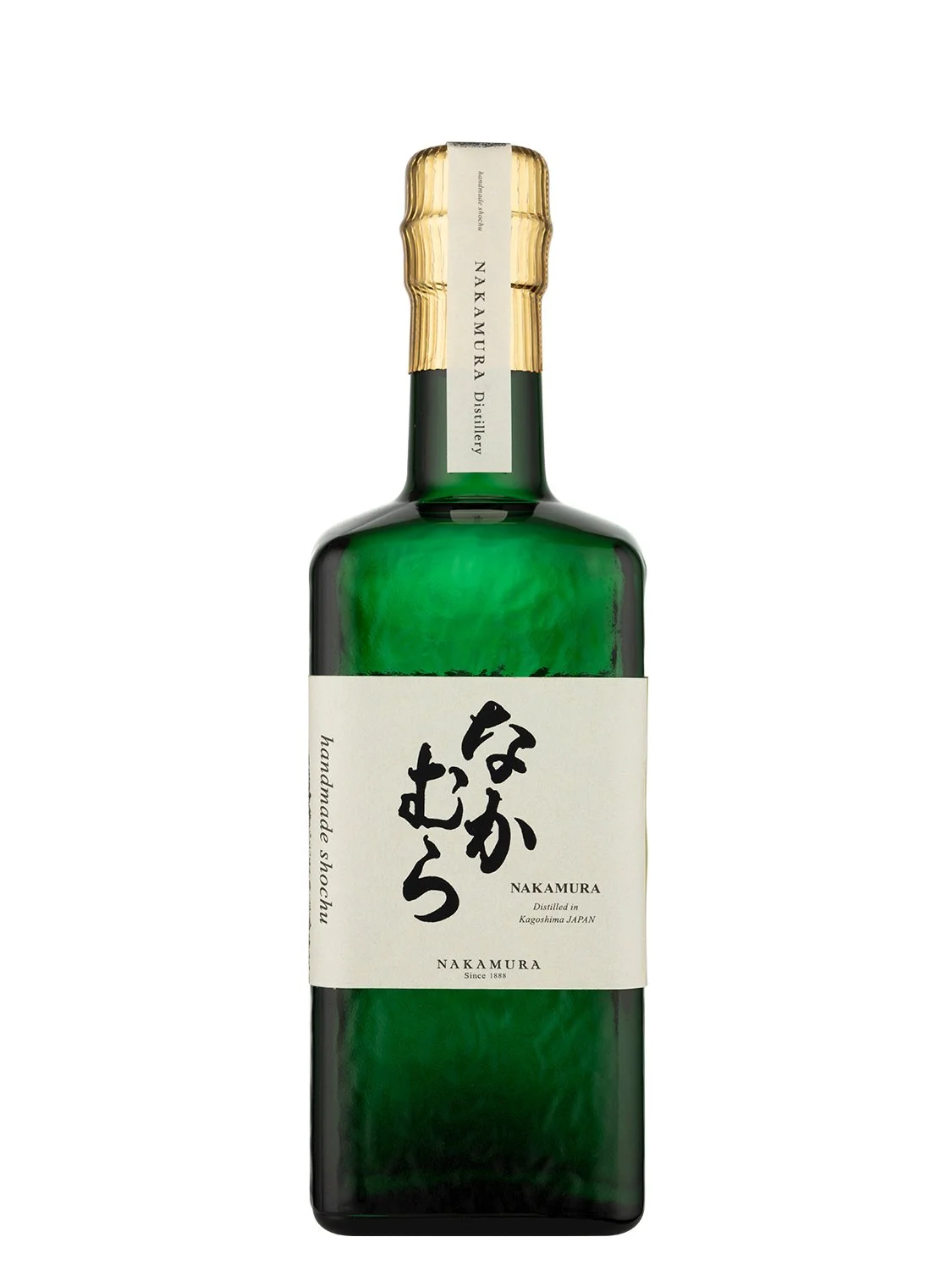
Located on the mineral rich plains near the base of the Kirishima volcano, Nakamura Distillery has been producing sweet potato shochu since the late 19th century. One of the few all handmade producers of shochu in Kagoshima Prefecture, Nakamura works to deepen perception of terrior in shochu by harvesting only the best sweet potato in the area and distilling by hand with water from nearby the nearby Kirishima mountain range.
ABOUT KIRISHIMA
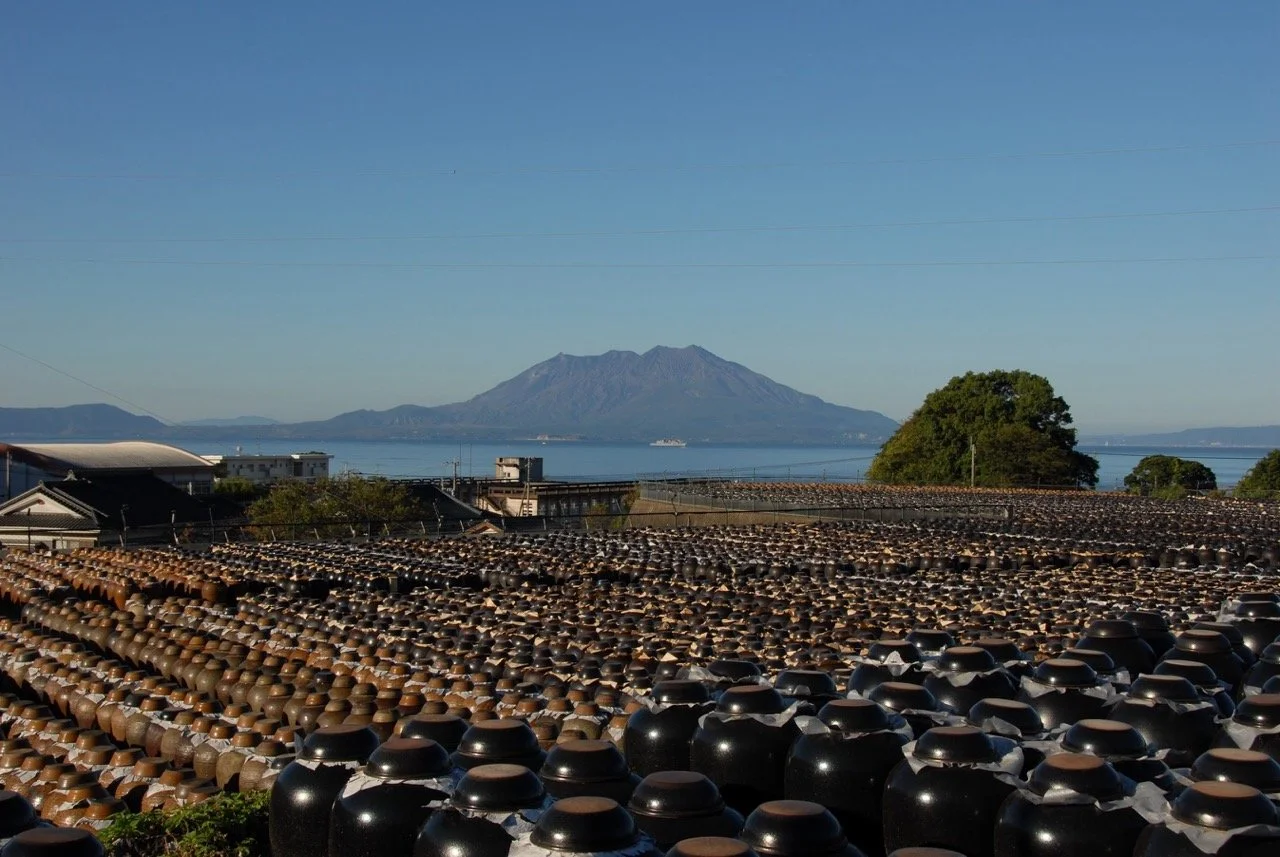
Part of Kyushu Explorer in 2027! There are few places that capture the spirit of southern Kyushu and Kagoshima more than Kirishima. Situated on the slope of some active (and some dormant) caldera mountains, Kirishima is home to a famous shrine with ties to Japanese folklore and an impossible-to-count number of hot spring (onsen) resorts. The area is home to Nakamura Distillery (which we’ll be visiting on the trip), breweries for black vinegar that is made in huge pots outdoors (see above), a replica of a Jomon-era village, and more – all overlooking the Sakurajima caldera across the bay.
(Image courtesy of Kagoshima Pref. CVB)
NAKAMURA • KIRISHIMA, KAGOSHIMA
BENIOTOME • KURUME, FUKUOKA
Beniotome Shuzo has been distilling quality liquor since 1977. They are pioneers of shochu distilled with sesame seeds (goma), of which they developed its first recipe in 1978. The Beniotome Distillery is located at the foot of Mt. Mina in northern Kyushu. Its location is fortunate enough to be bestowed by very fertile soil and excellent local water. The distillery is best known for their sesame shochu, for which they are nationally recognized.
ABOUT KURUME
Kurume is best known as a small city south of Fukuoka City, and its busiest areas lie in the center city with its shopping arcades and restaurants. However, the city’s border stretches east into the mountains, where much of the farmland is considered some of the richest in the land. Hikers and explorers can often be seen around the secluded, mossy Waniguchi Park or the popular Tsutsuji Forest Park. Closer to the city area lies Naritasan Kurume Ben-in, a massive buddhist temple with a huge Kannon Goddess statue that towers over the area.
(Image courtesy of Kurume City CVB)
KAGURA SHUZO • TAKACHIHO, MIYAZAKI
(Not imported yet) - Back when Japan’s national railway was trying to connect Takachiho with Takamori and the Mt. Aso area to the north west, they began a tunnel that sadly never got finished. Takamori turned their side of the tunnel into a weird art museum, but on the Takachiho side, local shochu maker Kagura Shuzo turned the murky temps of the tunnel into something that fit it: barrel storage for their shochu and other liquors they produce. Definitely worth a look if you’re in the area. Hey, about that...
ABOUT TAKACHIHO
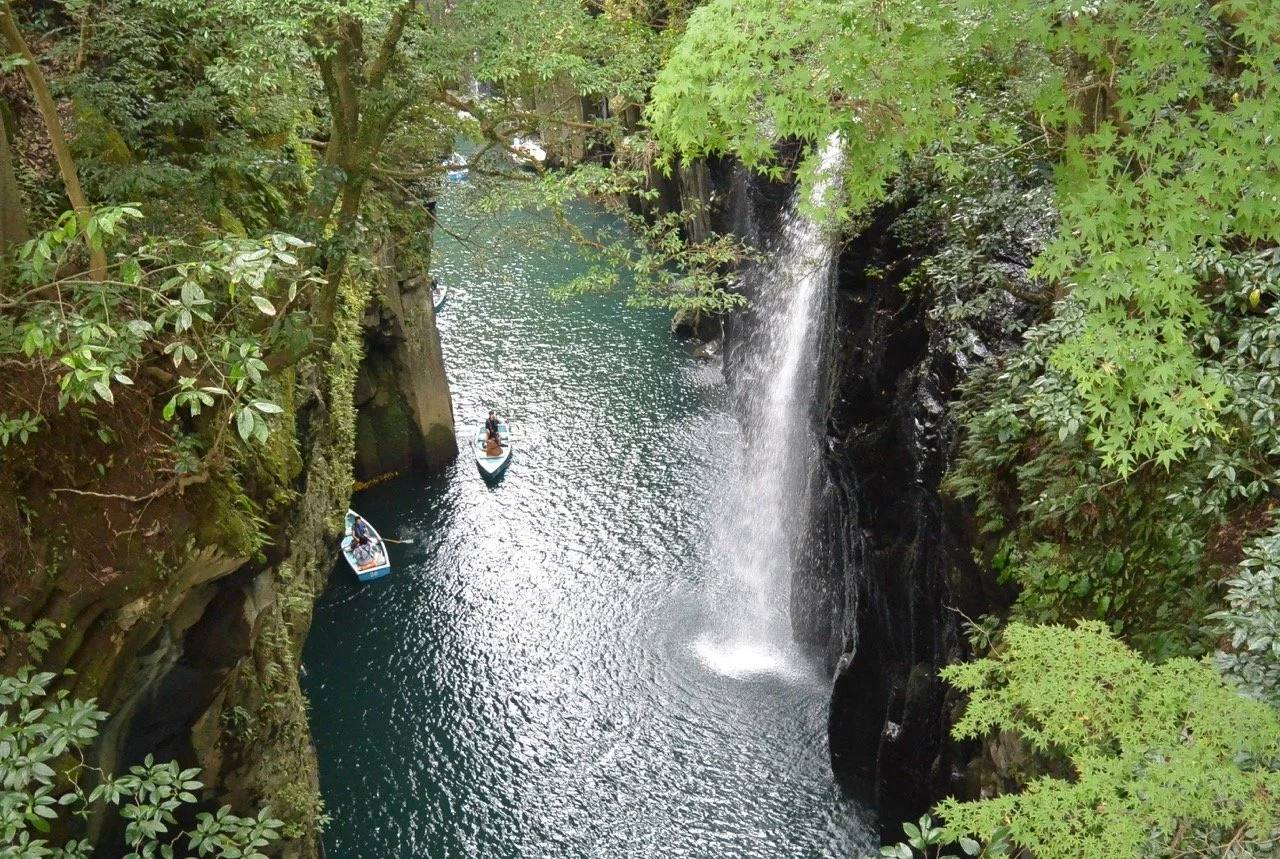
Part of Kyushu Explorer in 2027! There are few places with stronger connections to Japanese folklore and nature than Takachiho. This is the spot where the goddess Amaterasu hid her light from the world (rude), and the locals still perform a dance festival each year (with nightly performances for visitors) that supposedly mirrors the things the other gods did to lure her out. Aside from folklore, ancient lava floes from nearby Mt. Aso have eroded into gorges over time, one of which you can paddle through while gazing up at the waterfalls that feed the river. Can’t do that in Tokyo, can ya?
AZUMATSURU • Taku, Saga
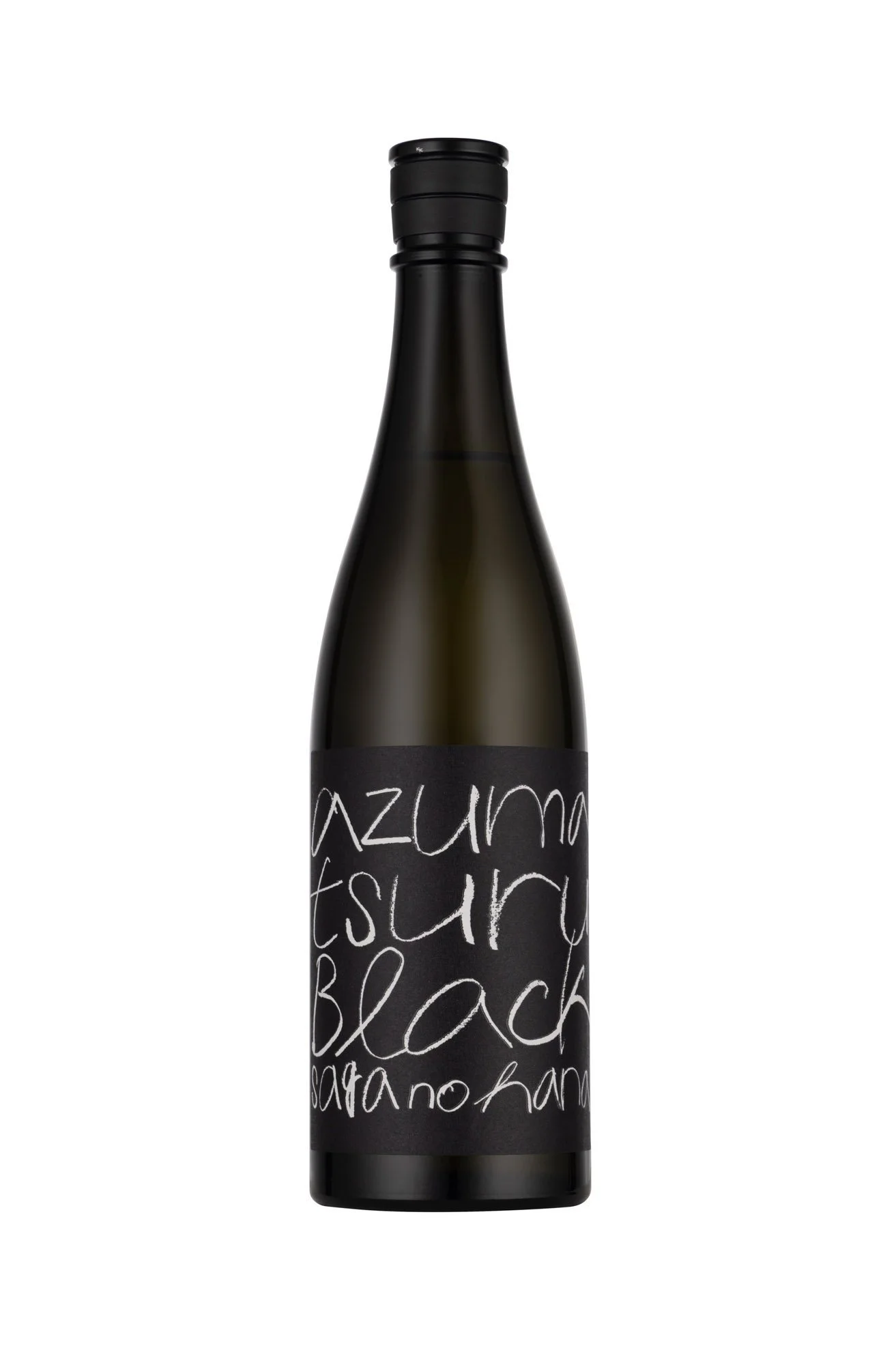
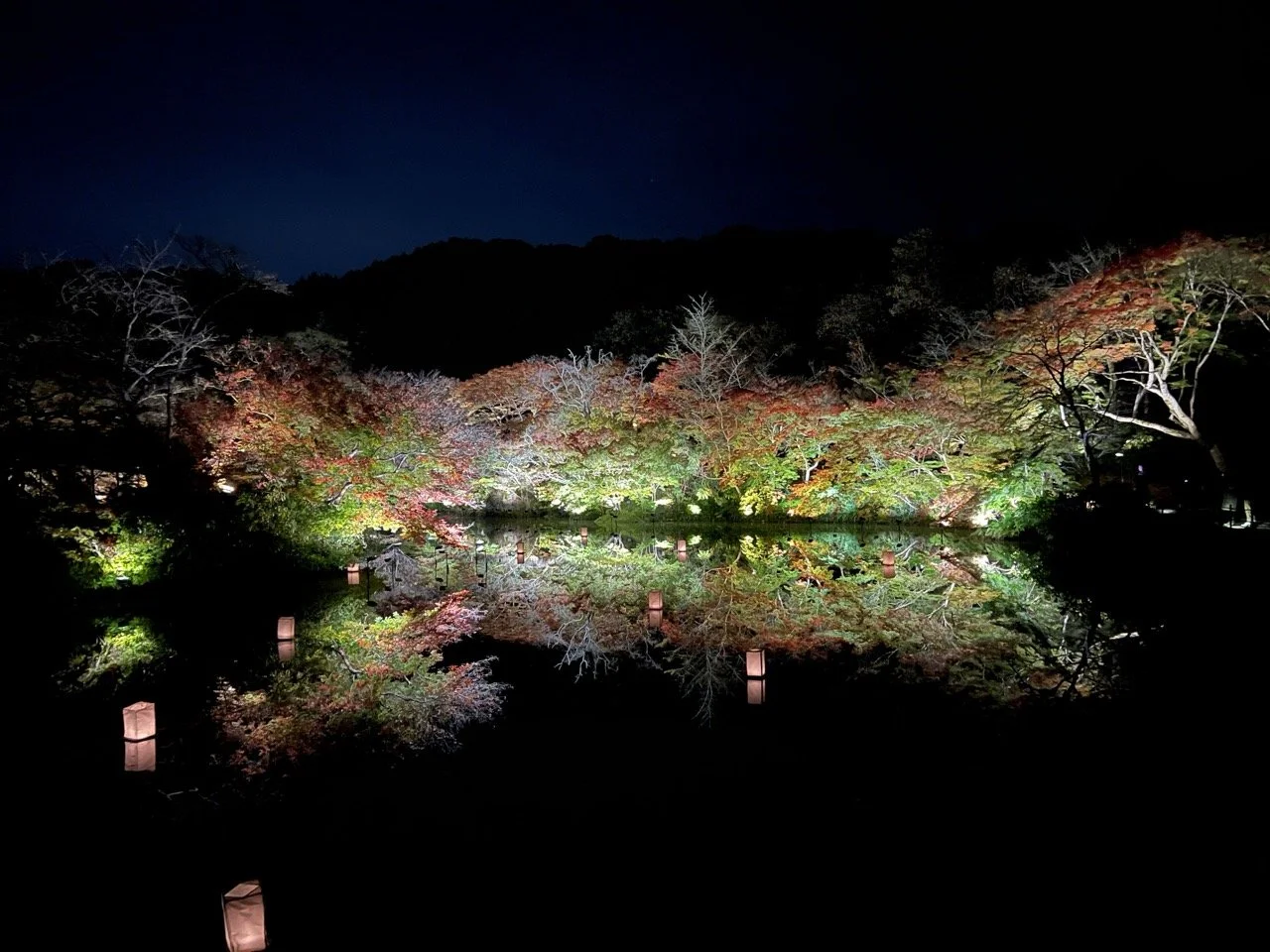
Founded in the late Edo period (around 1830), Azumatsuru has a long tradition rooted in craftsmanship and regional identity. After suspending operations in 1989, the brewery was revived in 2009 when the owner assumed the role of toji (master brewer), bringing renewed vision while honoring its heritage. Sake is brewed using soft spring water from the Taku mountains, alongside carefully selected local rice. Azumatsuru employs both traditional methods and modern tools, maintaining a hands-on, small-batch approach to ensure quality. The brewery places strong emphasis on family continuity and preserving its legacy across generations.
ABOUT TAKU/TAKEO ONSEN
Taku is situated just north of Takeo Onsen, which will be part of Kyushu Explorer in 2027. Taku was formed through a combination of small farming villages in 1954, and the mood here remains the same; it’s a mountainous farm town that produces some of the region’s best rice (“Taku Hinohikari”), sake, local varieties of mikan oranges and biwa (apricot), and more. The region is home to a number of famous pottery kilns and gorgeous gardens, which make it a fantastic spot to go if you’d like to get some fancy wares to keep your sake in.
SANWA SHURUI • USA, OITA
Sanwa (三= three, 和= peace/harmony) was formed out of the merger of three Usa-based brewers and distilleries in the 1950s. For most people, Sanwa is one of the first companies they encounter in the world of shochu. As the makers of the market-leading Iichiko, Sanwa’s shochu can be found almost anywhere. The company is credited for popularizing the single distilled “Honkaku Shochu” when Iichiko Barley (Mugi) Shochu debuted in 1979, but they still make other products in keeping with their history to this day.
ABOUT USA
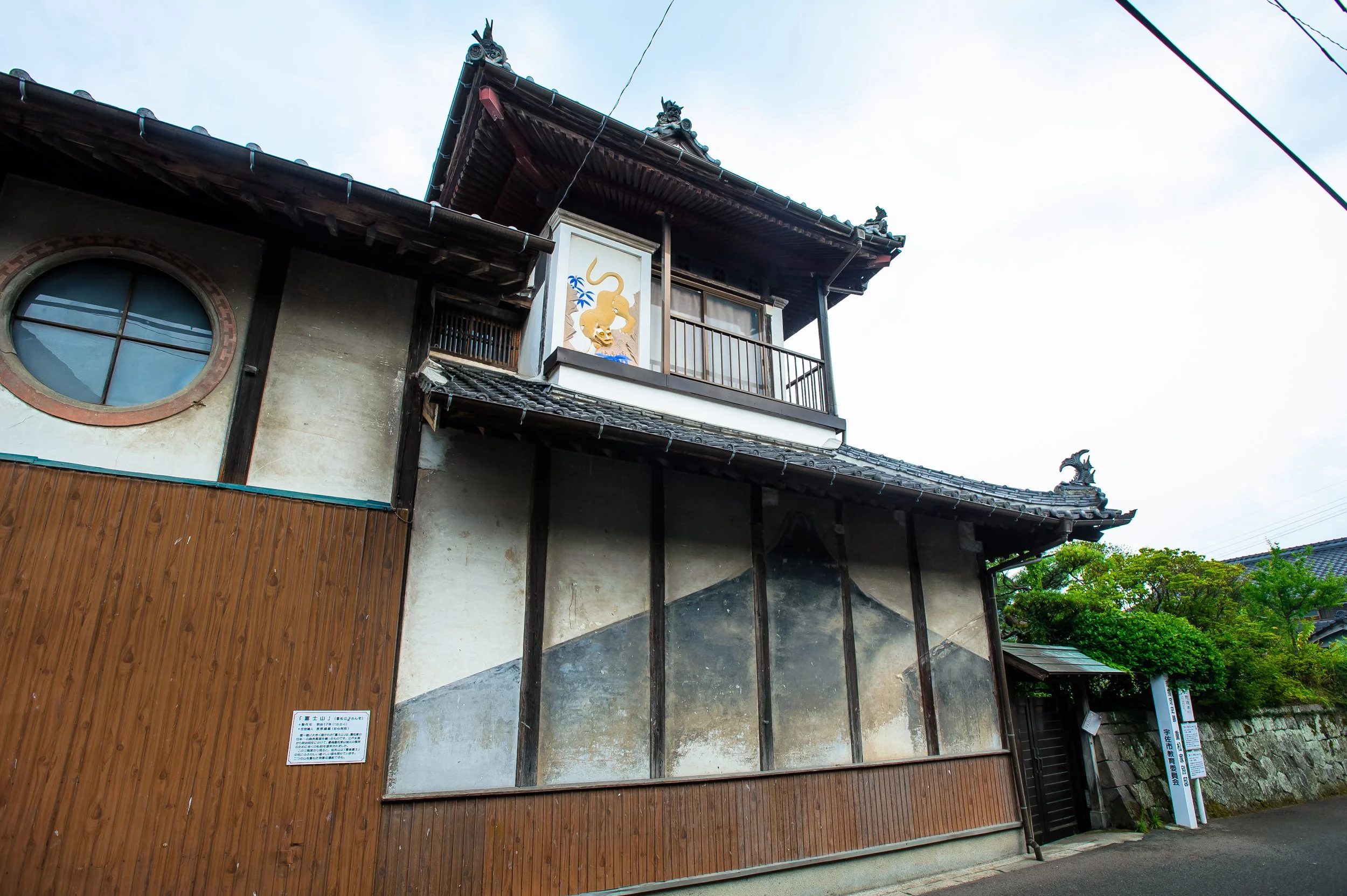
A combination of country towns that became a single city, Usa straddles the border of what was the Bungo and Buzen Provinces until the Meiji Restoration. Home to the famous Usa Shrine that helped foster local religious traditions, the city’s southern end is anchored by the Yokkaichi Area, where Sanwa Shurui serves as one of the biggest drivers of the local economy. To the north is Nagasu Port Town, which a number of local sake breweries call home. In recent years, the city has received a lot of attention for local shops specializing in their own take on fried chicken. And yes, Sake with fried chicken IS a good idea. :)
(Image courtesy of Oita Pref. CVB)
YATSUSHIKA SHUZO • YUFU/KOKONOE, OITA
Founded in 1864, Yatsushika produces both sake and shochu in the mountains of Oita Prefecture. Internationally, they are best known for their Ginza no Suzume shochu, which is aged in oak whiskey bourbon barrels to impart a mellow flavor that showcases how much depth of flavor can exist in the world of shochu. Yatsushika also produced some of Japan’s first fruit liquor with local Kabosu citrus, an ingredient ubiquitous across Oita Prefecture.
ABOUT YUFU/YUFUIN
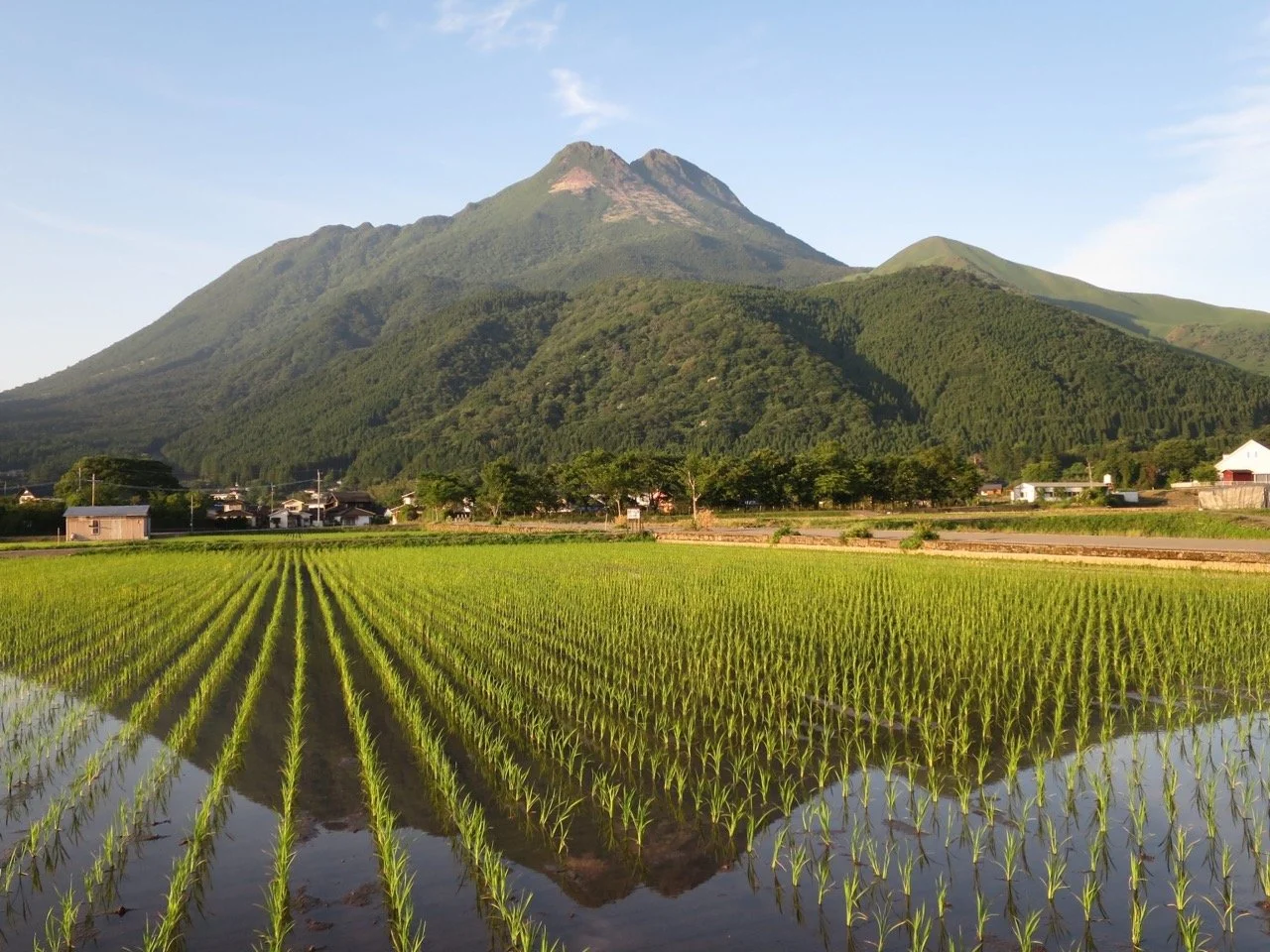
Part of Kyushu Explorer in 2027! Sitting among the mountains west of Oita City and the busy hot spring town of Beppu, Kokonoe and Yufu are reknowned for their beauty, their natural gifts, and their laid back way of life. The touristy town of Yufuin is the main draw here, with its avenues of shops leading to the foot of Mt. Yufu by Lake Kinrin. Many visitors opt for a night or two at a hot spring ryokan in Yufuin, but you can also head to the countryside to learn rice planting, craft with locals, or hike through the woods to raft through the picturesque gorges among the mountains. Our idea? Do both. You’ve earned it.
(Image courtesy of Oita Pref. CVB)